Dentist Cleaning Near Me: How to Find the Right Dental Office
Dentist Cleaning Near Me: How to Find the Right Dental Office
Searching for “dentist cleaning near me” is a great first step toward keeping your teeth and gums healthy. A professional dental cleaning removes plaque and hardened tartar that regular brushing and flossing may not reach. It also gives a dental professional a chance to check your mouth for early signs of tooth decay, gum disease, and other concerns.
Finding a nearby office is only part of the decision. Consider the services offered, appointment availability, insurance and payment options, and whether the practice feels comfortable for you.
What Happens During a Dental Cleaning?
A routine cleaning usually includes several steps, though the exact process depends on your oral health and the dental office:
- Oral health review: The dental team may ask about your health history, medications, and any changes or concerns.
- Examination: A dentist or hygienist checks your teeth and gums. X-rays may be recommended when appropriate.
- Plaque and tartar removal: Dental instruments are used to clean buildup from the teeth, including along the gumline.
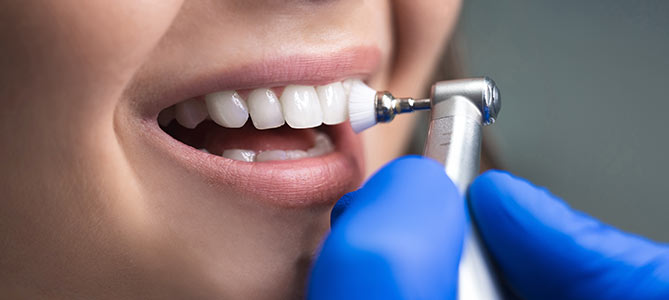
- Polishing: The teeth may be polished to remove surface stains and leave them feeling smooth.
- Flossing and guidance: The appointment may finish with flossing and personalized advice for brushing and caring for your teeth at home.
Many patients have cleanings as part of a preventive checkup. The recommended schedule varies. Some people benefit from visits about every six months, while others may need appointments more or less often based on their oral health and their dentist’s advice.
Routine Cleaning or Deep Cleaning?
A routine cleaning is intended to maintain oral health when the gums and supporting structures are generally healthy. A deep cleaning, sometimes called scaling and root planing, may be recommended when there are signs of gum disease. It involves cleaning below the gumline and smoothing the tooth roots to help manage buildup and inflammation.
These services are not interchangeable. If a dental office recommends a deep cleaning, ask what findings led to the recommendation, what the treatment involves, and what it is expected to cost.
How to Find a Dentist Cleaning Near You
Use these steps to narrow your options:
- Search by location: Look for dental offices near your home, workplace, or another convenient area. Check the office’s address and hours before booking.
- Confirm services: Make sure the practice offers preventive cleanings and ask whether it accepts new patients.
- Check credentials: Verify that the dentist is licensed in your state. Your state dental board can provide information about licensure.
- Read reviews thoughtfully: Patient reviews may offer insight into communication, scheduling, and the office experience. Look for consistent patterns rather than relying on a single review.
- Ask about accessibility: If you have mobility, language, sensory, or anxiety-related needs, contact the office to ask what accommodations are available.
- Compare convenience: Consider appointment times, parking or transit access, reminders, and how the office handles urgent concerns.
Questions to Ask Before Booking
A quick call can help you understand what to expect. Consider asking:
- Are you accepting new patients?
- Does the appointment include a dental exam, or is the cleaning scheduled separately?
- Do you accept my dental insurance plan?
- What might I pay out of pocket?
- Can you provide an estimate before recommending additional treatment?
- What should I bring to my first visit?
Insurance coverage, fees, and appointment procedures vary by plan and dental office. Contact both the practice and your insurance provider to confirm coverage and expected costs.
When to Schedule a Dental Visit
Do not wait for your next routine cleaning if you have persistent tooth pain, swollen or bleeding gums, a broken tooth, or another new concern. Contact a dental professional for guidance. Severe swelling, trouble breathing or swallowing, or significant facial injury may require urgent medical attention.
Make Your Next Cleaning Easier
To help your appointment go smoothly, bring your insurance information, a list of medications, and details about any health conditions or dental concerns. Let the dental team know if you feel anxious or have experienced discomfort during past cleanings. They can explain the steps and discuss ways to make the visit more manageable.
When searching for a “dentist cleaning near me,” prioritize a qualified dental professional, clear communication, and an office that fits your needs. Regular preventive care, combined with brushing twice a day and cleaning between your teeth daily, can support a healthier smile.
Discover the Benefits of Local Dental Cleanings: Healthier Smile, Fresher Breath, and More
- Removes plaque and tartar buildup.
- Helps prevent cavities and gum disease.
- Supports fresher breath.
- Lets dental professionals spot issues early.
- Offers personalized oral-care advice.
- Makes routine dental care convenient.
- Helps keep your smile healthy.
5 Drawbacks of Local Dental Cleanings You Should Know
- Costs may vary between dental offices.
- Insurance coverage may be limited.
- Nearby appointments can book up quickly.
- Some cleanings may cause temporary sensitivity.
- A deep cleaning may cost more than a routine cleaning.
Removes plaque and tartar buildup.
A professional dental cleaning removes plaque and tartar buildup that brushing and flossing may miss, especially along the gumline and between teeth. Clearing away these deposits helps keep teeth cleaner and can reduce the risk of cavities and gum disease. A nearby dentist also makes it easier to schedule regular cleanings and stay on track with preventive care.
Helps prevent cavities and gum disease.
A professional dental cleaning near you can help prevent cavities and gum disease by removing plaque and tartar that brushing and flossing may miss. During the visit, a dental professional can also spot early signs of tooth decay or gum problems, so you can address them before they become more serious. Regular cleanings, along with good daily oral care, help keep your teeth and gums healthy.
Supports fresher breath.
A professional dental cleaning can help support fresher breath by removing plaque, tartar, and food debris that may contribute to unpleasant odors. Your dental team can also check for issues such as gum inflammation that may affect breath. Regular cleanings, along with daily brushing and flossing, help keep your mouth feeling clean and fresh.
Lets dental professionals spot issues early.
One major benefit of getting a dental cleaning near you is that it gives dental professionals a chance to spot potential problems early. During your visit, the dentist or hygienist can check for signs of tooth decay, gum disease, and other changes in your mouth. Catching concerns sooner may make it easier to address them before they become more serious, helping you protect your oral health and plan any needed care.
Offers personalized oral-care advice.
A dentist cleaning near you offers more than a fresher smile—it’s also a chance to get oral-care advice tailored to your needs. Your dental team can point out areas that may need extra attention, recommend brushing and flossing techniques, and suggest products suited to your teeth and gums. With practical guidance based on your oral health, you can feel more confident caring for your smile between visits.
Makes routine dental care convenient.
Choosing a dentist nearby makes routine dental care more convenient. A shorter trip can make it easier to fit cleanings into a busy schedule, keep regular appointments, and arrive on time. Having a local dental office may also help you get care sooner when you have a concern, making it simpler to stay on top of your oral health.
Helps keep your smile healthy.
A dentist cleaning near you helps keep your smile healthy by removing plaque and tartar that brushing and flossing can miss. During your visit, the dental team can also check for early signs of cavities or gum problems and offer tips tailored to your needs. With convenient access to preventive care, it may be easier to stay on schedule and protect your teeth and gums over time.
Costs may vary between dental offices.
The cost of a dental cleaning can vary from one office to another, depending on your location, the services included, and whether you need additional care, such as X-rays or a deeper cleaning. Insurance coverage and in-network status can also affect what you pay out of pocket. Before booking, ask the dental office for an estimate and confirm your benefits with your insurance provider to avoid unexpected costs.
Insurance coverage may be limited.
Insurance coverage for a dental cleaning may be limited by your plan’s rules, including how often preventive visits are covered, which providers are in network, and whether an exam or X-rays are billed separately. Before booking, contact your insurer and the dental office to confirm your benefits and ask about any out-of-pocket costs.
Nearby appointments can book up quickly.
One drawback of searching for a dentist cleaning near you is that convenient appointment times can book up quickly, especially at popular offices or during busy seasons. You may need to wait longer than expected or choose a less convenient time or location. Calling ahead, asking about cancellations, and checking whether the office offers a waitlist can help you find an earlier opening.
Some cleanings may cause temporary sensitivity.
Some people experience temporary tooth sensitivity after a dental cleaning, especially if they have gum recession, exposed tooth roots, or significant plaque and tartar buildup. Teeth may feel more sensitive to hot, cold, or sweet foods and drinks for a short time, but the discomfort often settles on its own. Let your dental professional know if sensitivity is severe, persists, or worsens so they can recommend appropriate care.
A deep cleaning may cost more than a routine cleaning.
A deep cleaning may cost more than a routine cleaning because it involves removing plaque and tartar from below the gumline, often across multiple areas of the mouth. The final price can vary based on how much treatment is needed, your dentist’s fees, and your insurance coverage. Before scheduling, ask the dental office to explain why a deep cleaning is recommended, provide a cost estimate, and check with your insurance provider about coverage.