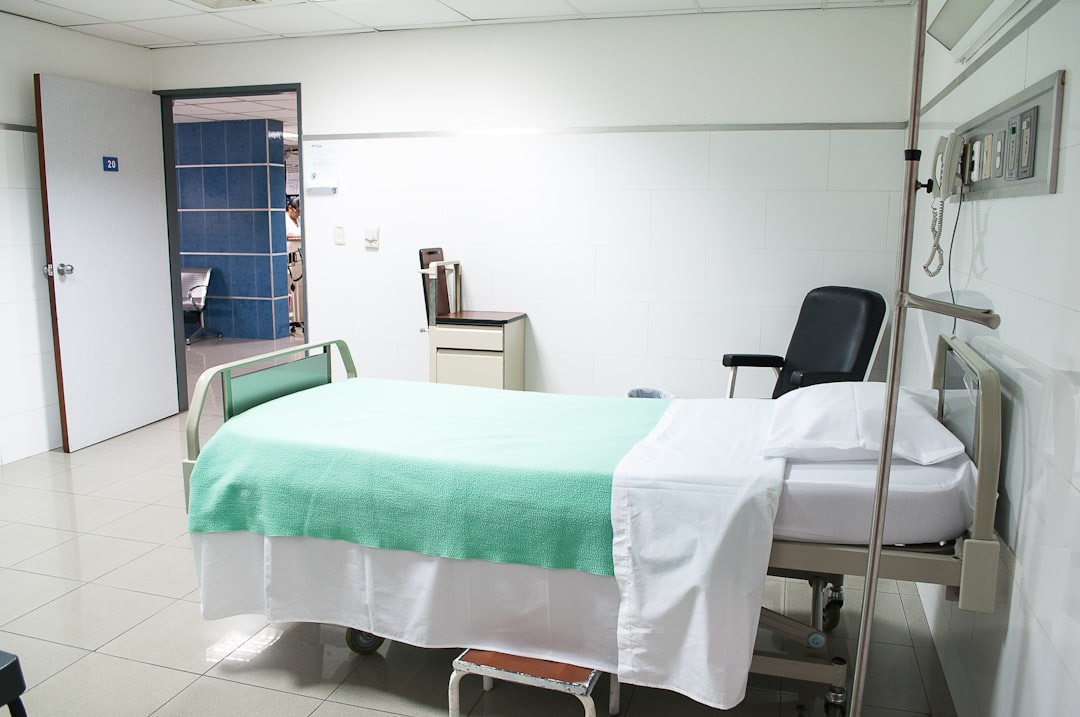
Inpatient Care: What to Expect During a Hospital Stay
Inpatient Care: What to Expect During a Hospital Stay
Inpatient care is medical treatment that requires a patient to be formally admitted to a hospital or another healthcare facility and stay for at least one night. The stay may last longer depending on the patient’s condition, treatment plan, and recovery. Inpatient care can be needed for a planned procedure, a serious illness or injury, or close monitoring that cannot be provided safely in an outpatient setting.
How Inpatient Care Differs From Outpatient Care
Outpatient care includes appointments, tests, and procedures that do not require an overnight hospital stay. Inpatient care involves a hospital admission, ongoing supervision, and access to services such as nursing care, diagnostic testing, surgery, and medication management. Some procedures may be offered on either an inpatient or outpatient basis, depending on the patient’s health and the care required.
Common Reasons for Hospital Admission
A healthcare professional may recommend inpatient care when a patient needs continuous observation or treatment. Common reasons include:
- Major surgery or recovery after a procedure
- Serious infections or sudden worsening of a health condition
- Heart, breathing, or other urgent medical problems
- Significant injuries that require treatment and monitoring
- Care that involves complex medication, testing, or rehabilitation
- Medical evaluation when a patient’s condition is not yet clear
What Happens During an Inpatient Stay?
After admission, the care team assesses the patient’s health, reviews relevant medical history, and develops a treatment plan. Depending on the situation, the team may include physicians, nurses, pharmacists, therapists, social workers, and other specialists. Patients may receive medications, tests, procedures, therapy, or help with daily activities.
Hospital staff monitor changes in the patient’s condition and adjust the plan as needed. Patients and family members can ask questions, share concerns, and discuss treatment preferences with the care team. It can be helpful to keep a list of medications, allergies, symptoms, and questions to make conversations easier.
Preparing for a Planned Admission
For a scheduled hospital stay, follow the instructions provided by the healthcare team. These may explain when to stop eating or drinking, which medications to take, and when to arrive. Patients may also want to bring identification, insurance information, a medication list, and essential personal items. Hospitals often recommend leaving valuables at home.
Before admission, ask who to contact with questions, what the expected length of stay may be, and whether any arrangements are needed for transportation, caregiving, or time away from work. The actual length of a stay can change based on medical needs and recovery.
Understanding Costs and Coverage
The cost of inpatient care depends on factors such as the hospital, length of stay, treatment, and insurance coverage. Before a planned admission, contact the insurance provider and hospital to ask about coverage, prior authorization, deductibles, copayments, and which clinicians or services are included. Emergency care may follow different processes, so patients can ask the hospital’s billing team for help understanding their options.
Discharge and Recovery
Leaving the hospital is known as discharge. The care team typically reviews the patient’s condition and determines whether hospital-level care is still needed. Before going home or to another care setting, patients should receive instructions about medications, follow-up appointments, activity, wound care, warning signs, and whom to contact with concerns.
Discharge planning may also involve arranging home health services, rehabilitation, medical equipment, or transportation. Patients should make sure they understand the instructions and know what to do if symptoms worsen or new problems arise.
How Patients Can Take Part in Their Care
Patients can support clear communication by asking questions, sharing accurate information, and speaking up if something is confusing. Useful questions include:
- What is the purpose of this test, medication, or procedure?
- What changes should be reported to the care team?
- What needs to happen before discharge?
- Who should be contacted after leaving the hospital?
Inpatient care provides hospital-based treatment and monitoring when a person needs more support than outpatient services can provide. The details vary from one patient to another, so the healthcare team is the best source for advice about a specific admission and care plan.
Understanding Inpatient Care: Answers to 7 Common Questions
- What does inpatient care mean?
- How is inpatient care different from outpatient care?
- What conditions or procedures require an inpatient hospital stay?
- How long does an inpatient hospital stay usually last?
- What should I bring when I’m admitted to the hospital?
- Does health insurance cover inpatient care?
- What happens when I’m discharged from inpatient care?
What does inpatient care mean?
Inpatient care means medical treatment provided after a patient is formally admitted to a hospital or other healthcare facility, usually for at least one overnight stay. It may include continuous monitoring, tests, medications, surgery, or other services that require hospital-based care. The type and length of stay depend on the patient’s condition and treatment needs.
How is inpatient care different from outpatient care?
Inpatient care means you’re formally admitted to a hospital or other healthcare facility, usually for at least one overnight stay, so your care team can provide ongoing treatment and monitoring. Outpatient care includes appointments, tests, and procedures that don’t require a hospital admission, and you typically go home the same day. The right setting depends on the treatment you need and your health, so your healthcare provider can explain which option is appropriate for you.
What conditions or procedures require an inpatient hospital stay?
An inpatient hospital stay may be needed when a condition requires intensive treatment, close monitoring, or care that cannot be safely provided at home or in an outpatient setting. Examples include major surgery, serious infections, severe breathing or heart problems, significant injuries, and complications of chronic conditions. Whether a procedure requires admission depends on its complexity, the patient’s health, and recovery needs; many procedures can be performed outpatient. A healthcare professional determines the appropriate level of care based on the individual situation.
How long does an inpatient hospital stay usually last?
The length of an inpatient hospital stay varies depending on the patient’s condition, treatment, recovery, and need for monitoring. Some stays last just one night, while others may continue for several days or longer. The care team will assess when it’s safe to leave and may arrange follow-up care or support at home. For an estimate based on a specific admission, ask the treating healthcare team.
What should I bring when I’m admitted to the hospital?
When you’re admitted to the hospital, bring a photo ID, insurance information, a list of your current medications and allergies, and any relevant medical documents or advance directives. Pack a few comfortable essentials, such as glasses, hearing aids, a phone charger, and toiletries, but check with the hospital first about what’s allowed. Leave valuables and large amounts of cash at home, and follow any instructions you received about medications, food, or drinks before arrival.
Does health insurance cover inpatient care?
Health insurance often covers inpatient care when it is medically necessary, but coverage depends on your plan, provider network, and the services you receive. You may need prior authorization for a planned admission, and deductibles, copayments, or coinsurance may apply. Contact your insurance company and the hospital before a scheduled stay to confirm coverage, network status, and potential costs. For emergency admissions, ask the hospital’s billing team to help you understand your benefits.
What happens when I’m discharged from inpatient care?
When you’re discharged from inpatient care, your care team will review your condition and explain what to do next, including medication instructions, follow-up appointments, activity limits, and any signs that need prompt medical attention. They may also arrange services such as home health care, rehabilitation, medical equipment, or transportation. Before leaving, ask questions if anything is unclear, make sure you know whom to contact with concerns, and keep a copy of your discharge instructions.