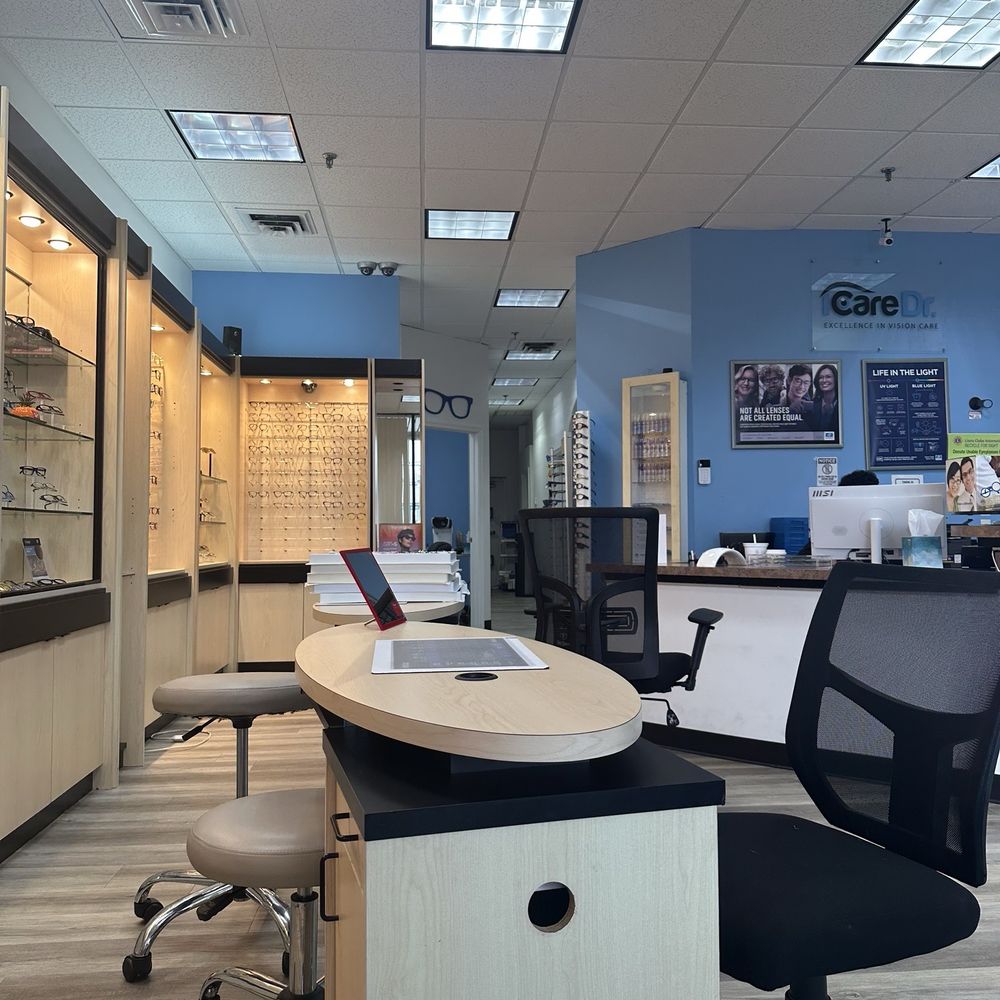
How to Find Eye Doctors That Take Medicaid: A Guide to Coverage and Care
How to Find Eye Doctors That Take Medicaid
Finding an eye doctor who accepts Medicaid can take a little research. Coverage and provider networks vary by state and Medicaid plan, and not every eye doctor accepts every plan. Checking your benefits and confirming coverage before an appointment can help you find care and avoid unexpected costs.
What kinds of eye doctors can you see?
Two types of providers commonly offer eye care:
- Optometrists provide routine eye exams, prescribe glasses or contact lenses, and diagnose or manage many common eye conditions.
- Ophthalmologists are medical doctors who diagnose and treat eye diseases, provide medical or surgical care, and may also perform routine exams.
Your Medicaid plan may cover different services depending on the provider, the reason for your visit, and whether the care is considered medically necessary.
Does Medicaid cover eye exams and glasses?
Medicaid vision benefits differ by state and plan. Coverage may also depend on your age. Children generally receive vision screening and medically necessary eye care through Medicaid’s Early and Periodic Screening, Diagnostic, and Treatment (EPSDT) benefit. Benefits for adults can vary more widely. Some plans cover routine eye exams or glasses, while others may limit those benefits or require specific criteria.
Medicaid may cover care for eye injuries or medical conditions even when routine vision benefits are limited. Before scheduling, ask your plan which services are covered, whether you need a referral or prior authorization, and whether there are limits on exams, lenses, or frames.
How to find an eye doctor who accepts your plan
- Check your Medicaid card. If you’re enrolled in a managed care plan, the card should list the plan’s name and contact information.
- Search the plan’s provider directory. Look for optometrists or ophthalmologists in your area. Directories may not always be current, so treat a listing as a starting point.
- Call the plan’s member services line. Ask for nearby eye doctors who are accepting patients and confirm whether the service you need is covered.
- Call the doctor’s office directly. Give the staff the exact name of your Medicaid plan and ask whether they accept it for your specific appointment or service.
- Ask about costs and requirements. Confirm whether you need a referral, prior authorization, or a specific type of provider. Ask about any services or products that may not be covered.
It can help to confirm your coverage again shortly before the appointment, especially if you recently changed plans or your Medicaid eligibility has been renewed.
Other places to look for eye care
If you’re having trouble finding an in-network provider, contact your state Medicaid agency or health plan for help. Federally Qualified Health Centers, community health centers, hospital clinics, and optometry schools may also offer eye care. Ask each location whether it accepts your plan and whether it provides the service you need.
When to seek urgent care
Sudden vision loss, a serious eye injury, intense eye pain, or new flashes and floaters can require prompt medical attention. Contact your eye doctor, your plan’s nurse line, or an urgent or emergency care provider for guidance. For severe or sudden symptoms, don’t wait for a routine appointment.
Plan ahead for your appointment
Bring your Medicaid card, a photo ID, a list of medications, and any current glasses or contact lens prescription. If the appointment is for a medical concern, note when your symptoms began and how they have changed. Confirming your provider and benefits in advance can make it easier to get the eye care you need.
9 Essential Tips for Finding Eye Doctors That Accept Medicaid
- Check your state Medicaid website for covered eye doctors.
- Call the number on your Medicaid card for referrals.
- Confirm the office accepts your specific Medicaid plan.
- Ask whether the doctor is accepting new Medicaid patients.
- Check if you need a referral before booking.
- Ask which eye exams and services Medicaid covers.
- Confirm whether glasses or contact lenses are covered.
- Bring your Medicaid card and photo ID to your visit.
- Call ahead to verify coverage and any possible costs.
Check your state Medicaid website for covered eye doctors.
Check your state Medicaid website to find eye doctors who may accept your coverage. Many state sites offer provider directories where you can search for optometrists and ophthalmologists by location or specialty. Since directories may not always be up to date, call the doctor’s office and your Medicaid plan to confirm the provider is in-network and that the service you need is covered before booking an appointment.
Call the number on your Medicaid card for referrals.
Call the member services number on your Medicaid card to ask for referrals to eye doctors in your area. A representative can help identify providers in your plan’s network and explain whether your plan covers the exam or treatment you need. Before booking, call the provider’s office to confirm they accept your specific Medicaid plan and are taking new patients.
Confirm the office accepts your specific Medicaid plan.
Before booking an appointment, call the eye doctor’s office and confirm that it accepts your specific Medicaid plan—not just Medicaid in general. Plans and provider networks can vary, and an office may accept some Medicaid plans but not others. Ask whether your visit and any needed services, such as an eye exam, glasses, or treatment, are covered, and whether you need a referral or prior authorization.
Ask whether the doctor is accepting new Medicaid patients.
Before scheduling an appointment, ask whether the eye doctor is currently accepting new patients with your specific Medicaid plan. A provider may accept Medicaid but have a full patient schedule or participate only in certain plans, so confirming this upfront can save time and help you find an appointment sooner.
Check if you need a referral before booking.
Before booking an eye exam, check with your Medicaid plan to see whether you need a referral from your primary care provider. Some plans require a referral before you can see an optometrist or ophthalmologist, and skipping this step could delay care or leave you responsible for costs that might otherwise be covered. Call the member services number on your Medicaid card to confirm the rules for your plan and the type of eye care you need.
Ask which eye exams and services Medicaid covers.
Before scheduling an appointment, ask your Medicaid plan which eye exams and services it covers. Benefits can vary by state, plan, and age, so confirm whether routine exams, glasses or contacts, and treatment for specific eye conditions are included. Also ask if you need a referral or prior authorization, and verify that the eye doctor accepts your specific Medicaid plan to help avoid unexpected costs.
Confirm whether glasses or contact lenses are covered.
Before scheduling an eye exam, check with your Medicaid plan to see whether it covers glasses or contact lenses, since benefits vary by state and plan. Ask about coverage limits, how often you can get new eyewear, which frames or lenses are included, and whether you need a prescription, referral, or prior authorization. Confirm that the eye doctor and optical provider accept your specific plan so you know what costs, if any, you may need to pay.
Bring your Medicaid card and photo ID to your visit.
Bring your Medicaid card and a photo ID to your eye doctor visit. The office can use them to verify your identity and insurance coverage, confirm that it accepts your specific Medicaid plan, and process your appointment. If your coverage or plan has recently changed, call ahead to make sure your information is up to date.
Call ahead to verify coverage and any possible costs.
Before scheduling an appointment, call the eye doctor’s office and your Medicaid plan to confirm that the provider accepts your specific plan and that the services you need are covered. Ask whether you need a referral or prior authorization, and whether exams, glasses, contact lenses, or other services could involve limits or out-of-pocket costs. Coverage can vary by state and plan, so verifying these details ahead of time can help prevent unexpected expenses.