Pediatric Eye Doctor: A Parent’s Guide to Children’s Vision and Eye Health
Pediatric Eye Doctor: Supporting Your Child’s Vision and Eye Health
Healthy vision plays an important role in a child’s learning, development, and everyday activities. A pediatric eye doctor evaluates children’s vision and eye health, identifies potential problems, and recommends care suited to a child’s age and needs. Because children may not realize or be able to explain that they have trouble seeing, regular vision checks are an important part of their care.
What Is a Pediatric Eye Doctor?
“Pediatric eye doctor” is a general term for an eye care professional who works with children. The two main types are:
- Pediatric optometrists examine vision, prescribe glasses or contact lenses when appropriate, and diagnose and manage many common eye conditions.
- Pediatric ophthalmologists are medical doctors who specialize in eye health. They can provide medical and surgical treatment for eye conditions, including complex problems.
Some children benefit from care from one type of specialist, while others may see both. A child’s primary care provider can help determine what type of evaluation is appropriate.
What Happens During a Child’s Eye Exam?
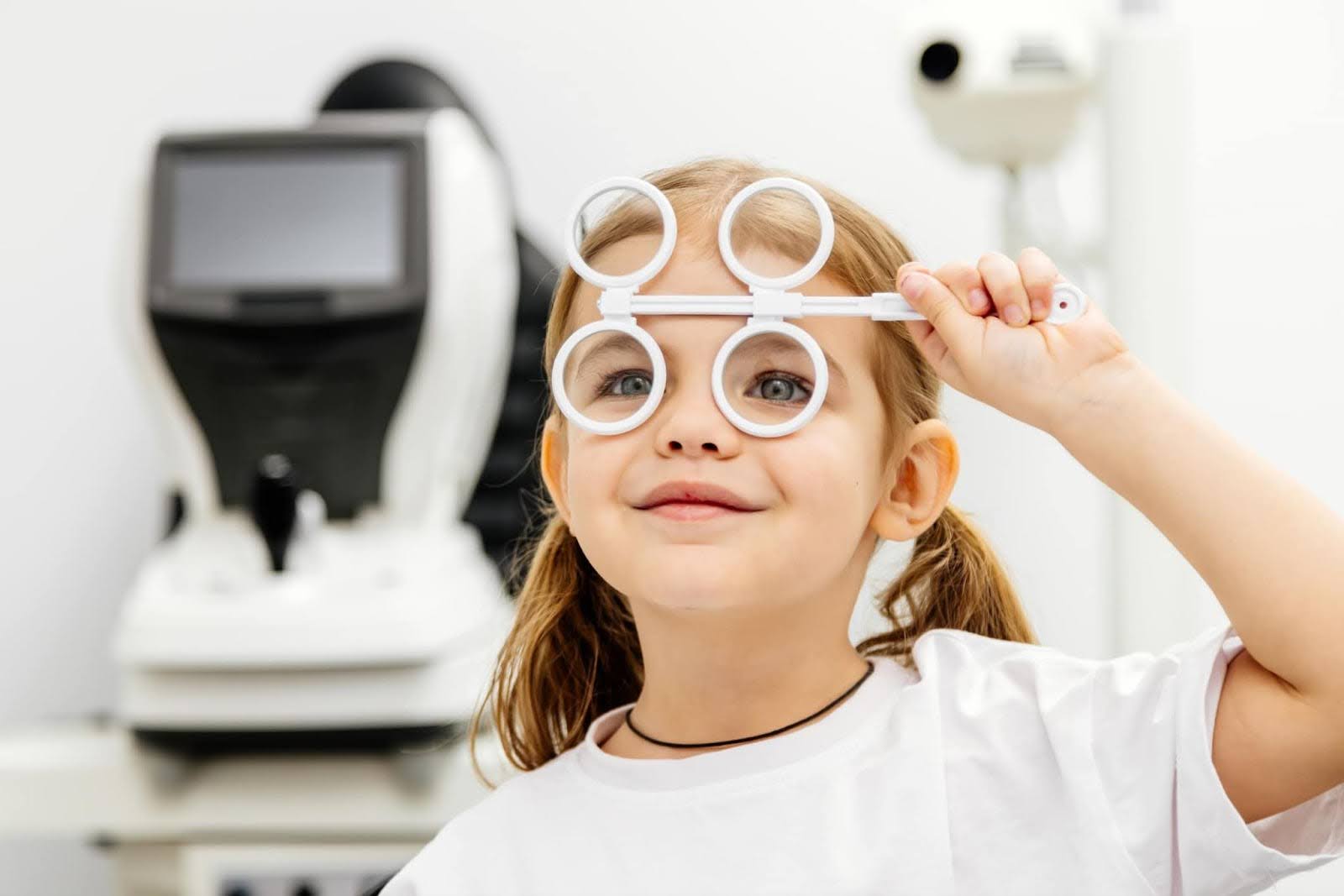
An eye exam is adapted to a child’s age and ability to communicate. The doctor may assess how well the child sees, how the eyes move and work together, and the health of the structures inside and around the eyes. For younger children, some tests rely on pictures, lights, or simple games rather than reading letters.
If a vision problem is found, the eye doctor will explain the results and discuss next steps. These may include glasses, follow-up visits, additional testing, or treatment. The recommendations depend on the child’s individual needs.
When Should a Child See an Eye Doctor?
Children should receive age-appropriate vision screening as part of routine health care. A screening can identify signs of a possible problem, but it is not the same as a comprehensive eye exam. If a child does not pass a screening, has a known risk factor, or shows signs of vision difficulty, a complete evaluation may be recommended.
Consider arranging an eye evaluation if your child:
- Frequently squints, tilts their head, or closes one eye to see
- Complains of blurry vision, headaches, or eye discomfort
- Holds books or screens unusually close
- Has difficulty focusing, tracking objects, or seeing the board at school
- Has eyes that appear misaligned or do not move together
- Has a family history of significant vision problems or other risk factors
Not every sign indicates an eye condition, but persistent concerns are worth discussing with a health care professional.
Common Vision and Eye Conditions in Children
A pediatric eye doctor may evaluate conditions such as nearsightedness, farsightedness, and astigmatism, which can affect how clearly a child sees. Other concerns include amblyopia (often called “lazy eye”), strabismus (misaligned eyes), eye infections, and problems with focusing or eye coordination. Early evaluation can help determine whether treatment is needed and what options may be appropriate.
How to Choose a Pediatric Eye Doctor
When choosing an eye doctor, consider their training and experience with children, the types of services they provide, office accessibility, and whether they accept your insurance. It can also help to ask how exams are adapted for young children and how the practice communicates results and follow-up recommendations.
Bring your child’s glasses, a list of medications, relevant medical history, and any notes about symptoms or concerns. If your child has already had a vision screening, bring those results if available.
When to Seek Urgent Care
Contact a health care professional promptly if your child has a sudden change in vision, a serious eye injury, severe eye pain, or an eye that becomes very red or swollen. For severe symptoms or an emergency, seek immediate medical care.
Helping Children Build Healthy Vision Habits
Routine health visits and age-appropriate vision checks can help identify concerns early. Encourage children to take breaks during extended screen use, spend time outdoors when practical, and wear appropriate protective eyewear during activities that could injure the eyes. Follow the eye doctor’s instructions for glasses, medication, or follow-up visits.
A pediatric eye doctor can help families understand a child’s vision and make informed decisions about care. When questions arise, consult a qualified eye care professional or your child’s primary care provider for guidance tailored to your child.
9 Benefits of Choosing a Pediatric Eye Doctor for Your Child’s Vision Health
- Specialized care for children’s eyes
- Age-appropriate vision exams
- Early detection of vision problems
- Support for healthy visual development
- Diagnosis of common eye conditions
- Guidance on glasses and treatment
- Kid-friendly exam approaches
- Help with school-related vision concerns
- Advice tailored to your child’s needs
Challenges of Visiting a Pediatric Eye Doctor: Cost, Wait Times, and Child Comfort
- Appointments may be costly without insurance.
- Specialists may have long wait times.
- Young children may find exams intimidating.
Specialized care for children’s eyes
Pediatric eye doctors provide specialized care tailored to children’s developing eyes and unique needs. They’re trained to recognize vision problems and eye conditions that can affect learning, coordination, and development, and they use age-appropriate tests to make exams more comfortable for young patients. This child-focused approach can help identify concerns early and guide families toward suitable care.
Age-appropriate vision exams
A pediatric eye doctor tailors vision exams to a child’s age, development, and ability to communicate. Young children may respond to pictures, lights, or simple games, while older children can complete more detailed tests. This age-appropriate approach helps make exams comfortable and engaging while giving the doctor useful information about a child’s vision and eye health.
Early detection of vision problems
A pediatric eye doctor can identify vision problems early, sometimes before a child is able to describe what they’re seeing or recognize that anything is wrong. Early detection can help families address concerns—such as nearsightedness, amblyopia, or misaligned eyes—at an appropriate time and reduce the chance that vision difficulties interfere with learning, development, and daily activities.
Support for healthy visual development
A pediatric eye doctor supports healthy visual development by monitoring how a child’s eyes and vision grow over time. Regular, age-appropriate exams can help identify concerns—such as focusing difficulties or eyes that do not work together—so families can discuss appropriate care early. Clear, comfortable vision can help children take part in learning, play, and everyday activities.
Diagnosis of common eye conditions
A pediatric eye doctor can identify common eye conditions that may affect a child’s vision, comfort, and development. Through age-appropriate exams, they can check for issues such as nearsightedness, farsightedness, astigmatism, amblyopia (often called “lazy eye”), and strabismus (misaligned eyes). Recognizing these concerns early can help families understand their child’s needs and discuss suitable next steps with a qualified eye care professional.
Guidance on glasses and treatment
A pediatric eye doctor can guide families through choosing and using glasses or other recommended treatments. They’ll explain what a child’s prescription means, help find frames that fit comfortably, and offer practical tips for encouraging consistent wear. If treatment such as eye drops, patching, or follow-up care is recommended, the doctor can explain how it works and answer questions, helping parents feel more confident about supporting their child’s vision.
Kid-friendly exam approaches
Pediatric eye doctors use kid-friendly exam approaches to help children feel comfortable and engaged during their visit. They may use pictures, toys, lights, or simple games instead of relying on reading or detailed explanations, adapting each test to the child’s age and communication skills. A welcoming, playful approach can ease anxiety and help the doctor gather useful information about a child’s vision and eye health.
Help with school-related vision concerns
A pediatric eye doctor can help identify vision problems that make schoolwork harder, such as difficulty seeing the board, reading comfortably, or keeping focus on a page. During an evaluation, the doctor can assess how well a child’s eyes see and work together, then recommend appropriate next steps, such as glasses or further testing. Addressing vision concerns may help children participate more comfortably in classroom activities, though it does not replace support for other learning or attention needs.
Advice tailored to your child’s needs
A pediatric eye doctor offers advice tailored to your child’s age, development, vision, and overall eye health. Because children may have different needs at each stage of growth, the doctor can explain findings in clear terms and recommend appropriate next steps, such as monitoring vision, using glasses, or scheduling follow-up care. This personalized guidance helps families make informed decisions and support a child’s visual development.
Appointments may be costly without insurance.
One potential downside of seeing a pediatric eye doctor is the cost when insurance doesn’t cover the appointment. Comprehensive exams, diagnostic tests, and follow-up visits can add up, so it’s helpful to confirm coverage and ask the office about fees or payment options before scheduling.
Specialists may have long wait times.
One potential drawback of seeing a pediatric eye doctor is that specialists may have long wait times, especially in areas with limited availability or during busy periods. This can make it harder to schedule an appointment quickly when a child needs an evaluation. Families may want to contact the office early, ask about cancellation openings, or check with their child’s primary care provider about other qualified options.
Young children may find exams intimidating.
Young children may find an eye exam intimidating, especially if they are unfamiliar with the equipment, bright lights, or new people. Feeling nervous can make it harder for a child to follow instructions or complete certain tests, so the appointment may take longer. Parents can help by explaining what to expect in simple, reassuring language and choosing a pediatric eye doctor experienced in making children feel comfortable.