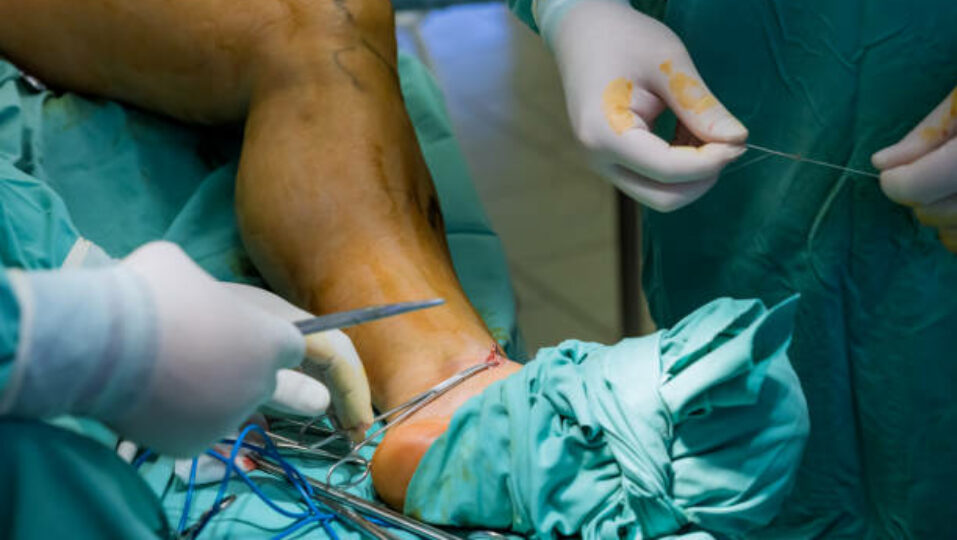
Surgical Orthopedics: Procedures, Benefits, and Recovery
Surgical Orthopedics: Procedures, Benefits, and Recovery
Surgical orthopedics focuses on diagnosing and treating conditions and injuries affecting the bones, joints, muscles, tendons, ligaments, and related structures. Orthopedic surgery may help relieve pain, restore movement, repair damage, or improve stability when nonsurgical treatments have not provided enough relief or when an injury requires prompt repair.
When Is Orthopedic Surgery Considered?
Surgery is not the right choice for every orthopedic problem. Depending on the condition, a care team may first recommend options such as physical therapy, medication, activity changes, injections, bracing, or other supportive treatments. Surgery may be considered when symptoms continue to limit daily activities, structural damage needs repair, or a fracture or other injury requires stabilization.
Common reasons for orthopedic surgery include:
- Severe arthritis that causes persistent pain and limits mobility
- Fractures that cannot heal properly without surgical stabilization
- Torn ligaments, tendons, or cartilage
- Joint instability or significant deformity
- Some spinal conditions that cause ongoing pain or nerve symptoms
- Bone or soft-tissue conditions that require surgical evaluation
Common Types of Orthopedic Surgery
Joint Replacement
Joint replacement, also called arthroplasty, involves replacing damaged parts of a joint with artificial components. Hip and knee replacements are among the most common procedures. Shoulder, ankle, and other joint replacements may be appropriate in selected cases. The goal is often to reduce pain and improve function.
Fracture Repair
Some broken bones need an operation to restore their position and hold them in place while they heal. Surgeons may use plates, screws, rods, or pins, depending on the fracture and the patient’s needs. Not all fractures require surgery; treatment depends on factors such as the bone involved, the location and pattern of the break, and overall health.
Arthroscopy
Arthroscopy is a minimally invasive technique that uses a small camera and specialized instruments inserted through small incisions. It may be used to evaluate or treat certain problems in the knee, shoulder, hip, ankle, elbow, or wrist. Whether arthroscopy is suitable depends on the specific diagnosis; it is not automatically preferable to other treatment options.
Ligament and Tendon Repair
When certain ligaments or tendons are torn, surgery may be recommended to repair or reconstruct the tissue. Examples include some injuries to the anterior cruciate ligament (ACL) in the knee and rotator cuff tendons in the shoulder. Rehabilitation is an important part of recovery after these procedures.
Spine Surgery
Orthopedic spine surgeons treat some conditions affecting the spine, including fractures, deformities, and problems that put pressure on nerves. Spine surgery is generally considered after a careful evaluation and, when appropriate, a trial of nonsurgical care. The type of procedure depends on the cause and severity of symptoms.
Preparing for Surgery
Preparation begins with a thorough evaluation. A surgeon may review medical history, perform a physical examination, and order imaging or laboratory tests. Patients should discuss existing health conditions, allergies, medications, supplements, and previous surgeries with their care team. Some medications may need to be adjusted before surgery, but changes should be made only under medical guidance.
Before the procedure, the care team should explain the expected benefits, alternatives, potential risks, anesthesia plan, and likely recovery timeline. Patients can also ask about pain management, rehabilitation, home support, and any equipment they may need after discharge.
Recovery and Rehabilitation
Recovery varies widely based on the procedure, the condition being treated, and a person’s overall health. Some patients go home the same day, while others need a hospital stay. Physical or occupational therapy may help rebuild strength, improve flexibility, and support a safe return to daily activities.
Following postoperative instructions is essential. These may cover wound care, movement restrictions, medications, exercises, and follow-up appointments. Recovery should not be rushed: returning to strenuous activity too soon can interfere with healing. The surgeon and rehabilitation team can provide guidance on when it is safe to resume work, driving, exercise, or sports.
Potential Risks
All surgery involves risks. Depending on the procedure, possible complications may include infection, bleeding, blood clots, reactions to anesthesia, persistent pain, stiffness, nerve or blood vessel injury, or problems with healing. Implants may also wear out or loosen over time. A surgeon can explain which risks are most relevant to an individual patient and how they may be reduced.
Choosing an Orthopedic Surgeon
Patients can ask whether a surgeon is board-certified, how often they perform the recommended procedure, and what outcomes and complications are typical for their practice. It may also be helpful to ask about nonsurgical alternatives, the surgeon’s approach to rehabilitation, and who to contact with questions after surgery. A second opinion can provide additional perspective, particularly for major or elective procedures.
Making an Informed Decision
Surgical orthopedics can play an important role in treating injuries and musculoskeletal conditions, but the best plan depends on the individual diagnosis, goals, and health history. A conversation with a qualified orthopedic professional can help clarify the available options and what to expect from treatment.
This article is for general informational purposes only and is not a substitute for professional medical advice, diagnosis, or treatment. Seek guidance from a qualified health care professional about any medical condition or treatment decision.
Essential Tips for a Successful Surgical Orthopedics Experience
- Follow your orthopedic surgeon’s preoperative instructions.
- Share your full medication and allergy list with your care team.
- Ask which medicines to take or pause before surgery.
- Keep the incision clean and follow wound-care instructions.
- Attend follow-up visits and follow your rehabilitation plan.
- Seek prompt care for fever, worsening pain, or wound drainage.
Follow your orthopedic surgeon’s preoperative instructions.
Follow your orthopedic surgeon’s preoperative instructions carefully to help prepare for surgery and reduce the risk of delays or complications. These instructions may cover when to stop eating or drinking, how to manage medications and supplements, bathing, smoking, and arranging transportation or support at home. If anything is unclear or your health changes before the procedure, contact your surgical team rather than guessing or making changes on your own.
Share your full medication and allergy list with your care team.
Before orthopedic surgery, share a complete, up-to-date list of all medications and supplements you take, including prescriptions, over-the-counter products, vitamins, and herbal remedies. Tell your care team about every known allergy and describe the reaction you experienced, if you know it. This information helps your clinicians plan anesthesia and pain management, identify possible interactions, and decide whether any medications should be adjusted before surgery. Don’t stop or change a medication unless your care team instructs you to do so.
Ask which medicines to take or pause before surgery.
Before orthopedic surgery, ask your surgeon or care team which prescription medicines, over-the-counter drugs, and supplements you should take or pause. Some products can affect bleeding, anesthesia, or healing, but stopping a medication on your own may also be risky. Share an up-to-date list of everything you take, and follow your care team’s instructions about when to make any changes and when to resume your usual medicines.
Keep the incision clean and follow wound-care instructions.
Keep your incision clean and follow your surgical team’s wound-care instructions carefully to support healing and reduce the risk of infection. Change dressings as directed, wash your hands before touching the area, and avoid applying ointments or soaking the incision unless your care team says it’s okay. Contact your health care provider if you notice increasing redness, swelling, warmth, drainage, worsening pain, or a fever.
Attend follow-up visits and follow your rehabilitation plan.
Attend all follow-up visits after orthopedic surgery so your care team can check healing, address concerns, and adjust your treatment as needed. Follow your rehabilitation plan closely, including prescribed exercises and activity restrictions. Progressing at a safe pace can help restore strength and mobility while reducing the risk of setbacks; contact your care team if you experience new or worsening symptoms.
Seek prompt care for fever, worsening pain, or wound drainage.
After orthopedic surgery, contact your care team promptly if you develop a fever, worsening pain, or drainage from the incision, as these symptoms may signal an infection or another complication. Follow your surgeon’s instructions for urgent concerns, and seek emergency care for severe symptoms or if you cannot reach your care team.