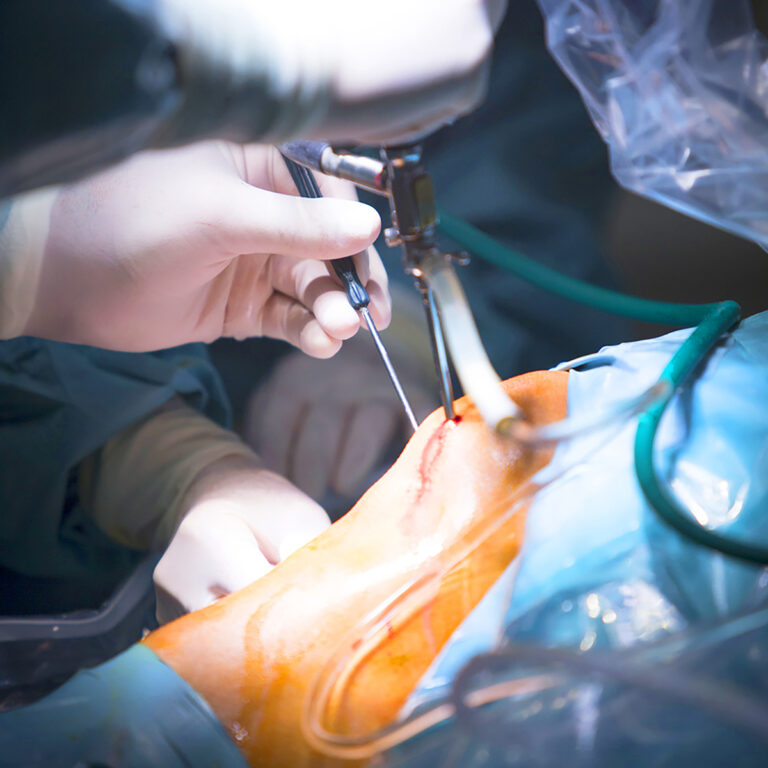
Orthopaedic Operation: What to Know Before Surgery
Orthopedic Surgery: What to Know Before an Operation
An orthopedic operation is a surgical procedure used to treat problems affecting the bones, joints, muscles, ligaments, tendons, or other parts of the musculoskeletal system. Surgery may help relieve pain, restore movement, repair an injury, or improve stability when nonsurgical treatments have not provided enough relief. The right approach depends on the condition, the person’s overall health, and their treatment goals.
Common Types of Orthopedic Operations
Orthopedic surgery includes many procedures, ranging from minimally invasive operations to more complex surgeries. Common examples include:
- Joint replacement: Damaged parts of a joint are replaced with artificial components. Hip and knee replacements are among the most common types.
- Arthroscopy: A surgeon uses a small camera and specialized instruments inserted through small incisions to examine or treat a joint.
- Fracture repair: Broken bones may be stabilized with plates, screws, rods, or pins so they can heal in the correct position.
- Ligament or tendon repair: Damaged soft tissue may be repaired or reconstructed, such as during some knee or shoulder operations.
- Spine surgery: Certain procedures address problems involving the bones, discs, or nerves of the spine.
When Might Surgery Be Recommended?
Surgery may be considered when an injury or condition causes ongoing pain, limits everyday activities, or threatens the function or stability of a joint or limb. Before recommending an operation, a clinician may consider options such as physical therapy, medication, activity changes, injections, or assistive devices. These treatments are not appropriate for every condition, and the best plan depends on an individual assessment.
A surgeon should explain why a procedure is being considered, what it is expected to accomplish, and what alternatives are available. Patients can ask about the likely benefits, limitations, recovery demands, and risks before deciding how to proceed.
Preparing for an Operation
Preparation often begins with a medical evaluation and a discussion of health history, medications, allergies, and previous surgeries. Depending on the procedure, testing or imaging may be needed. The surgical team will provide instructions about eating and drinking before surgery, medication use, transportation, and what to bring on the day of the operation.
Practical planning can also support recovery. Patients may need help at home, especially during the first days after surgery. They may also be advised to arrange a safe place to rest, prepare meals, and make frequently used items easy to reach. Medication changes should be made only according to instructions from the treating clinician.
What Happens During Surgery?
The operation takes place in a hospital or surgical center. Anesthesia may be general, regional, or local, depending on the procedure and the patient’s circumstances. The surgical team monitors the patient throughout the operation and provides instructions for the next stage of care.
Some people go home the same day, while others stay in the hospital for observation or rehabilitation. The expected length of stay depends on the operation, overall health, and recovery needs.
Recovery and Rehabilitation
Recovery varies widely. It may take weeks or months, depending on the procedure and the person’s health and activity level. A care plan may include pain management, wound care, follow-up appointments, and physical or occupational therapy. Rehabilitation can help restore strength, flexibility, balance, and confidence in movement.
Following the surgeon’s instructions is important. This may include limits on lifting or weight-bearing, guidance on using crutches or a walker, and exercises to perform at home. Progress should be gradual; returning to strenuous activity too soon can interfere with healing. The care team can explain when it is safe to resume work, driving, exercise, or other activities.
Possible Risks
As with any operation, orthopedic surgery has potential risks. These may include infection, bleeding, blood clots, reactions to anesthesia, pain, stiffness, or problems with healing. Some procedures also carry risks specific to the body part being treated. The surgeon can discuss which risks are most relevant and how they may be reduced.
After surgery, seek prompt medical advice for concerning symptoms such as a fever, worsening redness or drainage around an incision, sudden or increasing pain, new numbness or weakness, or swelling and pain in the calf. Chest pain or trouble breathing requires emergency care.
Questions to Ask the Surgeon
- What condition is the operation intended to treat?
- What benefits can reasonably be expected, and what are the limitations?
- Are there nonsurgical alternatives?
- What are the risks in this specific case?
- How long might recovery take, and what support will be needed?
- What rehabilitation or follow-up care will be required?
Making an Informed Decision
An orthopedic operation can be an important step toward improved comfort or mobility, but outcomes and recovery experiences differ from person to person. A thorough conversation with a qualified orthopedic surgeon can help clarify the options and set realistic expectations. This article provides general information and does not replace advice from a healthcare professional.
9 Essential Tips for a Safe Orthopedic Surgery and Recovery
- Follow your surgeon’s instructions before surgery.
- Share your full medical history and medication list.
- Ask which medicines to take or pause before surgery.
- Follow fasting instructions exactly.
- Arrange a ride home and help during recovery.
- Keep your incision clean and follow wound-care instructions.
- Take pain medicine only as directed.
- Attend follow-up visits and follow your rehabilitation plan.
- Seek urgent care for trouble breathing, chest pain, or severe swelling.
Follow your surgeon’s instructions before surgery.
Follow your surgeon’s instructions before an orthopedic operation to help prepare safely and reduce the chance of delays or complications. Your care team may give you directions about eating and drinking, taking or pausing certain medications, completing preoperative tests, and arranging transportation or help at home. If anything is unclear—or your health or medications change—contact your surgeon’s office rather than guessing.
Share your full medical history and medication list.
Before an orthopedic operation, share your complete medical history and an up-to-date list of all medications with your surgical team. Include prescription and over-the-counter medicines, vitamins, supplements, allergies, past surgeries, and ongoing health conditions. This information can help your providers plan anesthesia and care, identify possible interactions or risks, and tell you whether any medicines should be adjusted before surgery. Don’t stop or change a medication unless your healthcare provider instructs you to.
Ask which medicines to take or pause before surgery.
Before an orthopedic operation, ask your surgeon or care team which medicines to take as usual and which, if any, to pause. This includes prescription drugs, over-the-counter medicines, vitamins, and herbal supplements, since some can affect bleeding, anesthesia, or recovery. Don’t stop or change a medication on your own; follow the instructions provided by your healthcare team.
Follow fasting instructions exactly.
Follow your surgical team’s fasting instructions exactly before an orthopedic operation. You may be told to stop eating and drinking for a specific period to reduce the risk of complications with anesthesia. The timing can vary, and some medications may need to be taken with a small sip of water, so follow the instructions provided for your procedure rather than general advice. If you’re unsure what’s allowed or accidentally eat or drink during the fasting period, contact your care team before surgery.
Arrange a ride home and help during recovery.
Before your orthopedic operation, arrange for someone to drive you home, since anesthesia and pain medication can make it unsafe to drive. It’s also helpful to have a friend or family member stay with you or check in during the first part of your recovery. They can assist with meals, errands, medication reminders, and moving around safely while you follow your care team’s instructions.
Keep your incision clean and follow wound-care instructions.
Keep your incision clean and follow the wound-care instructions provided by your surgical team. Wash your hands before touching the area, change dressings as directed, and avoid applying creams or other products unless your care team says they’re safe. Watch for increasing redness, warmth, swelling, drainage, or worsening pain, and contact your healthcare provider if you notice these signs or develop a fever.
Take pain medicine only as directed.
Take pain medicine only as directed by your surgeon or pharmacist. Follow the prescribed dose and schedule, and don’t take extra doses or combine medications without checking first—some medicines contain the same active ingredients or can interact. If your pain isn’t controlled, or you have concerning side effects, contact your healthcare team rather than changing your dose on your own.
Attend follow-up visits and follow your rehabilitation plan.
Attend all scheduled follow-up visits after an orthopedic operation so your care team can monitor healing, check for complications, and adjust your treatment if needed. Follow your rehabilitation plan as directed, including prescribed exercises and activity limits. Progress at a safe pace, and contact your healthcare provider if you have concerns or notice new or worsening symptoms.
Seek urgent care for trouble breathing, chest pain, or severe swelling.
After an orthopedic operation, seek emergency medical care right away if you have trouble breathing, chest pain, or severe swelling. These symptoms can signal a serious complication and should not be ignored or managed at home. Call 911 or your local emergency number, and follow any instructions from your healthcare team.