Nose Operation Cost: What to Expect and How to Plan for Surgery
Nose Operation Cost: What to Expect
The cost of a nose operation can vary widely depending on the type of procedure, the surgeon’s experience, where the surgery takes place, and whether the procedure is cosmetic, medically necessary, or both. Before comparing prices, it’s important to understand what the quoted fee includes—and what may be billed separately.
Typical Nose Operation Costs in the United States
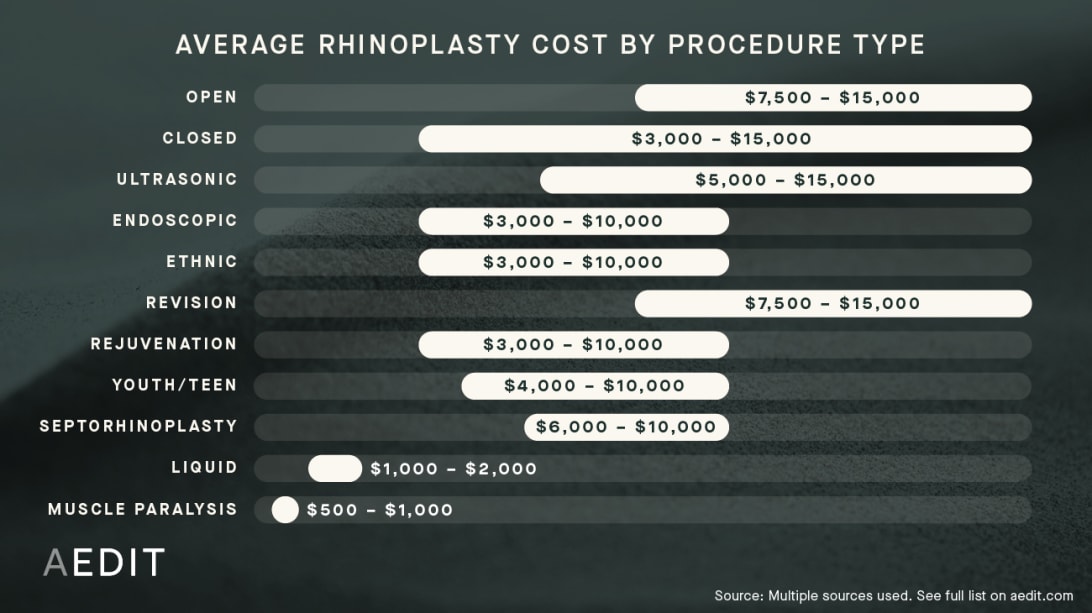
“Nose operation” can refer to several different procedures. In the United States, a cosmetic rhinoplasty often costs approximately $8,000 to $15,000 or more for the full procedure. More complex or revision surgeries may cost more.
A septoplasty, which corrects a deviated septum to improve breathing, may have a different price. If it is considered medically necessary, some or all of the cost may be covered by health insurance, subject to your plan’s rules, deductible, and network requirements. Cosmetic changes are generally not covered. When functional and cosmetic procedures are performed together, the costs and coverage may be divided between the patient and insurer.
These figures are general estimates, not a quote. Prices vary by location and provider, and a consultation is usually needed to receive an individualized estimate.
What Affects the Cost?
- Type and complexity of surgery: A primary rhinoplasty may cost less than a revision procedure or surgery involving significant structural work.
- Surgeon’s experience: Fees may differ based on a surgeon’s qualifications, specialty, and experience with the procedure.
- Location: Costs can be higher in areas with greater operating and staffing expenses.
- Anesthesia: General anesthesia and the services of an anesthesia professional may be billed separately.
- Facility fees: The operating room, hospital, or accredited surgical center may charge its own fee.
- Pre- and post-operative care: Consultations, medical tests, prescriptions, follow-up visits, and treatment of complications may affect the total.
- Insurance coverage: Coverage depends on the reason for surgery, documentation, and the terms of your plan.
What Should a Quote Include?
Ask for a written, itemized estimate before scheduling surgery. Confirm whether the quoted amount includes the surgeon’s fee, anesthesia, facility charges, pre-operative testing, medications, follow-up appointments, and any expected aftercare. Also ask what could lead to additional charges and how complications or revision surgery would be handled.
If insurance may apply, ask the surgeon’s office and your insurer whether the procedure is covered and whether prior authorization is required. Request an explanation of any deductible, copay, coinsurance, or out-of-network costs. A procedure being described as “functional” does not automatically guarantee coverage.
Considering Surgery Outside the United States?
Traveling for surgery may involve additional expenses beyond the procedure itself, including flights, lodging, transportation, meals, and time away from work. Follow-up care can also be more complicated after returning home. Before choosing a provider, verify the surgeon’s credentials, facility standards, infection-control practices, communication arrangements, and plans for urgent or follow-up care. Ask who will be responsible if you need treatment after you return.
Do not choose a surgeon based on price alone. A low quote may exclude important services, while a higher price does not by itself guarantee better results. The surgeon’s qualifications, the facility, clear communication, and a safe care plan should all be part of your decision.
How to Get an Accurate Estimate
The best way to learn the cost of a nose operation is to consult a qualified surgeon who can assess your goals, breathing, medical history, and the complexity of the procedure. Bring a list of questions and request a detailed estimate. Comparing complete care plans—not just headline prices—can help you make a more informed decision.
This article is for general informational purposes and is not a substitute for medical or financial advice. Costs and insurance coverage vary; consult a qualified healthcare professional and your insurer for guidance specific to your situation.
5 Tips for Understanding Rhinoplasty Costs and Comparing Quotes
- Ask for an itemized estimate covering the surgeon, facility, and anesthesia.
- Check whether follow-up visits and medications are included.
- Cosmetic rhinoplasty is usually not covered by insurance.
- Get quotes from qualified, board-certified surgeons.
- Compare experience and safety—not just the lowest price.
Ask for an itemized estimate covering the surgeon, facility, and anesthesia.
Before scheduling a nose operation, ask for an itemized estimate that clearly separates the surgeon’s fee, facility charges, and anesthesia costs. Confirm whether the price also includes consultations, tests, medications, and follow-up visits, and ask about any services that could result in additional charges. A detailed estimate makes it easier to compare providers and understand the procedure’s full cost.
Check whether follow-up visits and medications are included.
Before scheduling a nose operation, ask whether the quoted cost includes follow-up visits and medications. Post-surgery checkups help your surgeon monitor healing and address concerns, while prescriptions may be needed to manage pain or prevent infection. If these services aren’t included, ask for an estimate of their cost so you can budget for the full recovery—not just the surgery itself.
Cosmetic rhinoplasty is usually not covered by insurance.
Cosmetic rhinoplasty is usually not covered by health insurance because it’s performed to change the nose’s appearance rather than treat a medical condition. If surgery is also needed to address a functional problem, such as difficulty breathing, insurance may cover the medically necessary portion—but coverage depends on your plan and approval requirements. Ask your insurer and surgeon’s office to confirm what is covered and request an itemized estimate for any out-of-pocket costs.
Get quotes from qualified, board-certified surgeons.
Get quotes from qualified, board-certified surgeons to understand the likely cost of your nose operation and compare care plans. Ask each surgeon for an itemized estimate that explains what’s included, such as the surgeon’s fee, anesthesia, facility charges, and follow-up visits. The lowest quote may not cover every service, so consider the surgeon’s credentials, experience, and proposed treatment—not price alone.
Compare experience and safety—not just the lowest price.
When comparing nose operation costs, look beyond the lowest price and consider the surgeon’s qualifications, experience with your specific procedure, and the safety standards of the surgical facility. Ask what the quoted fee includes, how follow-up care is handled, and what support is available if complications arise. A clear, comprehensive estimate from a qualified provider can help you make a safer, more informed decision.