Protection, Design, and Sustainability
Packaging: More Than a Protective Cover
Packaging is part of everyday life. It protects food and products, helps people identify what they are buying, and makes it easier to store and transport goods. From a cardboard shipping box to a medicine bottle, good packaging serves practical needs while shaping how a product is presented and used.
What Packaging Does
Packaging typically serves several purposes:
- Protection: It helps guard products against damage, contamination, moisture, light, and temperature changes.
- Containment: It keeps products together and makes them easier to handle, store, and ship.
- Information: Labels can communicate ingredients, instructions, safety warnings, expiration dates, and other important details.
- Convenience: Features such as resealable closures, portioned packs, and easy-open designs can make products simpler to use.
- Identification: Colors, logos, and other design elements help customers recognize a brand or distinguish one product from another.
Common Packaging Materials
Packaging is made from a range of materials, each with advantages and limitations:
- Paper and cardboard are widely used for boxes, cartons, and wrapping. They are lightweight and often accepted in recycling programs, depending on local facilities and whether they are coated or contaminated.
- Glass provides a strong barrier and can be reused or recycled in many communities. It is heavier and more fragile than some alternatives.
- Metal, including aluminum and steel, is durable and commonly used for cans and containers. Recycling availability varies by location.
- Plastic is lightweight and can be shaped into many forms, from flexible films to rigid containers. Different types of plastic have different recycling options.
- Flexible packaging combines thin layers of material to create pouches, bags, and wrappers. It can use less material than some rigid formats, but multilayer designs may be difficult to recycle.
Packaging Design and Customer Experience
Effective packaging balances function, cost, and appearance. A package must suit the product it contains, withstand storage and transportation, and provide the information customers need. It should also be practical to open, close, carry, or store.
Design choices can influence the entire experience. Clear labeling supports informed decisions, while accessible features can make products easier to use for people with different abilities. In online shopping, packaging also needs to protect goods through shipping without adding unnecessary bulk or weight.
Sustainability and Packaging
Packaging can contribute to waste and resource use, especially when it is difficult to reuse or recycle. Reducing unnecessary material is one way to lessen its environmental impact. Other approaches include choosing materials that are accepted by local recycling systems, designing packages for reuse, and using recycled content where suitable.
No material is automatically the best choice in every situation. The right option depends on the product, how it is transported and stored, food-safety or product-protection requirements, and the waste-management systems available to customers. A package that prevents product damage or spoilage may also help avoid the environmental costs of replacing wasted goods.
Trends in Packaging
Packaging continues to evolve as businesses and consumers seek more efficient and responsible solutions. Current areas of interest include lightweight designs, refillable containers, recycled materials, clearer recycling instructions, and packaging that is easier to open. Digital features, such as QR codes, can also connect customers to product details or instructions without crowding the physical label.
Choosing Packaging That Works
Good packaging is designed around the product and the people who use it. It protects contents, communicates clearly, and avoids unnecessary complexity. By considering durability, accessibility, material use, and end-of-life options, businesses can create packaging that works better throughout the product’s journey—from production and shipping to use and disposal.
5 Tips for Secure, Sustainable Packaging
- Choose sturdy materials to protect products.
- Use packaging that fits the item.
- Make labels clear and easy to read.
- Use recyclable materials when possible.
- Seal packages securely before shipping.
Choose sturdy materials to protect products.
Choose sturdy packaging materials to help protect products from impacts, pressure, moisture, and other damage during storage and shipping. Select materials that match the product’s weight, shape, and fragility—for example, a strong corrugated box for heavier items or protective cushioning for delicate goods. The right packaging can reduce breakage, returns, and waste while helping products arrive in good condition.
Use packaging that fits the item.
Use packaging that fits the item to help protect it during storage and shipping. A package that’s too large can let the product shift around, increasing the risk of damage and requiring extra filler. A snug, well-sized package can keep the item secure, reduce wasted materials, and make handling more efficient.
Make labels clear and easy to read.
Make labels clear and easy to read so customers can quickly find the information they need. Use legible fonts, strong contrast between text and background, and a logical layout that highlights key details such as the product name, ingredients, instructions, and warnings. Avoid clutter and overly small text, and make sure the label remains easy to understand across different lighting conditions and for people with varying vision needs.
Use recyclable materials when possible.
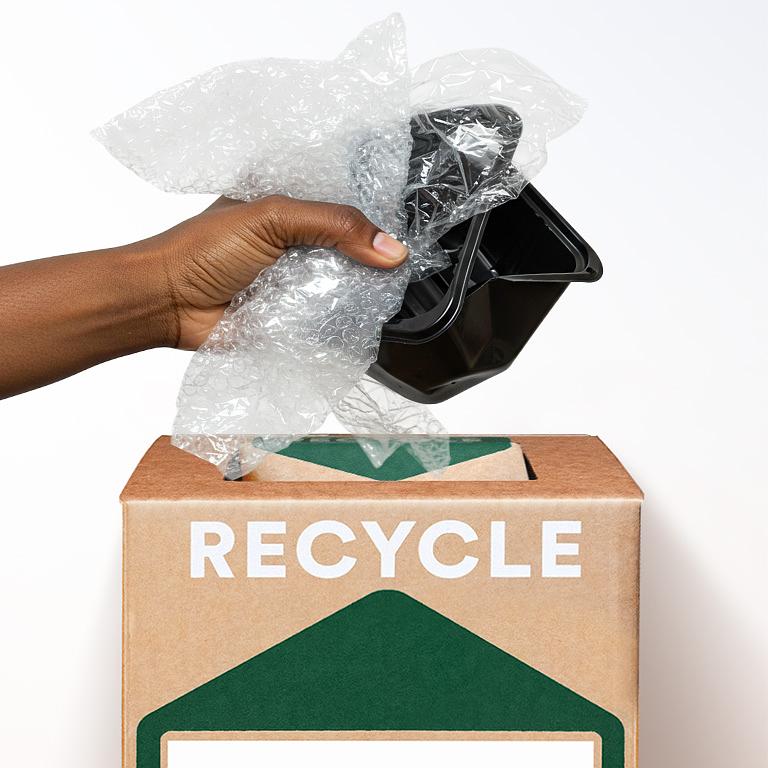
Whenever possible, choose recyclable packaging materials such as cardboard, paper, glass, or widely accepted plastics. Check local recycling guidelines, since accepted materials and preparation requirements vary by community. Clear labels and simple, single-material designs can also make packaging easier to sort and recycle, helping reduce waste and conserve resources.
Seal packages securely before shipping.
Seal packages securely before shipping to help protect their contents from damage, dirt, and moisture in transit. Close all flaps and seams with strong packing tape, and reinforce edges or openings that may come under extra stress. For heavier items, use a sturdy box and enough cushioning to keep the contents from shifting. A well-sealed package is less likely to open during handling and more likely to arrive in good condition.