Affordable Dentistry: How to Find Quality Dental Care for Less
Affordable Dentistry: Ways to Get Quality Dental Care for Less
Dental care is essential to overall health, but the cost of treatment can make it difficult to get the care you need. The good news is that affordable dentistry may be available through insurance, community programs, dental schools, payment plans, and other options. Understanding what each option offers can help you compare costs and make informed decisions.
Start with preventive care
Routine checkups, cleanings, and early treatment can help identify dental problems before they become more complex and costly. Ask your dentist which services are recommended for you and how often you should schedule them. Daily brushing with fluoride toothpaste, flossing, and limiting sugary snacks and drinks can also help protect your teeth between visits.
Explore dental insurance and savings plans
If you have dental insurance, review your plan before scheduling treatment. Check which dentists are in network, what services are covered, and whether your plan has waiting periods, annual limits, deductibles, or copayments. For treatment that may require several visits, ask the dental office to explain how the costs will be billed.
Dental discount plans are another option. These plans typically charge a membership fee in exchange for reduced rates from participating providers. They are not the same as insurance, so compare the fees and participating dentists to determine whether a plan fits your needs.
Consider community clinics and dental schools
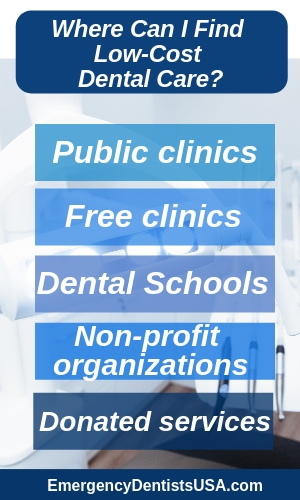
Community health centers may offer dental services at reduced rates, often based on income or household circumstances. Dental schools may also provide lower-cost care through supervised student clinics. Treatment can take longer because students are learning and procedures may require faculty review, but qualified instructors oversee their work.
Availability, eligibility, and services vary by location. Contact clinics directly to ask what they offer, how to apply, and whether they are accepting new patients.
Ask about payment options
Many dental practices offer payment plans or work with third-party financing providers. Before agreeing to a plan, request a written estimate and review the interest rate, fees, repayment schedule, and consequences of missed payments. You can also ask whether treatment can be completed in stages without compromising your dental health.
Compare treatment plans—not just prices
If you receive a treatment recommendation that is costly or extensive, ask the dentist to explain the diagnosis, the purpose of each procedure, and what may happen if treatment is delayed. For complex or nonurgent care, a second opinion can help you understand your options.
When comparing estimates, confirm that each one covers the same services, materials, and follow-up care. The lowest quoted price may not include everything needed, so ask about possible additional charges before treatment begins.
Be cautious of unusually low-cost offers
Affordable care should still meet appropriate standards for safety and quality. Ask about the dentist’s qualifications, the clinic’s infection-control practices, the materials being used, and what follow-up care is included. Be wary of pressure to make an immediate decision or pay for treatment before receiving a clear explanation and written estimate.
Make a plan for your dental health
Finding affordable dentistry often takes a little research, but several options may be available. Compare local clinics, check your benefits, ask about payment arrangements, and speak openly with a dental professional about your budget. With a clear plan, it may be easier to get the care you need while managing costs.
This article is for general informational purposes and is not a substitute for professional dental advice. Contact a dentist to discuss your specific needs. Seek prompt care for severe pain, facial swelling, fever, or other urgent symptoms.
6 Tips for Affordable Dental Care
- Compare prices at several nearby dental offices.
- Ask about payment plans or sliding-scale fees.
- Check dental schools for lower-cost care.
- Look for community health centers with dental services.
- Review insurance coverage and annual limits before treatment.
- Schedule regular cleanings to help prevent costly problems.
Compare prices at several nearby dental offices.
Comparing prices at several nearby dental offices can help you find care that fits your budget. Ask each office for a written estimate that lists the recommended services, fees, and any potential additional costs, and check whether the estimate includes the same treatment and materials. You can also ask about payment plans, insurance acceptance, and discounts. Don’t choose based on price alone—consider the dentist’s qualifications, the quality of care, and what follow-up services are included.
Ask about payment plans or sliding-scale fees.
Ask your dental office whether it offers payment plans or sliding-scale fees to make treatment more manageable. A payment plan may let you spread the cost over several months, while sliding-scale fees adjust charges based on income or financial circumstances. Ask for the terms in writing, including any interest, fees, eligibility requirements, and payment deadlines, so you can choose an option that fits your budget.
Check dental schools for lower-cost care.
Dental schools can be a good option for lower-cost dental care. Students provide services under the supervision of licensed dentists and experienced faculty, and fees may be lower than those at private practices. Because appointments may take longer or require additional review, ask the school which services are available, how to schedule a visit, and what the total cost is before treatment begins.
Look for community health centers with dental services.
Community health centers can be a helpful option if you’re looking for lower-cost dental care. Many offer services such as exams, cleanings, fillings, and other basic treatments, with fees that may be adjusted based on income and household size. Call a center near you to ask which services are available, whether you qualify for reduced rates, and if it’s accepting new patients.
Review insurance coverage and annual limits before treatment.
Before scheduling dental treatment, review your insurance coverage and annual maximum so you understand what your plan will pay and what you may owe. Check whether the dentist is in network, which procedures are covered, and whether deductibles, copays, waiting periods, or exclusions apply. If a treatment could exceed your annual limit, ask the dental office whether care can be safely scheduled in stages across benefit years, and request a written estimate before moving forward.
Schedule regular cleanings to help prevent costly problems.
Schedule regular dental cleanings to keep your teeth and gums healthy and catch potential problems early. A dental professional can remove plaque and tartar that brushing and flossing may miss, while checking for signs of cavities or gum disease. Treating these issues early may help prevent more complex and costly procedures later.