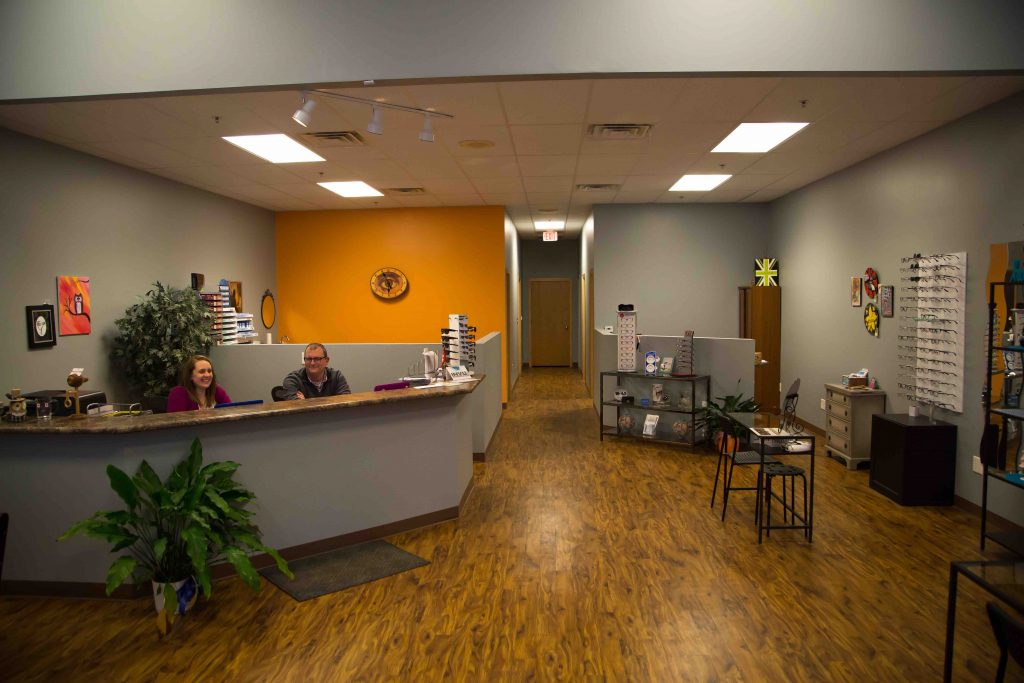
Vision Center: Services, Eye Exams, and Choosing the Right Provider
Vision Center: Services, Eye Exams, and How to Choose the Right Provider
A vision center is a healthcare facility that provides services to help people protect, assess, and improve their eyesight. Depending on the center, care may include routine eye exams, prescription glasses and contact lenses, diagnosis and management of eye conditions, or referrals for specialized treatment.
Whether you need a regular checkup or help with a change in your vision, understanding what a vision center offers can help you make informed decisions about your eye health.
What Services Does a Vision Center Offer?
Services vary by location and provider, but many vision centers offer a combination of the following:
- Comprehensive eye exams: Assess vision and check for signs of common eye conditions.
- Prescription eyewear: Help selecting and fitting eyeglasses or contact lenses.
- Contact lens services: Provide fitting, prescription updates, and guidance on safe lens care.
- Eye health evaluations: Screen for concerns such as glaucoma, cataracts, and changes associated with diabetes.
- Specialist referrals: Connect patients with an ophthalmologist or another specialist when additional evaluation or treatment is needed.
Some centers focus mainly on routine vision care, while others are connected to clinics or hospitals that provide medical and surgical eye care. It is helpful to confirm which services are available before making an appointment.
Why Routine Eye Exams Matter
Regular eye exams can do more than determine whether you need a new glasses prescription. An eye care professional may identify changes in vision and detect signs of certain eye conditions, sometimes before noticeable symptoms develop. The recommended frequency of exams depends on factors such as age, health history, vision needs, and risk of eye disease.
Children, adults with diabetes, people with a family history of eye disease, and anyone experiencing vision changes may need more frequent or specialized care. An eye care professional can recommend an exam schedule suited to individual needs.
What to Expect at an Appointment
A typical visit may begin with questions about your vision, overall health, medications, and family history. The provider may check visual acuity, assess how your eyes work together, and examine the structures of your eyes. Some exams include eye drops to widen the pupils, which can temporarily cause blurry vision or light sensitivity.
Bring your current glasses or contact lenses, a list of medications, relevant health information, and any questions you have. If your pupils are dilated, consider arranging transportation or bringing sunglasses for the trip home.
How to Choose a Vision Center
When comparing vision centers, consider the qualifications of the eye care professionals, the services offered, appointment availability, location, and insurance or payment options. You may also want to ask:
- Which types of eye exams and treatments are available?
- Who will perform the exam, and what are their credentials?
- Does the center accept your insurance or offer payment plans?
- Can the center provide your prescription and explain your results?
- What should you do if you need care from an eye specialist?
Clear communication is important. A good provider should explain findings in language you understand, discuss available options, and let you know when follow-up care is needed.
When to Seek Urgent Eye Care
Sudden vision loss, a rapid increase in floaters, flashes of light, a dark curtain across your vision, severe eye pain, or an eye injury may require urgent medical attention. Contact an eye care professional or seek emergency care promptly rather than waiting for a routine appointment.
Make Eye Health Part of Your Routine
A vision center can be an important resource for maintaining clear vision and monitoring eye health. Scheduling appropriate exams, sharing changes in your vision, and following professional guidance can help you take an active role in your care. If you are unsure which service you need, contact a qualified eye care provider for advice.
Your Guide to Vision Centers: 7 Frequently Asked Questions Answered
- What services does a vision center provide?
- How often should I visit a vision center for an eye exam?
- What is the difference between an optometrist and an ophthalmologist?
- Do vision centers accept vision insurance?
- Can I get glasses or contact lenses at a vision center?
- What should I bring to my vision center appointment?
- When should I seek urgent eye care instead of scheduling a routine appointment?
What services does a vision center provide?
A vision center provides services to help assess and care for your eyesight. Depending on the location, these may include comprehensive eye exams, vision prescriptions, eyeglasses and contact lens fittings, screening for common eye conditions, and guidance on lens care. Some centers also offer treatment for certain eye problems or refer patients to an ophthalmologist for specialized care. Services vary, so check with the center to confirm what it provides.
How often should I visit a vision center for an eye exam?
How often you should visit a vision center depends on your age, overall health, vision needs, and risk of eye disease. Many adults benefit from a comprehensive eye exam every one to two years, while children, older adults, people with diabetes or a family history of eye conditions, and those with changing vision may need exams more often. An eye care professional can recommend a schedule that’s right for you. Don’t wait for your next routine exam if you notice sudden vision changes, eye pain, flashes of light, or a sudden increase in floaters—seek prompt care.
What is the difference between an optometrist and an ophthalmologist?
An optometrist provides routine eye exams, prescribes glasses and contact lenses, and diagnoses and manages many common eye conditions; in some states, optometrists can also prescribe medications or perform certain procedures. An ophthalmologist is a medical doctor who specializes in eye care and can provide those services as well as treat more complex conditions and perform eye surgery. The right provider depends on your needs, and an optometrist can refer you to an ophthalmologist when specialized care is appropriate.
Do vision centers accept vision insurance?
Many vision centers accept vision insurance, but coverage varies by provider and plan. Before scheduling, check with the center and your insurer to confirm that the location is in-network and ask what your plan covers, such as eye exams, eyeglasses, contact lenses, or lens fittings. You may also want to verify copays, allowances, and any out-of-pocket costs.
Can I get glasses or contact lenses at a vision center?
Yes. Many vision centers offer eyeglasses and contact lenses, including help choosing frames, ordering lenses, and getting a contact lens fitting. You’ll generally need a current prescription, and contact lenses require a separate fitting to ensure they’re comfortable and appropriate for your eyes. Services and product selection vary, so check with the vision center before your visit.
What should I bring to my vision center appointment?
Bring your current glasses or contact lenses, a list of medications, your insurance information, and any relevant medical or family eye-health history. It’s also helpful to note changes in your vision, symptoms, or questions you’d like to discuss. If you wear contact lenses, bring the lens packaging or prescription details if available. Your vision center may have specific instructions, so check with them before your appointment.
When should I seek urgent eye care instead of scheduling a routine appointment?
Seek urgent eye care for sudden vision loss or major changes in vision, severe eye pain, an eye injury, new flashes of light or a sudden increase in floaters, or a dark curtain or shadow across your vision. These symptoms may signal a serious problem and should not wait for a routine appointment. Contact an eye care professional or seek emergency care promptly; if symptoms are severe or vision is rapidly worsening, go to an emergency department.