Affordable Dental Care Near Me: How to Find Quality Care That Fits Your Budget
How to Find Affordable Dental Care Near Me
Dental care is important for your overall health, but the cost can make it difficult to schedule an appointment. If you’re searching for “affordable dental care near me,” several options may help you get the care you need while keeping expenses manageable.
Start With Your Dental Insurance
If you have dental insurance, check your plan before booking. Look for in-network dentists, since their fees may be lower under your plan. Review your coverage for preventive visits, fillings, crowns, and other services, and confirm any deductibles, copays, annual limits, or waiting periods.
Call the dental office and ask them to verify your benefits. Keep in mind that a coverage estimate is not always a guarantee of what your insurer will pay.
Explore Low-Cost Dental Care Options
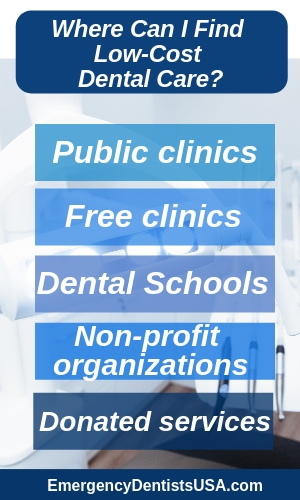
- Dental schools: Dental schools may offer reduced-cost services provided by students under the supervision of licensed dentists. Appointments can take longer, and availability varies.
- Community health centers: Federally qualified health centers and other community clinics may provide dental services, sometimes with fees based on income.
- Public dental clinics: Local or state health departments may offer services or referrals for children, adults, or people with limited income.
- Nonprofit programs: Some organizations arrange free or reduced-cost care for eligible patients. Programs often have specific requirements and limited appointment openings.
- Dental discount plans: These plans may offer reduced fees at participating offices in exchange for a membership fee. They are not insurance, so compare the terms and participating providers carefully.
Ask About Costs Before Treatment
When you call a dental office, ask whether it accepts your insurance or offers payment options. You can also request a written treatment plan that lists recommended services, estimated costs, and which procedures are most urgent. If you’re quoted a large amount, ask whether there are alternative treatment options or whether the work can be scheduled in stages.
Some offices offer payment plans or financing, but terms differ. Check for interest, fees, and missed-payment consequences before agreeing. A low monthly payment may still add up to a high total cost.
Use Preventive Care to Avoid Bigger Bills
Regular dental checkups and cleanings can help identify problems early, when treatment may be simpler. Brushing twice a day with fluoride toothpaste, cleaning between your teeth daily, and limiting frequent sugary snacks and drinks can also support oral health. If you have pain or notice a change in your mouth, contact a dental professional rather than waiting for a routine appointment.
When Dental Care Is Urgent
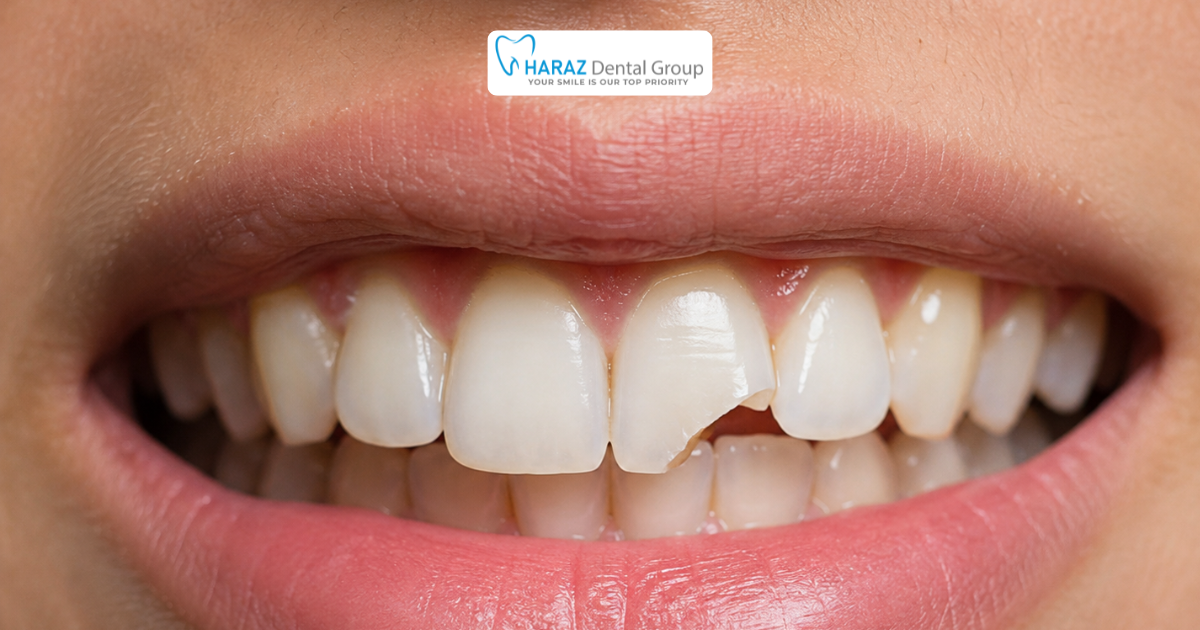
Seek prompt dental care for severe or worsening tooth pain, a broken tooth, swelling, or signs of infection. Facial swelling, difficulty breathing or swallowing, or swelling that is spreading can be an emergency. Contact emergency services or go to an emergency department if breathing or swallowing is affected.
Questions to Ask When Calling a Dentist
- Are you accepting new patients?
- Do you accept my dental insurance or offer a cash-pay rate?
- Do you provide a cost estimate before treatment?
- Are payment plans available, and what fees or interest apply?
- Do you offer urgent appointments?
- Can you refer me to a lower-cost clinic if your services are outside my budget?
Finding the Right Fit
Searching for “affordable dental care near me” is a good first step, but compare more than the advertised price. Confirm the office’s location, services, credentials, payment policies, and appointment availability. A clear estimate and a provider who explains your options can help you make an informed decision and plan for care that fits your budget.
6 Tips for Finding Affordable Dental Care Near You
- Search for community health centers with dental clinics nearby.
- Call local dental schools about reduced-cost care.
- Ask clinics about sliding-scale fees based on income.
- Compare prices and payment plans at nearby dentists.
- Check whether you qualify for Medicaid or local assistance.
- Use free dental screenings to find affordable treatment options.
Search for community health centers with dental clinics nearby.
Search for community health centers with dental clinics near you to find care that may cost less than treatment at a private practice. Many centers offer services on a sliding fee scale based on income, and some accept Medicaid or provide reduced-cost exams, cleanings, and basic treatments. Call ahead to confirm which services are available, whether you need an appointment, what documents to bring, and how fees are determined.
Call local dental schools about reduced-cost care.
Call local dental schools to ask whether they offer reduced-cost dental care. Many schools provide services through supervised students, with licensed dentists overseeing treatment. Appointments may take longer than at a private practice, and availability can vary, so ask about the services offered, eligibility, wait times, and total cost before scheduling.
Ask clinics about sliding-scale fees based on income.
When searching for affordable dental care near you, ask local clinics whether they offer sliding-scale fees based on income. These programs adjust the cost of care according to your household size and financial situation, which may make exams, cleanings, and other services more accessible. Call ahead to ask what documents you’ll need—such as proof of income or residency—and whether the clinic is accepting new patients.
Compare prices and payment plans at nearby dentists.
Compare prices and payment plans at nearby dental offices before scheduling treatment. Ask for an estimate that lists each recommended service and its cost, and check whether the office accepts your insurance, offers discounts for paying upfront, or provides payment plans. Be sure to review any interest, fees, and terms so you can compare the total cost—not just the monthly payment—and choose an option that fits your budget.
Check whether you qualify for Medicaid or local assistance.
Check whether you qualify for Medicaid or local assistance programs, which may help cover dental care at little or no cost. Dental benefits vary by state and may depend on your age, income, or other eligibility requirements, so contact your state Medicaid office or a nearby community health center to learn what services are covered and how to apply. These organizations can also connect you with local clinics or programs offering reduced-cost care.
Use free dental screenings to find affordable treatment options.
Look for free dental screenings offered by community health centers, public health departments, dental schools, and local nonprofit organizations. A screening can help identify potential problems and connect you with clinics, reduced-cost services, or payment programs in your area. Ask what the screening includes, whether follow-up care is available, and whether there are eligibility requirements. A screening is not a substitute for a full dental exam, but it can be a helpful first step toward finding care that fits your budget.