Advancing Children’s Vision: The Role of Pediatric Ophthalmology
The Importance of Pediatric Ophthalmology
Pediatric ophthalmology is a specialized branch of medicine that focuses on the eye health of children. The eyes are crucial for a child’s overall development, as they play a vital role in learning, coordination, and social interaction. Early detection and treatment of eye problems in children are essential to ensure optimal vision and prevent long-term complications.
Children may experience a variety of eye conditions that require the expertise of a pediatric ophthalmologist. Common issues include refractive errors like nearsightedness, farsightedness, and astigmatism, as well as lazy eye (amblyopia), crossed eyes (strabismus), and blocked tear ducts. Regular eye exams by a pediatric ophthalmologist can help identify these conditions early on and provide appropriate interventions.
One of the key benefits of pediatric ophthalmology is the ability to address vision problems before they impact a child’s development. Visual impairments can hinder academic performance, social interactions, and overall quality of life. By working closely with pediatric ophthalmologists, parents can ensure that their children receive timely diagnosis and treatment for any eye-related issues.
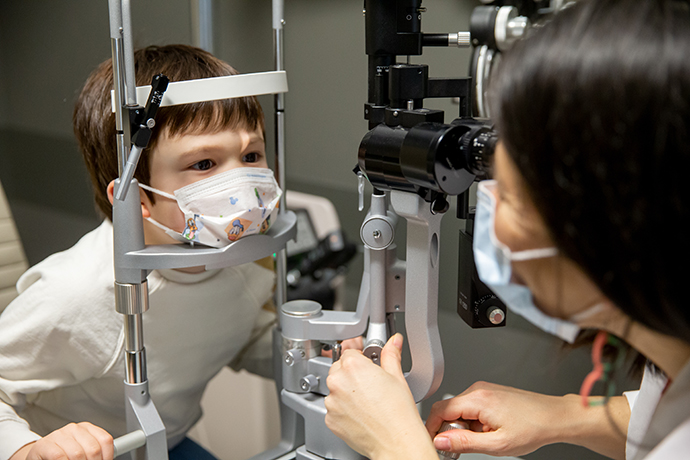
Pediatric ophthalmologists are specially trained to communicate effectively with children and create a comfortable environment for eye examinations and treatments. They use child-friendly techniques and tools to assess vision and eye health accurately. Additionally, pediatric ophthalmologists collaborate with other healthcare professionals to provide comprehensive care for children with complex medical conditions affecting their eyes.
Overall, pediatric ophthalmology plays a crucial role in safeguarding the visual health of children from infancy through adolescence. By prioritizing regular eye check-ups and seeking prompt intervention when needed, parents can support their child’s visual development and well-being. Consultation with a pediatric ophthalmologist is recommended for any concerns regarding a child’s vision or eye health.
Top 6 FAQs About Pediatric Eye Care: From First Exams to Treating Common Conditions
- What age should children have their first eye exam?
- How can I tell if my child has a vision problem?
- What are common eye conditions in children that require treatment?
- Is it normal for children to have crossed eyes, and when should I be concerned?
- How often should children see a pediatric ophthalmologist for eye exams?
- What are the treatment options available for children with lazy eye (amblyopia)?
What age should children have their first eye exam?
It is recommended that children have their first comprehensive eye exam with a pediatric ophthalmologist between the ages of 6 months and 1 year. Early detection of eye problems is crucial for ensuring healthy vision development in children. During this initial exam, the pediatric ophthalmologist will assess the child’s visual acuity, eye alignment, and overall eye health. Regular follow-up exams are then typically scheduled based on the child’s individual needs and any identified risk factors. By starting eye exams early in childhood, parents can help detect and address potential vision issues promptly, setting the foundation for optimal eye health throughout their child’s life.
How can I tell if my child has a vision problem?
Identifying potential vision problems in children can be challenging, as they may not always express visual difficulties outright. However, there are some signs that parents can watch for to determine if their child has a vision issue. Common indicators include squinting, rubbing the eyes frequently, holding objects very close to the face, tilting or turning the head when looking at objects, excessive tearing, sensitivity to light, and avoiding activities that require visual concentration. If a child displays any of these symptoms or if there are concerns about their vision, scheduling a comprehensive eye examination with a pediatric ophthalmologist is recommended to assess their visual health accurately and address any potential issues promptly.
What are common eye conditions in children that require treatment?
Common eye conditions in children that may require treatment include refractive errors such as nearsightedness, farsightedness, and astigmatism. These conditions can affect a child’s ability to see clearly and may impact their academic performance and daily activities. Lazy eye (amblyopia) is another common issue where one eye has weaker vision than the other, requiring early intervention to prevent permanent vision loss. Crossed eyes (strabismus) is a condition where the eyes do not align properly, leading to visual disturbances and potential long-term complications if left untreated. Blocked tear ducts are also frequently seen in children, causing excessive tearing and potential eye infections. Prompt diagnosis and treatment by a pediatric ophthalmologist are essential for managing these common eye conditions effectively and preserving a child’s visual health.
Is it normal for children to have crossed eyes, and when should I be concerned?
Crossed eyes, also known as strabismus, can be a common concern among children. In some cases, it is normal for infants to have occasional eye misalignment due to their developing visual system. However, persistent or frequent crossing of the eyes beyond infancy may indicate a more serious underlying issue that requires attention from a pediatric ophthalmologist. Parents should be concerned if their child’s eyes consistently appear crossed after the age of three months or if the condition worsens over time. Early detection and intervention by a pediatric ophthalmologist are crucial to address crossed eyes effectively and prevent potential vision problems in the future.
How often should children see a pediatric ophthalmologist for eye exams?
Regular eye exams by a pediatric ophthalmologist are essential for monitoring a child’s vision and eye health. It is generally recommended that children undergo their first comprehensive eye exam with a pediatric ophthalmologist as early as six months of age, followed by additional exams at ages 3 and 5. After the age of 5, children without any vision issues should have an eye exam every one to two years. However, children with existing vision problems or risk factors may need more frequent visits as recommended by their ophthalmologist. Early detection of eye conditions through routine eye exams can help ensure timely intervention and optimal visual development in children.
What are the treatment options available for children with lazy eye (amblyopia)?
Treatment options for children with lazy eye (amblyopia) typically involve a combination of strategies to improve vision in the affected eye. One common approach is patching, where the stronger eye is covered to encourage the weaker eye to work harder and develop better visual acuity. Another method is using atropine eye drops in the stronger eye to blur vision temporarily, forcing the weaker eye to become more active. Vision therapy exercises may also be recommended to strengthen eye muscles and improve coordination. In some cases, eyeglasses or contact lenses may be prescribed to correct refractive errors contributing to amblyopia. Early diagnosis and intervention are key in managing lazy eye effectively and promoting optimal visual development in children. Regular monitoring by a pediatric ophthalmologist is essential to track progress and adjust treatment as needed.