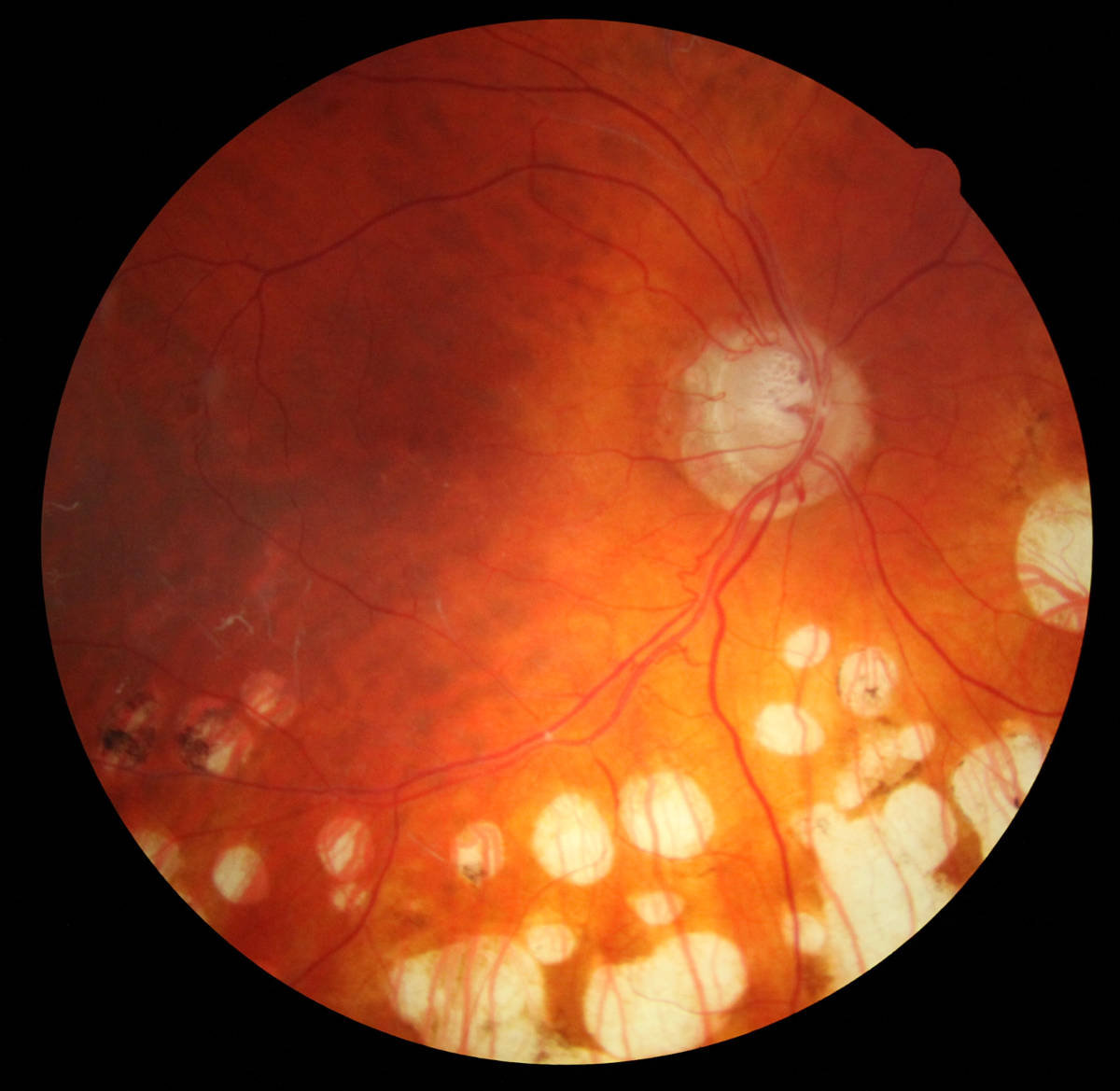
Understanding the Impact of Common Eye Diseases on Vision and Health
The Impact of Eye Diseases on Vision and Overall Health
Our eyes are not only the windows to the soul but also crucial organs that allow us to see and experience the world around us. Unfortunately, various eye diseases can affect our vision and overall well-being. Understanding these conditions is essential for early detection, treatment, and prevention.
Common Eye Diseases
Glaucoma: Glaucoma is a group of eye conditions that damage the optic nerve, often due to increased pressure within the eye. If left untreated, glaucoma can lead to permanent vision loss.
Cataracts: Cataracts cause clouding of the eye’s lens, leading to blurry vision and difficulty seeing in low light. Surgery is often required to remove cataracts and restore clear vision.
Macular Degeneration: Age-related macular degeneration affects the central part of the retina (macula), leading to a loss of central vision. Early detection and treatment are crucial in managing this condition.
Effects on Vision and Health
Eye diseases not only impact our ability to see clearly but can also have broader health implications:
- Mental Health: Vision loss can lead to feelings of isolation, depression, and anxiety.
- Mobility: Poor vision can increase the risk of falls and accidents.
- Social Interaction: Difficulty seeing may affect social interactions and quality of life.
- Cognitive Function: Visual impairment can impact cognitive abilities and overall brain health.
Prevention and Treatment
To protect your vision and overall health, it is essential to:
- Schedule Regular Eye Exams: Routine eye exams can help detect early signs of eye diseases before they progress.
- Maintain a Healthy Lifestyle: Eating a balanced diet, exercising regularly, quitting smoking, and wearing UV-protective eyewear can promote eye health.
- Familiarize Yourself with Family History: Some eye diseases have genetic links; knowing your family history can help you understand your risk factors.
- Follow Treatment Plans: If diagnosed with an eye disease, adhere to your doctor’s treatment plan to manage symptoms effectively.
In Conclusion
Educating yourself about common eye diseases, their effects on vision and overall health, as well as preventive measures is crucial in maintaining optimal eye health. By prioritizing regular eye exams, healthy lifestyle choices, and prompt treatment when necessary, you can safeguard your vision for years to come.
Comprehensive Guide to Common and Rare Eye Diseases: FAQs Answered
- What are the 6 eye conditions?
- What are the four major eye diseases?
- What are the 10 diseases of the eye?
- What are the three major eye diseases?
- What are some rare eye diseases?
- What are the 5 diseases of the eyes?
- What are the top 10 eye diseases?
What are the 6 eye conditions?
There are several common eye conditions that individuals may encounter, each with its own set of symptoms and implications for vision health. Some of the most prevalent eye conditions include cataracts, glaucoma, macular degeneration, diabetic retinopathy, dry eye syndrome, and refractive errors such as myopia (nearsightedness), hyperopia (farsightedness), and astigmatism. These conditions can impact visual acuity and overall eye health, underscoring the importance of regular eye exams and proactive measures to address any potential concerns promptly.
What are the four major eye diseases?
Four major eye diseases that significantly impact vision and overall eye health include glaucoma, cataracts, macular degeneration, and diabetic retinopathy. Glaucoma is characterized by damage to the optic nerve due to increased intraocular pressure, leading to irreversible vision loss if left untreated. Cataracts cause clouding of the eye’s lens, resulting in blurry vision and decreased visual clarity. Macular degeneration affects the macula, leading to central vision loss over time. Diabetic retinopathy is a complication of diabetes that damages blood vessels in the retina, potentially causing vision impairment or blindness if not managed effectively. Early detection and timely treatment are essential in managing these prevalent eye diseases and preserving visual function.
What are the 10 diseases of the eye?
When inquiring about the 10 diseases of the eye, it is important to note that there are numerous conditions that can affect the eyes, each with its own set of symptoms and implications. Some common eye diseases include glaucoma, cataracts, macular degeneration, diabetic retinopathy, retinal detachment, conjunctivitis (pink eye), dry eye syndrome, keratoconus, uveitis, and retinitis pigmentosa. These conditions vary in severity and can impact vision and overall eye health. Regular eye exams and prompt treatment are essential in managing these diseases effectively and preserving vision.
What are the three major eye diseases?
The three major eye diseases that significantly impact vision and overall eye health are glaucoma, cataracts, and age-related macular degeneration. Glaucoma is characterized by damage to the optic nerve due to increased intraocular pressure, leading to vision loss if left untreated. Cataracts cause clouding of the eye’s lens, resulting in blurry vision and decreased visual acuity. Age-related macular degeneration affects the macula, leading to a loss of central vision over time. Early detection, timely treatment, and proactive management strategies are essential in addressing these prevalent eye diseases and preserving optimal eye health.
What are some rare eye diseases?
Rare eye diseases encompass a diverse range of conditions that affect the eyes and vision, often presenting unique challenges in diagnosis and treatment. Conditions such as ocular melanoma, retinitis pigmentosa, and Stargardt disease are considered rare eye diseases due to their low prevalence in the general population. These conditions can have significant impacts on visual function and quality of life, highlighting the importance of early detection and specialized care from healthcare professionals with expertise in managing rare eye disorders. Understanding these uncommon conditions is essential for raising awareness, promoting research efforts, and improving outcomes for individuals affected by rare eye diseases.
What are the 5 diseases of the eyes?
There are numerous eye diseases that can affect our vision and eye health, but five common conditions include glaucoma, cataracts, macular degeneration, diabetic retinopathy, and conjunctivitis. Glaucoma is characterized by optic nerve damage due to increased eye pressure, while cataracts cause clouding of the eye’s lens. Macular degeneration affects the central part of the retina, leading to vision loss. Diabetic retinopathy is a complication of diabetes that damages blood vessels in the retina. Conjunctivitis, also known as pink eye, is an inflammation of the eye’s outermost layer. Understanding these diseases and their symptoms is crucial for early detection and effective treatment to preserve vision and overall eye health.
What are the top 10 eye diseases?
When it comes to eye diseases, there are several common conditions that individuals should be aware of. The top 10 eye diseases include glaucoma, cataracts, age-related macular degeneration, diabetic retinopathy, retinal detachment, dry eye syndrome, conjunctivitis (pink eye), keratoconus, retinitis pigmentosa, and uveitis. Each of these conditions can vary in severity and impact on vision, highlighting the importance of regular eye exams and early detection for effective management and treatment. Understanding these prevalent eye diseases can empower individuals to prioritize their eye health and take proactive steps to preserve their vision for the long term.