Exploring the Benefits and Risks of RNY Bypass Surgery for Weight Loss
The RNY Bypass Procedure: Understanding the Benefits and Risks
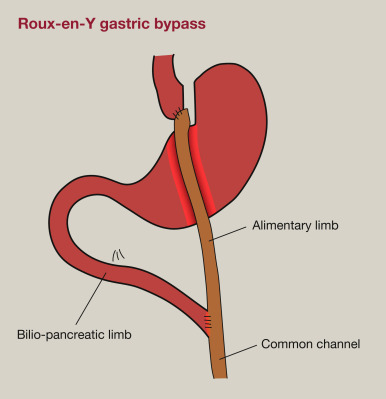
When it comes to weight loss surgery, one of the most common procedures recommended for individuals struggling with obesity is the Roux-en-Y gastric bypass, often referred to as RNY bypass. This surgical intervention involves creating a smaller stomach pouch and rerouting the digestive system to promote weight loss and improve overall health.
How Does RNY Bypass Work?
The RNY bypass procedure works by reducing the size of the stomach, limiting the amount of food that can be consumed at one time. This restriction helps patients feel full faster and consume fewer calories. Additionally, the rerouting of the intestines alters how nutrients are absorbed, leading to reduced calorie absorption and further weight loss.
Benefits of RNY Bypass
- Significant Weight Loss: Patients can expect to lose a substantial amount of weight following RNY bypass surgery, leading to improved overall health and reduced risk of obesity-related conditions.
- Resolution of Obesity-Related Health Issues: Many patients experience improvements or remission of conditions such as type 2 diabetes, high blood pressure, and sleep apnea after undergoing RNY bypass.
- Long-Term Results: Studies have shown that RNY bypass can provide long-lasting weight loss results when combined with lifestyle changes such as diet modification and regular exercise.
Risks and Considerations
While RNY bypass offers numerous benefits, it is essential to be aware of potential risks associated with the procedure. Some common risks include:
- Nutritional Deficiencies: Due to changes in nutrient absorption, patients may need to take vitamin supplements for life to prevent deficiencies.
- Dumping Syndrome: Some individuals may experience symptoms such as nausea, vomiting, sweating, and diarrhea after consuming certain foods high in sugar or fat.
- Potential Complications: As with any surgical procedure, there are risks of complications such as infection, blood clots, or leaks at surgical sites.
In Conclusion
Roux-en-Y gastric bypass surgery is a proven method for achieving significant weight loss and improving overall health for individuals struggling with obesity. While it offers numerous benefits, it is crucial for patients considering this procedure to thoroughly discuss its risks and benefits with their healthcare provider to make an informed decision about their weight loss journey.
7 Essential Tips for Success After Gastric Bypass Surgery
- Follow your doctor’s advice and attend all follow-up appointments.
- Focus on eating protein-rich foods to support healing and maintain muscle mass.
- Stay hydrated by sipping water throughout the day.
- Chew your food slowly and thoroughly to aid digestion and prevent discomfort.
- Avoid high-sugar and high-fat foods to prevent dumping syndrome and weight regain.
- Engage in regular physical activity as recommended by your healthcare team.
- Seek support from a dietitian or psychologist to address any emotional challenges related to food.
Follow your doctor’s advice and attend all follow-up appointments.
It is crucial to follow your doctor’s advice and attend all follow-up appointments after undergoing RNY bypass surgery. These appointments are essential for monitoring your progress, addressing any concerns or complications that may arise, and ensuring that you are on track with your recovery and weight loss goals. Your healthcare provider will provide valuable guidance, support, and adjustments to your treatment plan as needed, helping you achieve the best possible outcomes from the procedure. Regular follow-up visits play a vital role in ensuring your long-term success and overall well-being following RNY bypass surgery.
Focus on eating protein-rich foods to support healing and maintain muscle mass.
For individuals undergoing RNY bypass surgery, it is crucial to prioritize consuming protein-rich foods to aid in the healing process and preserve muscle mass. Protein plays a vital role in tissue repair and recovery post-surgery, helping the body rebuild and strengthen itself. Additionally, maintaining adequate protein intake can help prevent muscle loss during weight loss, ensuring that the body remains strong and functional. By focusing on incorporating sources of lean protein into their diet, individuals can support their overall health and well-being as they navigate the challenges and benefits of RNY bypass surgery.
Stay hydrated by sipping water throughout the day.
Staying hydrated is crucial for individuals who have undergone RNY bypass surgery. To maintain optimal health and aid in digestion, it is recommended to sip water throughout the day. Adequate hydration not only supports the body’s functions but also helps prevent complications such as dehydration, which can be more common after weight loss surgery. By making a habit of sipping water regularly, patients can ensure proper hydration levels and promote overall well-being post-surgery.
Chew your food slowly and thoroughly to aid digestion and prevent discomfort.
Chewing your food slowly and thoroughly is a crucial tip to keep in mind after undergoing RNY bypass surgery. This simple practice not only aids in proper digestion but also helps prevent discomfort and potential complications. By taking the time to chew food thoroughly, you can ensure that it is adequately broken down before reaching your smaller stomach pouch and digestive system, promoting better nutrient absorption and reducing the risk of digestive issues. Remember, mindful eating habits like chewing slowly can significantly contribute to your overall well-being and success following RNY bypass surgery.
Avoid high-sugar and high-fat foods to prevent dumping syndrome and weight regain.
To optimize the outcomes of Roux-en-Y gastric bypass surgery, it is crucial to adhere to dietary guidelines that emphasize avoiding high-sugar and high-fat foods. By steering clear of these types of foods, patients can effectively prevent the occurrence of dumping syndrome, a common complication characterized by symptoms like nausea, vomiting, sweating, and diarrhea. Furthermore, avoiding high-sugar and high-fat foods can help individuals maintain their weight loss achievements post-surgery and reduce the risk of weight regain. Prioritizing a balanced and nutritious diet plays a significant role in promoting long-term success and overall well-being following RNY bypass surgery.
Engage in regular physical activity as recommended by your healthcare team.
Engaging in regular physical activity as recommended by your healthcare team is crucial for maximizing the benefits of Roux-en-Y gastric bypass surgery. Physical exercise not only aids in weight loss but also contributes to improved overall health and well-being. Following a tailored exercise plan designed by healthcare professionals can help enhance the success of the procedure, promote muscle strength, increase metabolism, and support long-term weight management. By staying active and adhering to a personalized fitness regimen, patients can optimize their recovery process and achieve sustainable health outcomes post-RNY bypass surgery.
Seek support from a dietitian or psychologist to address any emotional challenges related to food.
Seeking support from a dietitian or psychologist is crucial for individuals undergoing RNY bypass surgery to address any emotional challenges related to food. The process of adjusting to a new eating regimen and lifestyle post-surgery can be overwhelming, and having professional guidance can help patients navigate these changes effectively. A dietitian can provide personalized nutritional advice and meal planning strategies, while a psychologist can offer valuable insights into coping mechanisms and behavior modifications to foster a healthy relationship with food. By proactively seeking support, patients can enhance their overall well-being and success in their weight loss journey after RNY bypass surgery.