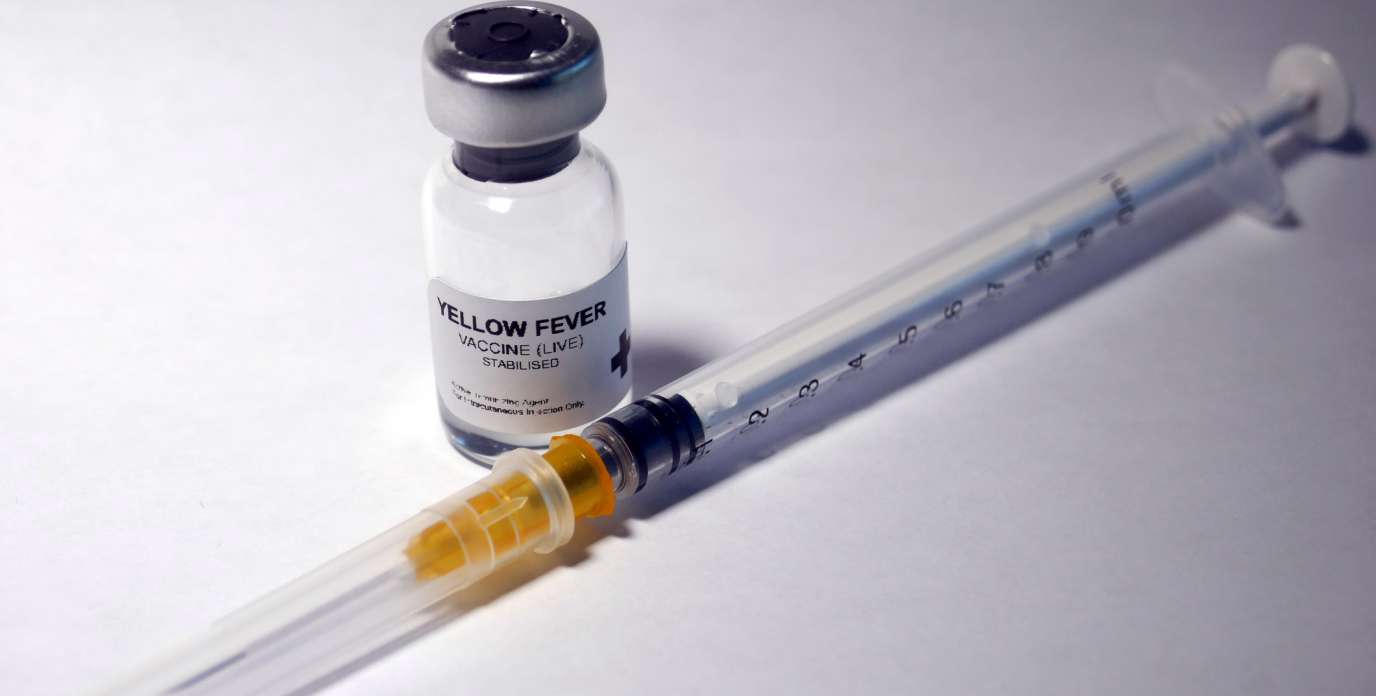
Understanding the Importance of the Yellow Fever Shot for Travelers
The Importance of Getting a Yellow Fever Shot
Yellow fever is a serious viral infection spread by mosquitoes in certain parts of the world. The yellow fever shot, also known as the yellow fever vaccine, is a crucial preventive measure to protect against this potentially life-threatening disease.
Here are some key reasons why getting a yellow fever shot is important:
- Travel Requirement: Many countries in Africa and South America require proof of yellow fever vaccination for entry. Without it, you may be denied entry or placed in quarantine.
- Disease Prevention: Yellow fever can cause severe symptoms, including high fever, jaundice, bleeding, and organ failure. Vaccination is the most effective way to prevent infection.
- Global Health Protection: By getting vaccinated, you not only protect yourself but also contribute to global efforts to control the spread of yellow fever.
- Safety during Outbreaks: During outbreaks of yellow fever, vaccination becomes even more critical to safeguard public health and prevent further transmission.
It is recommended to get the yellow fever shot at least 10 days before traveling to an at-risk area to ensure full immunity. The vaccine provides long-lasting protection and is generally safe for most individuals.
If you are planning a trip to a region where yellow fever is endemic, consult with a healthcare provider or travel medicine specialist to determine if the yellow fever shot is necessary for your travel itinerary. Protect yourself and others by staying informed and taking proactive steps to prevent yellow fever.
Top 5 Benefits of Getting the Yellow Fever Vaccine
- Highly effective in preventing yellow fever infection
- Required for entry into many countries with risk of yellow fever
- Contributes to global health efforts by controlling disease spread
- Provides long-lasting immunity against yellow fever
- Recommended for travelers to regions where yellow fever is endemic
Considerations and Challenges of the Yellow Fever Vaccine: Potential Side Effects, Accessibility, and Cost
- Possible mild side effects such as fever, headache, and muscle pain
- Rare but serious allergic reactions may occur after vaccination
- Not recommended for certain individuals with specific medical conditions or allergies
- Vaccine availability may be limited in some regions, leading to challenges in obtaining the shot
- Cost of the yellow fever shot can be a barrier for some travelers
Highly effective in preventing yellow fever infection
The yellow fever shot is highly effective in preventing yellow fever infection, providing robust protection against this serious viral disease. By stimulating the body’s immune response to the yellow fever virus, the vaccine helps the immune system recognize and fight off the virus if exposed in the future. This high level of effectiveness not only safeguards individuals who receive the vaccine but also contributes to broader public health efforts in controlling and preventing the spread of yellow fever, making it a crucial tool in disease prevention strategies.
Required for entry into many countries with risk of yellow fever
One significant advantage of the yellow fever shot is that it is mandatory for entry into many countries where there is a risk of yellow fever transmission. By requiring proof of vaccination, these countries are taking proactive measures to protect public health and prevent the spread of the disease within their borders. This regulation not only safeguards travelers from potential infection but also helps control the global spread of yellow fever by minimizing the risk of importing cases from high-risk regions. Getting the yellow fever shot not only ensures compliance with entry requirements but also contributes to a safer and healthier travel experience for individuals visiting at-risk areas.
Contributes to global health efforts by controlling disease spread
The yellow fever shot plays a crucial role in contributing to global health efforts by effectively controlling the spread of the disease. By getting vaccinated against yellow fever, individuals not only protect themselves but also help prevent the transmission of the virus on a larger scale. This proactive measure aids in maintaining public health, reducing the risk of outbreaks, and supporting worldwide initiatives to combat infectious diseases. Vaccination against yellow fever is a vital component of global health strategies aimed at safeguarding populations and promoting overall well-being across borders.
Provides long-lasting immunity against yellow fever
The yellow fever shot offers a significant advantage by providing long-lasting immunity against yellow fever. This means that individuals who receive the vaccine can enjoy protection from the disease for an extended period, reducing the risk of infection and its potentially severe consequences. By offering sustained immunity, the yellow fever shot not only safeguards individual health but also contributes to broader public health efforts in controlling the spread of this serious viral infection.
Recommended for travelers to regions where yellow fever is endemic
One significant advantage of the yellow fever shot is that it is highly recommended for travelers visiting regions where yellow fever is endemic. This preventive measure helps protect individuals from contracting the disease in areas where the risk of infection is high due to the presence of infected mosquitoes. By receiving the yellow fever vaccine before traveling to these at-risk regions, travelers can significantly reduce their chances of becoming infected and experiencing severe symptoms associated with yellow fever. It provides a crucial layer of defense for individuals exploring destinations where the disease poses a threat, ensuring a safer and healthier travel experience.
Possible mild side effects such as fever, headache, and muscle pain
One potential drawback of the yellow fever shot is the occurrence of mild side effects, including fever, headache, and muscle pain. While these symptoms are usually temporary and resolve on their own within a few days, they can still cause discomfort and inconvenience for some individuals. It is important to be aware of these possible side effects when considering vaccination for yellow fever and to consult with a healthcare provider if you have any concerns or experience persistent symptoms after receiving the shot.
Rare but serious allergic reactions may occur after vaccination
Rare but serious allergic reactions may occur after receiving the yellow fever shot. While the risk of such reactions is low, it is essential to be aware of the potential for severe allergic responses, including anaphylaxis, after vaccination. Individuals with a history of severe allergies to any component of the yellow fever vaccine should consult with a healthcare provider before getting vaccinated. Monitoring for signs of allergic reactions following vaccination is crucial to ensure prompt medical intervention if needed. Despite the rarity of these events, being informed about the possibility of serious allergic reactions is important for making well-informed decisions regarding yellow fever vaccination.
Not recommended for certain individuals with specific medical conditions or allergies
The yellow fever shot may not be recommended for certain individuals with specific medical conditions or allergies, posing a con for those who fall into this category. People with compromised immune systems, pregnant women, infants under the age of 6 months, and individuals with severe egg allergies are typically advised against receiving the yellow fever vaccine due to potential health risks. It is crucial for such individuals to consult with healthcare providers to explore alternative options or assess the risks versus benefits of vaccination.
Vaccine availability may be limited in some regions, leading to challenges in obtaining the shot
In some regions, a significant con of the yellow fever shot is the limited availability of the vaccine. This scarcity can pose challenges for individuals seeking to obtain the shot, especially in remote or underserved areas where healthcare infrastructure may be lacking. Limited vaccine availability may result in delays or difficulties in accessing the necessary immunization before traveling to yellow fever-endemic regions, potentially putting individuals at risk of contracting the disease. Addressing this issue requires improved distribution channels, increased awareness, and collaborative efforts to ensure broader access to the yellow fever vaccine for those who need it.
Cost of the yellow fever shot can be a barrier for some travelers
The cost of the yellow fever shot can present a significant barrier for some travelers seeking protection against the disease. The expense of obtaining the vaccine, especially for individuals without comprehensive health insurance coverage or traveling on a tight budget, may deter them from getting vaccinated. This financial burden can potentially put travelers at risk of contracting yellow fever in endemic regions where the vaccine is recommended. Efforts to address the affordability of the yellow fever shot are crucial to ensuring that all individuals have access to essential preventive healthcare measures regardless of their financial circumstances.