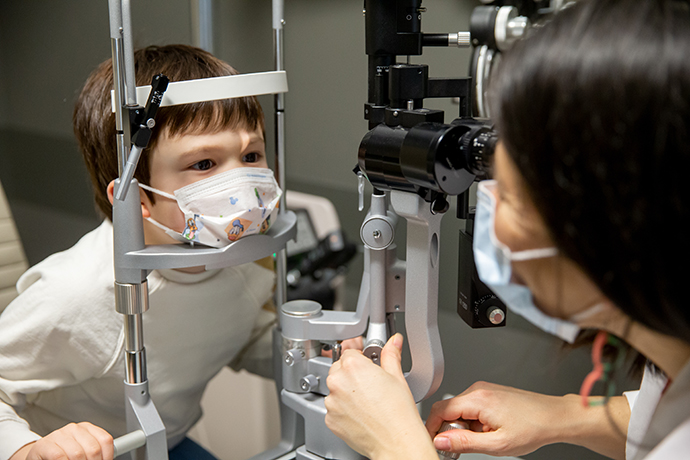
How to Choose the Right Pediatric Eye Dr for Your Child
How to Choose a Pediatric Eye Doctor
A child’s vision plays an important role in learning, development, and everyday activities. A pediatric eye doctor can assess a child’s vision and eye health, identify concerns, and recommend appropriate care. If you’re searching for a “pediatric eye dr,” understanding the types of providers and what to expect can help you find the right fit for your family.
What Is a Pediatric Eye Doctor?
“Pediatric eye doctor” is a general term for an eye-care professional who evaluates children. The right provider may depend on your child’s needs:
- Pediatric optometrist: Examines vision and eye health, prescribes glasses or contact lenses when appropriate, and may manage certain eye conditions.
- Pediatric ophthalmologist: A medical doctor who specializes in eye care for children. They can diagnose and treat eye diseases and perform eye surgery when needed.
- Optician: Helps fit and dispense glasses or contact lenses based on a prescription. Opticians generally do not perform eye exams or diagnose eye conditions.
Your child’s pediatrician can often recommend a provider or help determine whether a specialist is needed.
When Should a Child See an Eye Doctor?
Children should have their vision checked as part of routine health care. A screening at a pediatrician’s office can identify some concerns, but it is not the same as a comprehensive eye exam. An eye doctor may recommend a full exam if a screening suggests a possible issue, if there is a family history of certain eye conditions, or if you notice changes in your child’s vision or eye appearance.
Consider contacting an eye-care professional if your child:
- Frequently squints, closes one eye, or tilts their head to see
- Holds books or screens unusually close
- Has trouble seeing the board or following objects
- Complains of headaches, blurry vision, or eye discomfort
- Has eyes that appear misaligned or do not move together
- Struggles with reading or other close-up tasks
These signs can have several causes, and they do not necessarily mean a child has an eye condition. An exam can help clarify what’s going on.
What Happens During a Pediatric Eye Exam?
A pediatric eye exam is adapted to a child’s age and ability to communicate. The provider may ask about your child’s health, development, family history, and any vision concerns. The exam may include tests of visual acuity, eye alignment, focusing, eye movement, and the health of the structures inside the eye.
Some children may receive eye drops to help the doctor examine the eyes or measure focusing more accurately. If drops are used, your child’s vision may be blurry or light-sensitive for a short time. The office can explain what to expect and how to prepare.
Common Childhood Vision Concerns
Pediatric eye doctors evaluate a range of vision and eye-health issues, including:
- Refractive errors: Nearsightedness, farsightedness, or astigmatism that may affect how clearly a child sees.
- Amblyopia: Reduced vision in one eye that can develop when the eyes or brain do not work together normally.
- Strabismus: A condition in which the eyes are not properly aligned.
- Eye infections or inflammation: Problems that may cause redness, irritation, discharge, or discomfort.
Only a qualified provider can determine whether a child has one of these conditions and recommend care.
How to Find the Right Pediatric Eye Doctor
When comparing providers, consider their training and experience with children, the services offered, office location, insurance coverage, and appointment availability. It can also help to ask how the office supports children who feel nervous about exams and whether the provider coordinates care with your child’s pediatrician or school when appropriate.
Look for a licensed eye-care professional and ask questions about any recommended tests, treatment options, and follow-up visits. A good visit should give you a clear explanation of your child’s needs and the next steps.
Supporting Your Child’s Eye Health
Routine vision checks, protective eyewear for sports, and prompt attention to new symptoms can all support a child’s eye health. Encourage regular breaks during extended screen use and make sure your child has appropriate lighting for reading and schoolwork. These habits do not replace professional eye care, but they can be part of a healthy routine.
If you’re concerned about your child’s vision, contact a pediatric eye doctor or your child’s health care provider. Seek prompt medical attention for a sudden change in vision, a serious eye injury, severe eye pain, or other urgent symptoms.
5 Benefits of Choosing a Pediatric Eye Doctor
- Specialized care for children’s developing eyes
- Kid-friendly exams help ease anxiety
- Early detection of vision problems
- Guidance on glasses and eye health
- Care tailored to each child’s needs
5 Drawbacks of Visiting a Pediatric Eye Doctor
- Appointments may be difficult to schedule.
- Specialist visits can be costly.
- Some exams may feel intimidating to children.
- Eye drops can cause temporary blurry vision.
- Specialists may be far from home.
Specialized care for children’s developing eyes
A pediatric eye doctor is trained to care for children’s developing eyes and understands how vision changes as kids grow. They use age-appropriate exams and can recognize concerns that may affect visual development, learning, and everyday activities. This specialized approach helps make eye care more comfortable for children and supports timely evaluation when further care is needed.
Kid-friendly exams help ease anxiety
A pediatric eye doctor knows how to make exams feel comfortable and approachable for children. Kid-friendly language, engaging tools, and a gentle pace can help reduce anxiety and make it easier for young patients to participate. When children feel at ease, the exam can be a more positive experience for the whole family.
Early detection of vision problems
A pediatric eye doctor can identify vision problems early, sometimes before a child is able to explain what they’re experiencing. Early detection of concerns such as refractive errors, eye misalignment, or reduced vision in one eye can help families seek appropriate care sooner. Timely evaluation may support healthy visual development and help children see more comfortably at home, in school, and during play.
Guidance on glasses and eye health
A pediatric eye doctor can guide families in choosing glasses that meet a child’s vision needs, fit comfortably, and hold up to everyday activities. They can explain prescriptions, recommend suitable frames or lenses, and show children how to care for their glasses. During visits, the doctor can also answer questions about eye health and share practical advice for supporting healthy vision as a child grows.
Care tailored to each child’s needs
A pediatric eye doctor tailors care to each child’s age, development, vision needs, and comfort level. Because children may respond differently to exams and treatment, the doctor can use age-appropriate techniques, explain each step in a reassuring way, and recommend options suited to the child. This personalized approach can help children feel more comfortable while ensuring their vision and eye health receive the attention they need.
Appointments may be difficult to schedule.
Appointments with a pediatric eye doctor may be difficult to schedule, especially in areas with few specialists or during busy seasons such as back-to-school time. Families may face long wait times, limited appointment options, or the need to travel farther to find a provider who treats children. Planning ahead and asking about cancellations or alternate locations may help make scheduling easier.
Specialist visits can be costly.
Specialist visits with a pediatric eye doctor can be costly, especially if your child needs follow-up appointments, specialized testing, or treatment that isn’t fully covered by insurance. Before scheduling, check your plan’s benefits, ask about copays and out-of-pocket costs, and find out whether the office offers payment plans or other financial assistance.
Some exams may feel intimidating to children.
Some pediatric eye exams may feel intimidating to children, especially if they’re unfamiliar with the equipment, bright lights, or eye drops. A child may feel nervous about answering questions or sitting still during testing. Choosing a provider experienced in working with kids can help make the visit more comfortable; parents can also prepare their child by explaining what to expect in a calm, reassuring way.
Eye drops can cause temporary blurry vision.
Eye drops used during a pediatric eye exam can temporarily blur a child’s vision and make their eyes more sensitive to light. These effects usually wear off, but they may make reading, using screens, or returning to school less comfortable for a short time. Ask the eye doctor how long the effects may last and whether your child should bring sunglasses or avoid activities that require clear vision right after the appointment.
Specialists may be far from home.
One drawback of seeing a pediatric eye doctor is that specialists may be located far from home, especially in rural areas or smaller communities. Longer travel can make appointments harder to fit around school, work, and family schedules, and may add transportation costs. Follow-up visits can be challenging too, so it may help to ask the specialist about appointment frequency, telehealth options, or local providers who can support your child’s care.