Empowering Mobility: The Journey of Knee Replacement Surgery
Knee Replacement: Restoring Mobility and Quality of Life
Knee replacement surgery, also known as knee arthroplasty, is a common procedure aimed at relieving pain and restoring function in individuals with severe knee joint damage. This surgical intervention is typically recommended for patients with advanced arthritis or significant knee injuries that have not responded to conservative treatments.
Understanding the Procedure
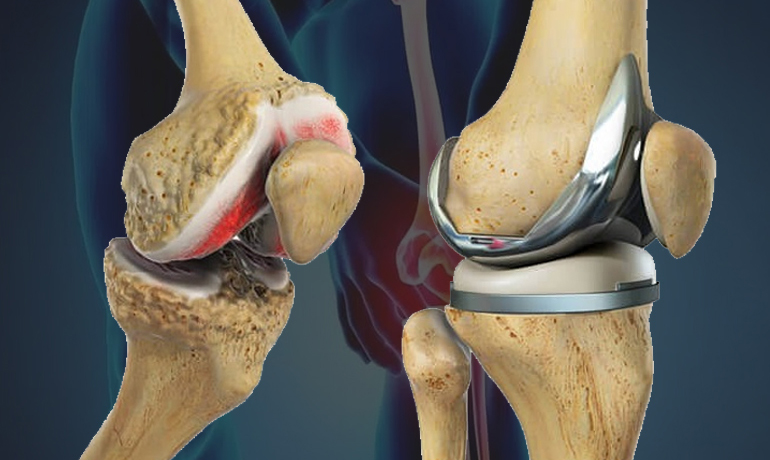
During a knee replacement surgery, the damaged or diseased parts of the knee joint are replaced with artificial components made of metal, plastic, or ceramic materials. The surgery can involve replacing the entire knee joint (total knee replacement) or only the damaged parts (partial knee replacement).
Benefits of Knee Replacement
- Relief from chronic knee pain
- Improved mobility and range of motion
- Enhanced quality of life and ability to perform daily activities
- Long-term durability and functionality of the artificial joint
Recovery and Rehabilitation
After knee replacement surgery, patients undergo a structured rehabilitation program to regain strength, flexibility, and function in the affected knee. Physical therapy, exercises, and lifestyle modifications are essential components of the recovery process.
Potential Risks and Complications
While knee replacement surgery is generally safe and effective, like any surgical procedure, it carries certain risks. These may include infection, blood clots, implant failure, stiffness, or nerve damage. It is important for patients to discuss these risks with their healthcare provider before undergoing surgery.
Conclusion
Knee replacement surgery has transformed the lives of countless individuals suffering from debilitating knee conditions. By restoring mobility and alleviating pain, this procedure offers hope for a better quality of life. If you are considering knee replacement surgery, consult with your healthcare provider to determine if it is the right option for you.
Top 5 Frequently Asked Questions About Knee Replacement Surgery
- What is knee replacement surgery?
- Who is a candidate for knee replacement?
- What are the risks and complications associated with knee replacement?
- How long does it take to recover from knee replacement surgery?
- What activities should be avoided after undergoing a knee replacement?
What is knee replacement surgery?
Knee replacement surgery, also known as knee arthroplasty, is a medical procedure designed to alleviate chronic pain and restore function in individuals with severe knee joint damage. During the surgery, the damaged portions of the knee joint are replaced with artificial components made of durable materials such as metal, plastic, or ceramic. This procedure aims to improve mobility, reduce discomfort, and enhance the overall quality of life for patients suffering from conditions like arthritis or significant knee injuries that have not responded to other treatments. By replacing the diseased joint with prosthetic components, knee replacement surgery offers a long-term solution for individuals seeking relief from debilitating knee issues.
Who is a candidate for knee replacement?
Individuals who are candidates for knee replacement surgery typically experience severe knee pain, stiffness, and limited mobility that significantly impairs their quality of life. Common conditions that may warrant knee replacement include advanced osteoarthritis, rheumatoid arthritis, post-traumatic arthritis, or a previous knee injury that has not responded to conservative treatments. Candidates for knee replacement are those who have exhausted non-surgical options such as medication, physical therapy, and lifestyle modifications without experiencing significant relief. It is essential for individuals considering knee replacement to consult with a healthcare provider to assess their specific condition and determine if surgery is the most appropriate course of action to alleviate their symptoms and improve their overall function.
What are the risks and complications associated with knee replacement?
Knee replacement surgery, while a highly effective treatment for severe knee conditions, does come with certain risks and potential complications. Some of the risks associated with knee replacement include infection at the surgical site, blood clots that can form in the legs and travel to the lungs (pulmonary embolism), implant loosening or failure over time, stiffness in the knee joint, nerve damage leading to numbness or weakness, and persistent pain. It is crucial for individuals considering knee replacement to have a thorough discussion with their healthcare provider about these potential risks and complications to make an informed decision about their treatment options.
How long does it take to recover from knee replacement surgery?
The recovery period following knee replacement surgery varies for each individual, depending on factors such as overall health, age, and adherence to rehabilitation protocols. Generally, patients can expect to see significant improvement in mobility and pain relief within the first few weeks after surgery. Full recovery may take several months, with most individuals returning to normal activities within 3 to 6 months post-surgery. It is crucial for patients to follow their healthcare provider’s guidance on post-operative care, physical therapy, and exercise routines to optimize the recovery process and achieve the best possible outcomes.
What activities should be avoided after undergoing a knee replacement?
After undergoing a knee replacement surgery, it is important to avoid high-impact activities that put excessive stress on the new joint. Activities such as running, jumping, or participating in contact sports should be avoided to prevent damage to the artificial knee and reduce the risk of complications. Additionally, twisting or pivoting movements should be minimized to protect the stability of the joint. It is advisable to consult with your healthcare provider or physical therapist for personalized guidance on which activities are safe and beneficial for your specific recovery process post knee replacement surgery.