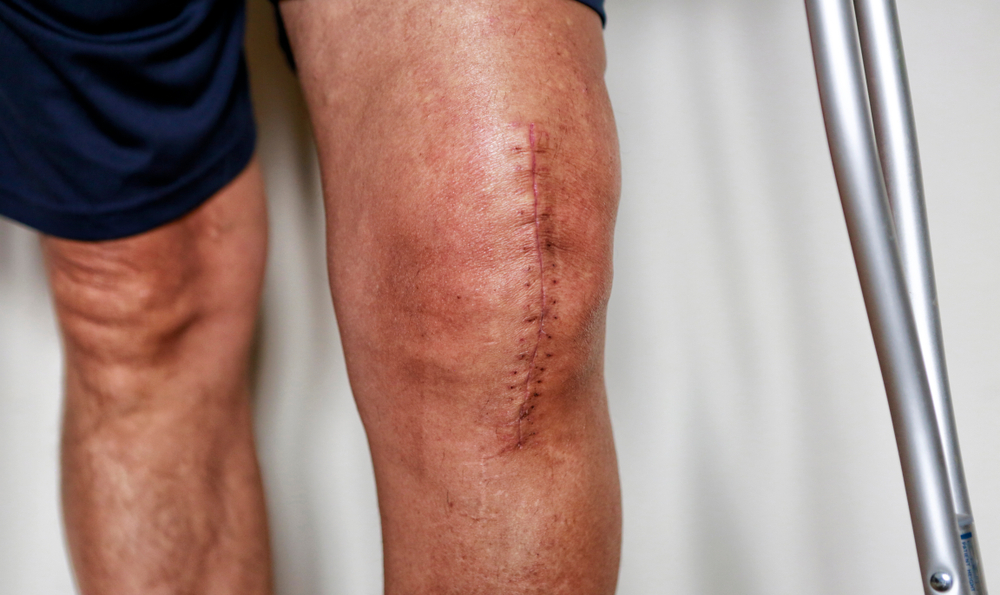
Exploring the Benefits of Full Knee Replacement Surgery
Understanding Full Knee Replacement Surgery
Full knee replacement surgery, also known as total knee arthroplasty, is a common procedure performed to treat severe knee arthritis or significant knee joint damage. This surgical intervention involves replacing the damaged or worn-out parts of the knee joint with artificial components to reduce pain and improve mobility.
Reasons for Full Knee Replacement:
- Severe osteoarthritis
- Rheumatoid arthritis
- Post-traumatic arthritis
- Knee deformities
- Failure of previous knee surgeries
The Procedure:
In a full knee replacement surgery, the orthopedic surgeon removes the damaged cartilage and bone from the surface of the knee joint and replaces it with metal and plastic components that mimic the natural function of the knee. The surgery typically takes a few hours and is performed under general anesthesia.
Recovery:
After surgery, patients undergo physical therapy to regain strength and range of motion in the knee. It may take several weeks to months for full recovery, depending on individual factors such as age, overall health, and adherence to rehabilitation exercises.
Potential Risks:
- Infection
- Blood clots
- Nerve damage
- Implant failure
- Persistent pain or stiffness
Conclusion:
Full knee replacement surgery can be a life-changing procedure for individuals suffering from chronic knee pain and mobility issues. It is essential to consult with a qualified orthopedic surgeon to determine if this procedure is suitable for your specific condition. With proper care and rehabilitation, many patients experience significant improvement in their quality of life after undergoing full knee replacement surgery.
8 Essential Tips for a Successful Full Knee Replacement Recovery
- Follow your doctor’s pre-operative instructions carefully.
- Prepare your home before surgery for a comfortable recovery.
- Engage in physical therapy to aid in rehabilitation.
- Take pain medication as prescribed to manage discomfort.
- Avoid high-impact activities that may stress the new knee joint.
- Attend follow-up appointments with your healthcare provider.
- Inform medical professionals of any unusual symptoms or concerns post-surgery.
- Maintain a healthy weight to reduce strain on the replaced knee.
Follow your doctor’s pre-operative instructions carefully.
It is crucial to follow your doctor’s pre-operative instructions carefully when preparing for a full knee replacement surgery. These instructions are designed to optimize your health and well-being before the procedure, ensuring that you are in the best possible condition for surgery. By adhering to your doctor’s guidance regarding medications, dietary restrictions, and lifestyle adjustments, you can help minimize potential risks and complications during the operation. Trusting and following your doctor’s advice will contribute to a smoother surgical experience and better outcomes in your recovery journey.
Prepare your home before surgery for a comfortable recovery.
Preparing your home before undergoing full knee replacement surgery is crucial for a comfortable and smooth recovery process. Making simple adjustments, such as arranging furniture to create clear pathways, installing handrails in key areas, and setting up a comfortable resting area on the ground floor can significantly enhance your post-surgery experience. By creating a safe and accessible environment at home, you can focus on your rehabilitation and recovery without unnecessary obstacles or challenges. Taking the time to prepare your living space beforehand ensures that you can return from the hospital to a supportive and accommodating setting that promotes healing and well-being.
Engage in physical therapy to aid in rehabilitation.
Engaging in physical therapy is crucial for aiding in the rehabilitation process following a full knee replacement surgery. Physical therapy helps improve strength, flexibility, and range of motion in the knee joint, facilitating a faster and more effective recovery. Through tailored exercises and guidance from a professional therapist, patients can regain mobility, reduce pain, and enhance overall function in their knee. Consistent participation in physical therapy sessions plays a significant role in optimizing the outcomes of full knee replacement surgery and promoting long-term joint health.
Take pain medication as prescribed to manage discomfort.
To effectively manage discomfort following a full knee replacement surgery, it is crucial to take pain medication as prescribed by your healthcare provider. Proper pain management not only helps alleviate post-operative pain but also facilitates the rehabilitation process by enabling you to engage in necessary physical therapy and activities essential for a successful recovery. By following your prescribed pain medication regimen, you can enhance your comfort level and optimize your overall healing journey after undergoing a full knee replacement procedure.
Avoid high-impact activities that may stress the new knee joint.
After undergoing a full knee replacement surgery, it is crucial to avoid engaging in high-impact activities that could exert excessive stress on the newly replaced knee joint. These activities, such as running, jumping, or participating in contact sports, can compromise the longevity and functionality of the artificial knee components. By steering clear of high-impact movements and opting for low-impact exercises like swimming or cycling instead, individuals can protect their new knee joint and promote a smoother recovery process. It is essential to follow the post-operative guidelines provided by healthcare professionals to ensure optimal healing and long-term success of the knee replacement surgery.
Attend follow-up appointments with your healthcare provider.
Attending follow-up appointments with your healthcare provider is crucial after undergoing a full knee replacement procedure. These appointments allow your healthcare team to monitor your recovery progress, assess the healing of the surgical site, and address any concerns or complications that may arise. Regular follow-up visits also provide an opportunity to discuss rehabilitation exercises, pain management strategies, and overall recovery goals. By actively participating in these appointments, you can ensure that you receive the necessary support and guidance to optimize the outcomes of your full knee replacement surgery.
Inform medical professionals of any unusual symptoms or concerns post-surgery.
It is crucial to promptly inform medical professionals of any unusual symptoms or concerns that may arise post full knee replacement surgery. This proactive approach allows healthcare providers to address potential complications or issues promptly, ensuring the best possible outcome for the patient’s recovery. Common signs to watch out for include excessive pain, swelling, redness, warmth around the surgical site, fever, persistent numbness or tingling, and difficulty moving the knee joint. Open communication with medical professionals can help in early detection and management of any post-surgery complications, promoting a smoother and successful rehabilitation process.
Maintain a healthy weight to reduce strain on the replaced knee.
Maintaining a healthy weight is crucial for individuals who have undergone full knee replacement surgery. Excess body weight can put unnecessary strain on the replaced knee joint, potentially leading to complications and decreased longevity of the artificial components. By managing a healthy weight through a balanced diet and regular exercise, patients can reduce pressure on the knee joint, promote better healing, and enhance the overall success of the surgical intervention. Prioritizing weight management as part of post-operative care can contribute significantly to the long-term functionality and comfort of the replaced knee, allowing individuals to enjoy improved mobility and quality of life.