Affordable Dental Care: How to Find Quality Treatment at a Price You Can Manage
Affordable Dental Care: How to Find Quality Treatment at a Price You Can Manage
Dental care is an important part of overall health, but the cost of treatment can make it difficult to get the care you need. Whether you’re looking for a routine cleaning, a filling, or a more complex procedure, there are ways to make dental care more affordable without overlooking quality and safety.
Why Dental Care Costs Vary
The price of dental treatment depends on several factors, including the type of procedure, the materials used, the provider’s experience, and where the clinic is located. A basic exam and cleaning generally cost less than procedures such as crowns, implants, or root canals. Your oral health and the amount of treatment required can also affect the final cost.
Before agreeing to treatment, ask for a written estimate that explains each recommended service and its price. If you’re unsure whether a procedure is necessary, you can ask your dentist to explain the benefits, risks, and alternatives. For extensive treatment, a second opinion may help you make an informed decision.
Ways to Make Dental Care More Affordable
- Compare local options: Request estimates from more than one licensed dental provider. Compare what each estimate includes, not just the total price.
- Ask about payment plans: Some practices offer monthly payments or other financing options. Review the terms carefully, including interest and fees.
- Check your dental benefits: If you have dental insurance, confirm which procedures are covered, whether you need a referral, and how much you may owe.
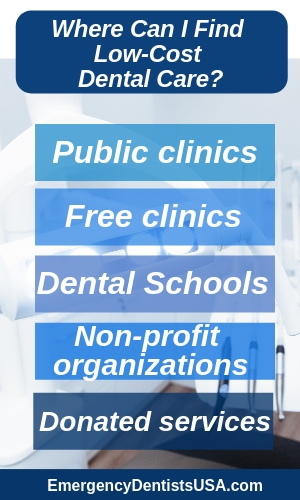
- Look for community resources: Community health centers, dental schools, and nonprofit clinics may offer reduced-cost services. Availability and eligibility vary by location.
- Prioritize preventive care: Regular exams, cleanings, and daily brushing and flossing can help identify problems early and may reduce the need for more extensive treatment.
Considering Dental Treatment Abroad?
Some people explore dental care in another country because prices may differ from those at home. If you consider this option, look beyond the advertised price. Ask who will provide the treatment, what qualifications they hold, what materials will be used, and how follow-up care will be handled after you return home.
Request a detailed treatment plan and written cost breakdown before traveling. Include travel, lodging, meals, local transportation, and possible return visits in your budget. Also consider what you would do if treatment needs adjustment or a complication arises. A lower initial price may not represent the full cost of care.
Questions to Ask Before Treatment
- What treatment do you recommend, and why?
- Are there less costly alternatives that are appropriate for my situation?
- What is included in the estimate, and what could add to the cost?
- Who will perform the treatment, and what are their qualifications?
- What follow-up care will I need?
- What happens if I have a problem after the procedure?
Choose Value, Not Just the Lowest Price
Affordable dental care should still meet appropriate standards for safety, clear communication, and professional treatment. Be cautious of offers that promise unusually low prices without explaining what is included. Confirm that the provider is properly licensed, ask about infection-control practices, and make sure you understand the treatment plan before moving forward.
With careful research and open conversations with dental professionals, it’s possible to explore treatment options that fit your needs and budget. The right choice is one that balances cost, quality, safety, and reliable follow-up care.
6 Tips for Affordable Dental Care
- Compare prices at several dental offices.
- Ask about payment plans or discounts.
- Check whether you qualify for Medicaid or CHIP.
- Look for dental schools with reduced-cost care.
- Use preventive visits to avoid costly problems.
- Review your insurance network before booking.
Compare prices at several dental offices.
Compare prices at several dental offices before choosing a provider. Ask each office for a written estimate that lists the recommended procedures, materials, and any additional fees so you can compare the full cost—not just the starting price. Also consider the dentist’s qualifications, the quality of care, and follow-up services; the lowest estimate may not always offer the best value.
Ask about payment plans or discounts.
Ask your dental office whether it offers payment plans, financing options, or discounts for paying upfront or completing multiple treatments. Breaking a bill into manageable monthly payments may make needed care easier to budget for, while available discounts can lower your out-of-pocket costs. Before agreeing, ask for the full terms in writing, including any interest, fees, eligibility requirements, and what services are covered.
Check whether you qualify for Medicaid or CHIP.
Check whether you or your family qualify for Medicaid or the Children’s Health Insurance Program (CHIP). Depending on your state and eligibility, these programs may cover some dental services for adults and comprehensive dental care for children, including preventive visits and treatment. Contact your state Medicaid or CHIP office, or visit its official website, to learn about eligibility, covered services, and how to apply.
Look for dental schools with reduced-cost care.
Dental schools can be a good option for reduced-cost dental care. Treatment is typically provided by dental students under the supervision of licensed dentists and faculty, so appointments may take longer than at a private practice. Services, costs, and eligibility vary by school, so contact the clinic to ask what care is available, how to schedule an appointment, and whether it accepts your insurance or offers payment options.
Use preventive visits to avoid costly problems.
Regular preventive dental visits can help you catch small issues—such as early tooth decay or gum disease—before they require more complex and costly treatment. Routine exams and cleanings also give your dental team a chance to recommend care tailored to your needs. Staying consistent with checkups, brushing twice a day, and flossing daily can help protect both your oral health and your budget.
Review your insurance network before booking.
Before booking a dental appointment, review your insurance plan’s provider network to see which dentists are covered. Choosing an in-network dentist may help lower your out-of-pocket costs, while seeing an out-of-network provider could mean higher fees or reduced coverage. Confirm the dentist’s network status directly with both the office and your insurance company, and ask about your expected copay, deductible, and coverage for the services you need.