Enhancing Mobility: The Journey of Total Knee Replacement Surgery
Total Knee Replacement: Restoring Mobility and Quality of Life
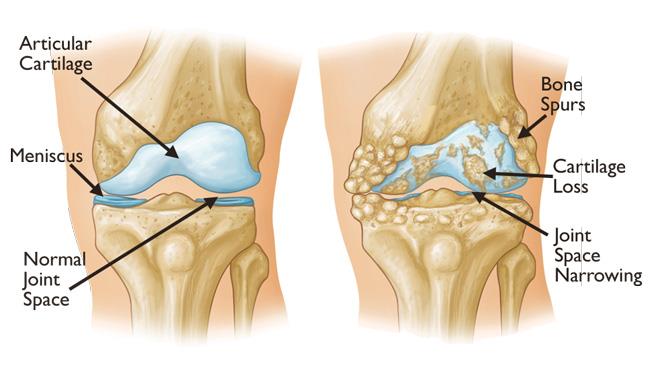
Total knee replacement surgery, also known as total knee arthroplasty, is a common procedure performed to alleviate severe knee pain and restore function in individuals with advanced arthritis or knee injuries. This surgical intervention involves replacing damaged or worn-out parts of the knee joint with artificial components to improve mobility and enhance quality of life.
Understanding the Procedure
During a total knee replacement surgery, the orthopedic surgeon removes damaged cartilage and bone from the knee joint and replaces it with prosthetic components made of metal, plastic, or a combination of both. The procedure aims to reduce pain, improve joint stability, correct deformities, and restore normal function in the knee.
Who Needs Total Knee Replacement?
Total knee replacement is recommended for individuals suffering from:
- Severe osteoarthritis
- Rheumatoid arthritis
- Post-traumatic arthritis
- Knee deformities
- Knee injuries
Benefits of Total Knee Replacement
The benefits of total knee replacement surgery include:
- Pain relief
- Improved mobility and function
- Enhanced quality of life
- Correction of deformities
- Long-term durability of artificial joints
Recovery and Rehabilitation
After surgery, patients undergo a comprehensive rehabilitation program to regain strength, flexibility, and range of motion in the affected knee. Physical therapy, exercises, and lifestyle modifications are essential components of the recovery process to ensure optimal outcomes.
Risks and Complications
While total knee replacement is generally safe and effective, there are potential risks and complications associated with the procedure. These may include infection, blood clots, implant loosening, nerve damage, stiffness, or allergic reactions to implant materials. It is important for patients to discuss these risks with their healthcare provider before undergoing surgery.
Conclusion
Total knee replacement surgery offers a viable solution for individuals suffering from debilitating knee conditions that impact their daily lives. By restoring mobility and function in the knee joint, this procedure can significantly improve quality of life and enable patients to return to their normal activities with reduced pain and increased independence.
5 Essential Tips for a Successful Total Knee Replacement Recovery
- Follow your doctor’s pre-operative instructions carefully.
- Engage in physical therapy as recommended by your healthcare provider.
- Take pain medication as prescribed to manage post-operative discomfort.
- Stay active within the limits set by your healthcare team to aid in recovery.
- Attend all follow-up appointments to monitor progress and address any concerns.
Follow your doctor’s pre-operative instructions carefully.
It is crucial to follow your doctor’s pre-operative instructions carefully when preparing for total knee replacement surgery. Your doctor’s guidance may include specific medications to take or avoid, dietary restrictions, physical therapy exercises, and lifestyle adjustments. Adhering to these instructions can help optimize your health before surgery, reduce the risk of complications during the procedure, and enhance your overall recovery outcomes. By following your doctor’s recommendations diligently, you are taking proactive steps to ensure a successful total knee replacement experience and pave the way for a smoother post-operative recovery process.
Engage in physical therapy as recommended by your healthcare provider.
Engaging in physical therapy as recommended by your healthcare provider is crucial for a successful recovery after total knee replacement surgery. Physical therapy plays a vital role in restoring strength, flexibility, and range of motion in the affected knee joint. By following a structured rehabilitation program tailored to your specific needs, you can enhance the healing process, improve mobility, and regain function in your knee. Consistent participation in physical therapy sessions will not only expedite your recovery but also help prevent complications and ensure long-term success of the surgical intervention. Trusting and adhering to the guidance of your healthcare team during physical therapy will empower you to achieve optimal outcomes and enjoy a better quality of life post-surgery.
Take pain medication as prescribed to manage post-operative discomfort.
Following total knee replacement surgery, it is crucial to take pain medication as prescribed by your healthcare provider to effectively manage post-operative discomfort. Pain management plays a vital role in promoting healing, reducing inflammation, and enhancing mobility during the recovery process. By adhering to your prescribed pain medication regimen, you can alleviate discomfort, improve your overall comfort level, and facilitate a smoother rehabilitation journey as you regain strength and mobility in your knee.
Stay active within the limits set by your healthcare team to aid in recovery.
Staying active within the limits set by your healthcare team is crucial for aiding in the recovery process after total knee replacement surgery. Engaging in prescribed exercises and physical activities can help improve strength, flexibility, and range of motion in the affected knee, leading to a faster and more successful recovery. By following your healthcare team’s guidance and staying active within safe boundaries, you can enhance your overall rehabilitation progress and optimize the long-term outcomes of your total knee replacement.
Attend all follow-up appointments to monitor progress and address any concerns.
Attending all follow-up appointments after total knee replacement surgery is crucial for monitoring progress and addressing any concerns that may arise during the recovery process. These appointments allow healthcare providers to assess the healing of the knee joint, track rehabilitation progress, and address any potential complications early on. By staying committed to attending follow-up appointments, patients can ensure optimal outcomes, receive necessary guidance on post-operative care, and address any questions or issues that may impact their recovery journey.