How to Find the Right Ortho Surgeon Near Me
How to Find an Orthopedic Surgeon Near Me
Searching for an “ortho surgeon near me” often means you’re dealing with pain, an injury, or a condition that is affecting your daily life. An orthopedic surgeon is a physician who specializes in diagnosing and treating conditions involving the bones, joints, muscles, ligaments, tendons, and related structures. Although the word “surgeon” is in the title, orthopedic surgeons may recommend nonsurgical care as well as surgery.
Finding the right specialist takes more than choosing the closest name in a search result. Consider the surgeon’s experience with your condition, the range of treatment options available, and how clearly the care team communicates with you.
When to See an Orthopedic Surgeon
You may want to consult an orthopedic surgeon for ongoing or recurring problems such as joint pain, limited movement, sports injuries, fractures, or back and neck conditions. Orthopedic surgeons commonly focus on areas such as:
- Hip and knee conditions
- Shoulder, elbow, wrist, and hand problems
- Foot and ankle conditions
- Spine disorders
- Sports-related injuries
- Fractures and other trauma
- Musculoskeletal conditions in children
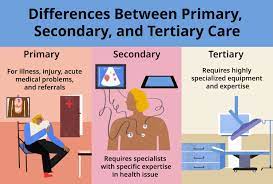
A primary care clinician may be a good first point of contact, especially if you’re unsure what is causing your symptoms. They can assess your condition and, when appropriate, refer you to an orthopedic specialist.
How to Choose an Orthopedic Surgeon Near You
Look for experience related to your condition
Orthopedics includes many subspecialties. A surgeon who regularly treats your particular problem may be more familiar with the latest diagnostic and treatment approaches. Ask about the surgeon’s focus and experience with your condition, including how often they perform a procedure if surgery is being considered.
Check credentials and hospital affiliations
Review the surgeon’s education, board certification, and professional background through reliable sources. You can also check which hospitals or surgical centers they work with and whether those facilities are covered by your insurance plan.
Understand the full range of treatment options
Surgery is not always the first or only option. Depending on your diagnosis, treatment may include physical therapy, medication, activity changes, injections, bracing, or surgery. A helpful consultation should explain the potential benefits, risks, and alternatives so you can make an informed decision.
Consider access and communication
Convenient location, appointment availability, accessibility, and clear communication can all affect your experience. Ask how the office handles follow-up visits, test results, urgent questions, and care after a procedure. If you need an interpreter or other accommodations, ask whether they are available.
Confirm insurance and costs
Before scheduling, contact your insurance company and the provider’s office to confirm coverage, referral requirements, and whether the surgeon and facility are in network. Ask about potential out-of-pocket costs, including fees for imaging, anesthesia, physical therapy, or follow-up care.
What to Expect at an Orthopedic Consultation
Your first appointment will usually include a discussion of your symptoms, medical history, and how the problem affects your activities. The clinician may examine the affected area and review or order imaging, such as X-rays or an MRI, if needed. Bring a list of medications, relevant medical records, prior imaging, and questions you want answered.
Questions you may wish to ask include:
- What may be causing my symptoms?
- What tests or imaging do I need?
- What are my nonsurgical and surgical treatment options?
- What are the benefits and risks of each option?
- How long might recovery take, and what support will I need?
- When should I follow up or seek urgent care?
When to Seek Urgent Medical Care
Some symptoms need prompt assessment rather than a routine appointment. Seek urgent medical care for a serious injury, an obvious deformity, severe or rapidly worsening pain, inability to use or bear weight on a limb after an injury, or sudden numbness or weakness. If you believe you have a medical emergency, call 911 or go to the nearest emergency department.
Take the Next Step
When searching for an orthopedic surgeon near you, focus on finding a qualified specialist whose experience matches your needs and who explains your options clearly. Verify credentials, insurance coverage, and facility details, and bring your questions to the appointment. A healthcare professional can help determine the cause of your symptoms and guide you toward an appropriate care plan.
This article is for general informational purposes only and is not a substitute for medical advice, diagnosis, or treatment. Consult a qualified healthcare professional about your individual situation.
Orthopedic Surgeon Near Me: 9 Frequently Asked Questions
- How do I find a qualified orthopedic surgeon near me?
- What does an orthopedic surgeon treat?
- When should I see an orthopedic surgeon instead of my primary care doctor?
- How can I check an orthopedic surgeon’s credentials and experience?
- Does my insurance cover an orthopedic surgeon near me?
- Do I need a referral to see an orthopedic surgeon?
- What should I bring to my first orthopedic appointment?
- Will an orthopedic surgeon recommend surgery or try nonsurgical treatments first?
- How much does it cost to see an orthopedic surgeon near me?
How do I find a qualified orthopedic surgeon near me?
To find a qualified orthopedic surgeon near you, ask your primary care clinician for a referral and check your health insurance directory for in-network specialists. Look for a surgeon whose experience matches your condition—for example, someone who focuses on hip and knee care, sports injuries, or spine conditions. Verify credentials and board certification through reliable sources, review the surgeon’s hospital or surgical-center affiliations, and confirm that the facility is also covered by your plan. Before choosing, schedule a consultation to discuss treatment options, experience, risks, and recovery, and consider whether the surgeon communicates clearly and addresses your concerns.
What does an orthopedic surgeon treat?
An orthopedic surgeon diagnoses and treats conditions affecting the bones, joints, muscles, ligaments, tendons, and related structures. These may include fractures, arthritis, back or neck problems, sports injuries, and conditions affecting the hip, knee, shoulder, hand, foot, or ankle. Despite the title, orthopedic surgeons do not always recommend surgery; treatment may also include physical therapy, medication, injections, bracing, or changes to daily activities.
When should I see an orthopedic surgeon instead of my primary care doctor?
Consider seeing an orthopedic surgeon when you have persistent or worsening pain, limited movement, a recurring injury, or a bone, joint, muscle, or tendon problem that hasn’t improved with initial care from your primary care doctor. Your primary care doctor can assess your symptoms and may refer you to a specialist, especially if you need advanced imaging, specialized treatment, or an opinion about surgery. For a severe injury, visible deformity, sudden weakness or numbness, or inability to use or bear weight on a limb, seek urgent medical care rather than waiting for a routine appointment.
How can I check an orthopedic surgeon’s credentials and experience?
To check an orthopedic surgeon’s credentials and experience, verify their medical license and board certification through your state medical board and the American Board of Orthopaedic Surgery. Review the surgeon’s training, hospital affiliations, and subspecialty focus, especially experience treating your specific condition or performing the procedure you’re considering. You can also ask how often they perform that procedure, check whether the surgeon and facility are in your insurance network, and discuss your questions during a consultation. Use patient reviews as one source of information, but consider them alongside verified credentials and recommendations from your healthcare provider.
Does my insurance cover an orthopedic surgeon near me?
Insurance coverage for an orthopedic surgeon near you depends on your specific plan, the surgeon’s network status, and the services you need. Before booking, call your insurance company and the surgeon’s office to confirm whether the consultation, imaging, treatment, and facility fees are covered, and ask about referrals, prior authorization, deductibles, and copays. Coverage can vary, so verify the details directly with your insurer.
Do I need a referral to see an orthopedic surgeon?
Whether you need a referral to see an orthopedic surgeon depends on your health insurance plan and the provider’s requirements. Some HMO plans require a referral from your primary care doctor, while many PPO plans allow you to schedule directly with a specialist. Check with your insurer and the surgeon’s office before booking to confirm referral, authorization, and in-network requirements.
What should I bring to my first orthopedic appointment?
Bring a photo ID, your insurance card, a list of current medications and allergies, and any referral or authorization required by your insurance. If available, bring relevant medical records, prior imaging or test results, and notes about your symptoms—when they started, what makes them better or worse, and how they affect your daily activities. You may also want to write down questions for the orthopedic surgeon and bring a family member or friend for support.
Will an orthopedic surgeon recommend surgery or try nonsurgical treatments first?
An orthopedic surgeon may recommend nonsurgical treatments first when they are appropriate for your condition. Options can include physical therapy, medication, activity changes, bracing, or injections. Surgery may be considered if these approaches don’t provide enough relief, the condition is severe, or an operation is the most effective way to address the problem. Your recommendation will depend on your diagnosis, overall health, goals, and the potential benefits and risks of each option.
How much does it cost to see an orthopedic surgeon near me?
The cost of seeing an orthopedic surgeon varies based on your location, insurance coverage, the type of appointment, and whether you need imaging or other tests. With insurance, you may owe a copay or coinsurance, and your deductible may apply; without insurance, consultation fees can differ significantly between clinics. Contact the surgeon’s office and your insurance provider before scheduling to confirm network status, referral requirements, and estimated charges, including any fees for X-rays, MRIs, or follow-up visits.