Neuro Ophthalmology: How the Eyes and Nervous System Work Together
Neuro-Ophthalmology: Where Vision and the Nervous System Meet
Neuro-ophthalmology is a medical specialty focused on vision problems related to the brain, optic nerves, and other parts of the nervous system. Neuro-ophthalmologists evaluate how the eyes and nervous system work together to produce vision, eye movement, and pupil responses. They often work with neurologists, ophthalmologists, neurosurgeons, and other specialists to identify the cause of complex symptoms.
What Does a Neuro-Ophthalmologist Treat?
Neuro-ophthalmologists assess a wide range of conditions, including:
- Optic nerve disorders: Problems affecting the nerve that carries visual information from the eye to the brain, such as optic neuritis or optic nerve swelling.
- Visual field loss: Missing areas of vision that may result from damage to the optic pathways in the brain or elsewhere in the visual system.
- Double vision: A symptom that can occur when the nerves or muscles controlling eye movement are affected.
- Abnormal eye movements: Conditions that interfere with the eyes’ ability to move together or track objects smoothly.
- Pupil abnormalities: Changes in pupil size or reaction that may point to a problem involving the nerves or brain.
- Visual symptoms related to neurologic conditions: Vision changes associated with migraine, stroke, multiple sclerosis, tumors, or other disorders.
Some patients are referred because they have unexplained vision loss, persistent double vision, or findings on an eye examination that may signal a problem elsewhere in the nervous system.
Common Symptoms
Symptoms vary depending on the area affected and the underlying cause. They may include:
- Blurred, dim, or reduced vision
- Loss of vision in one or both eyes
- Double vision
- Difficulty moving or focusing the eyes
- Changes in color vision
- Unequal pupils or an unusual response to light
- Headache accompanied by vision changes
- Brief episodes of vision loss or visual dimming
These symptoms can have many causes, and not all are neurological. A medical evaluation is important to determine what is happening.
How Neuro-Ophthalmology Evaluations Work
A neuro-ophthalmology visit typically begins with a detailed medical history. The clinician may ask when symptoms started, whether they are changing, and whether they occur alongside headaches, weakness, numbness, or other concerns.
The examination may include tests of visual sharpness, color vision, peripheral vision, pupil responses, and eye movements. The clinician may also examine the optic nerves and the back of the eyes. Depending on the findings, additional testing may be recommended, such as:
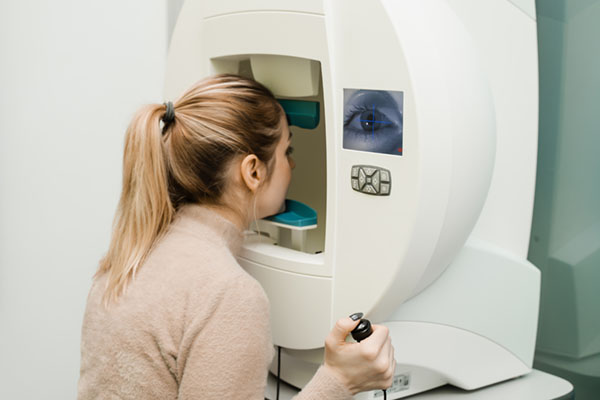
- Visual field testing to map areas of vision loss
- Optical coherence tomography (OCT) to measure layers of the retina and optic nerve
- MRI or CT scans to evaluate the brain, optic nerves, or surrounding structures
- Blood tests to investigate possible inflammatory, infectious, or other causes
- Additional neurologic or eye examinations based on the person’s symptoms
Not every patient needs every test. The evaluation is tailored to the symptoms and examination findings.
Treatment and Care
Treatment depends on the underlying cause. Some conditions require medication, while others may need monitoring, surgery, or care from another specialist. For example, treatment may focus on reducing inflammation, managing a neurologic condition, addressing pressure around the brain, or correcting an eye movement problem.
When double vision cannot be treated immediately, temporary measures such as covering one lens or using a prism may help some people function more comfortably. These options should be discussed with an eye care professional, since the right approach depends on the cause and pattern of the double vision.
In many cases, the neuro-ophthalmologist coordinates care with other clinicians. This collaboration can be especially important when vision symptoms are part of a broader medical condition.
When to Seek Urgent Care
Sudden vision loss, new double vision, or a sudden change in vision should be assessed promptly. Seek emergency medical care for vision changes accompanied by symptoms such as weakness, facial drooping, difficulty speaking, confusion, severe dizziness, or a sudden severe headache. These may be signs of a medical emergency.
Even symptoms that come and go can deserve timely attention, particularly if they are new or worsening. Contact a healthcare professional for guidance rather than trying to diagnose the cause yourself.
Why Neuro-Ophthalmology Matters
Vision depends on a network of structures extending from the eyes through the optic nerves and into the brain. Because of this, a vision problem can sometimes be an early sign of a condition affecting the nervous system. Neuro-ophthalmology brings specialized eye and neurologic knowledge together to investigate these symptoms and guide appropriate care.
This article is for general educational purposes and is not a substitute for medical advice, diagnosis, or treatment. Consult a qualified healthcare professional about personal symptoms or concerns.
9 Essential Tips for Navigating Neuro-Ophthalmology Concerns
- Seek emergency care for sudden vision loss.
- Treat new double vision as a prompt for medical evaluation.
- Note when symptoms began and whether they are changing.
- Tell your clinician about headaches, weakness, or numbness.
- Bring a list of medications and supplements.
- Ask whether each eye should be tested separately.
- Report pain with eye movement or color-vision changes.
- Keep appointments for recommended visual-field testing.
- Avoid driving if vision or depth perception is impaired.
Seek emergency care for sudden vision loss.
Seek emergency care for sudden vision loss, even if it affects only one eye or improves after a few minutes. Sudden changes in vision can signal a serious problem involving the eye, optic nerve, or brain, and prompt evaluation may be critical. Call emergency services if vision loss occurs with weakness, facial drooping, trouble speaking, confusion, or a severe headache.
Treat new double vision as a prompt for medical evaluation.
New double vision should prompt a medical evaluation, especially if it starts suddenly, persists, or is accompanied by other symptoms. It can result from several causes, including problems with the nerves or muscles that control eye movement, and an examination can help identify what’s behind it. Seek emergency care if double vision occurs with weakness, facial drooping, trouble speaking, confusion, severe dizziness, or a sudden, severe headache.
Note when symptoms began and whether they are changing.
When preparing for a neuro-ophthalmology appointment, note when your symptoms first began and whether they have changed over time. Record whether they started suddenly or gradually, how often they occur, how long they last, and whether anything seems to trigger or relieve them. These details can help your clinician understand the pattern of your symptoms and decide what evaluations may be appropriate.
Tell your clinician about headaches, weakness, or numbness.
Tell your clinician if vision changes occur with headaches, weakness, numbness, or other new symptoms. This information can help them understand what may be causing the problem and decide whether you need further evaluation. Note when the symptoms began, how often they occur, and whether they are getting worse. If vision changes or these symptoms begin suddenly—especially with trouble speaking, facial drooping, confusion, or severe dizziness—seek emergency medical care.
Bring a list of medications and supplements.
Bring a complete list of your medications and supplements to your neuro-ophthalmology appointment, including prescription drugs, over-the-counter medicines, vitamins, and herbal products. Note each item’s dose and how often you take it, and include any recent changes. This information can help your clinician assess possible side effects, interactions, or other factors that may contribute to your vision or eye movement symptoms.
Ask whether each eye should be tested separately.
Ask whether each eye should be tested separately during your neuro-ophthalmology evaluation. Testing one eye at a time can help your clinician identify differences that may be missed when both eyes are open, including changes in visual sharpness, color perception, or visual field. Follow the testing instructions carefully, and let the clinician know if you have trouble keeping one eye covered or focusing during the exam.
Report pain with eye movement or color-vision changes.
Tell your healthcare provider if you experience pain when moving your eyes or notice that colors look faded, less vivid, or different than usual. These changes can be important clues to problems affecting the optic nerve or other parts of the visual system, especially when they occur with blurred or reduced vision. Share when the symptoms began, whether they affect one or both eyes, and whether they are getting worse. Seek prompt medical advice for new or worsening symptoms, and get urgent care for sudden vision loss or other sudden neurologic symptoms.
Keep appointments for recommended visual-field testing.
Keep appointments for recommended visual-field testing, even if your vision seems unchanged. These tests map how well you see across different areas and can reveal subtle changes that may not be noticeable in everyday life. Regular results also help your care team monitor your condition and decide whether your treatment plan needs adjustment.
Avoid driving if vision or depth perception is impaired.
If a neuro-ophthalmic condition affects your vision or depth perception, avoid driving until a qualified healthcare professional confirms it’s safe. Changes in visual clarity, side vision, or the ability to judge distance can make it harder to spot hazards, judge gaps, and react in time. Arrange another way to travel, and follow your clinician’s guidance about when you can return to driving.