Understanding the Benefits of Gastric Sleeve Operation for Weight Loss
The Gastric Sleeve Operation: A Comprehensive Guide
Weight loss surgery, such as the gastric sleeve operation, is a life-changing procedure that can help individuals struggling with obesity achieve significant and sustainable weight loss. Also known as sleeve gastrectomy, this surgical procedure involves reducing the size of the stomach to limit food intake and promote weight loss.
How Does the Gastric Sleeve Operation Work?
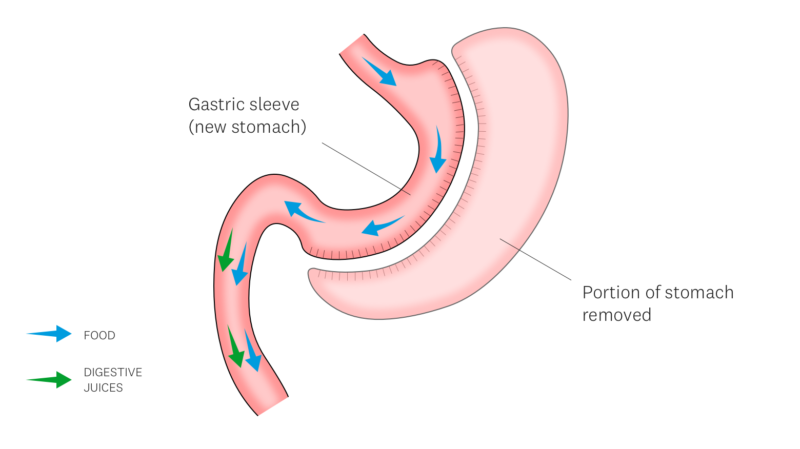
During a gastric sleeve operation, a surgeon removes a large portion of the stomach, leaving behind a smaller, banana-shaped “sleeve” or pouch. This smaller stomach size restricts the amount of food that can be consumed at one time, leading to feelings of fullness sooner and reduced calorie intake.
Benefits of Gastric Sleeve Surgery
The gastric sleeve operation offers several benefits beyond weight loss. These may include:
- Rapid initial weight loss
- Improvement or resolution of obesity-related health conditions such as type 2 diabetes and hypertension
- Enhanced quality of life and increased mobility
- Reduced risk of obesity-related complications
Candidate Eligibility for Gastric Sleeve Surgery
Not everyone is a suitable candidate for gastric sleeve surgery. Ideal candidates typically:
- Have a Body Mass Index (BMI) over 40 or over 35 with obesity-related health issues
- Have attempted other weight loss methods without long-term success
- Are committed to making lifestyle changes post-surgery to support weight loss and overall health
Potential Risks and Complications
While gastric sleeve surgery is generally safe, like any surgical procedure, it carries some risks and potential complications. These may include:
- Infection
- Bleeding
- Leakage from the staple line in the stomach
- Nutritional deficiencies if dietary guidelines are not followed post-surgery
Post-Operative Care and Lifestyle Changes
Following a gastric sleeve operation, patients will need to adhere to specific dietary guidelines and make lifestyle changes to support their weight loss journey. This typically involves consuming smaller meals, prioritizing protein-rich foods, staying hydrated, and engaging in regular physical activity.
In Conclusion…
The gastric sleeve operation is a proven method for achieving significant weight loss and improving overall health outcomes for individuals struggling with obesity. If you are considering this procedure, consult with a qualified healthcare provider to determine if it is the right option for you.
Top 5 Common Questions About Gastric Sleeve Surgery Answered
- What is the downside to gastric sleeve?
- Is gastric sleeve a major surgery?
- What can you never eat again after gastric sleeve surgery?
- How long does a gastric sleeve last?
- How painful is gastric sleeve surgery?
What is the downside to gastric sleeve?
One common downside to the gastric sleeve operation is the potential for long-term vitamin and mineral deficiencies. Since the procedure involves reducing the size of the stomach, which can impact nutrient absorption, patients may need to take supplements to prevent deficiencies in essential vitamins such as B12, folate, and iron. It is crucial for individuals undergoing gastric sleeve surgery to follow a strict dietary regimen and regularly monitor their nutrient levels to ensure optimal health and well-being post-operation.
Is gastric sleeve a major surgery?
The gastric sleeve operation, also known as sleeve gastrectomy, is considered a major surgery due to the significant alteration it makes to the stomach size and structure. During the procedure, a large portion of the stomach is removed, leaving behind a smaller sleeve-shaped pouch. While it is minimally invasive compared to traditional open surgeries, gastric sleeve surgery still involves general anesthesia and requires hospitalization. Patients should be aware of the potential risks and complications associated with any major surgical procedure and should follow their healthcare provider’s guidelines for pre- and post-operative care to ensure a successful outcome.
What can you never eat again after gastric sleeve surgery?
After undergoing gastric sleeve surgery, there are certain foods that patients are advised to avoid permanently due to the altered stomach size and digestive changes. Some foods that individuals may need to eliminate from their diet post-surgery include carbonated beverages, high-sugar foods, fried and fatty foods, tough meats, and fibrous vegetables. These items can potentially cause discomfort, digestive issues, or hinder weight loss progress. It is crucial for patients to follow their healthcare provider’s dietary guidelines and make informed choices to support their health and well-being after gastric sleeve surgery.
How long does a gastric sleeve last?
The longevity of the gastric sleeve procedure varies among individuals and is influenced by several factors. Generally, the gastric sleeve is considered a permanent weight loss solution as the portion of the stomach that is removed during surgery does not grow back. However, the success and durability of weight loss achieved through a gastric sleeve operation depend on the patient’s commitment to lifestyle changes, including diet modifications and regular exercise. With proper post-operative care and adherence to recommended guidelines, many patients experience sustainable weight loss results over the long term. It is essential for individuals considering a gastric sleeve operation to consult with their healthcare provider to understand the expected outcomes and potential maintenance strategies for lasting success.
How painful is gastric sleeve surgery?
The level of pain experienced during gastric sleeve surgery varies from person to person. While the procedure itself is performed under general anesthesia, some individuals may experience discomfort or soreness in the days following the operation. Surgeons typically prescribe pain medication to manage post-operative pain effectively. It’s essential to follow the healthcare provider’s instructions for pain management and recovery to ensure a smooth and comfortable healing process. Remember that while some discomfort is normal, severe or persistent pain should be promptly addressed by your medical team.