Promoting Healthy Smiles: The Importance of Dentistry for Children
The Importance of Dentistry for Children
Dental care is crucial for children’s overall health and well-being. Establishing good oral hygiene habits at a young age sets the foundation for a lifetime of healthy teeth and gums. Dentistry for children plays a vital role in ensuring proper dental development, preventing cavities, and promoting a positive attitude towards oral health.
Early Dental Visits
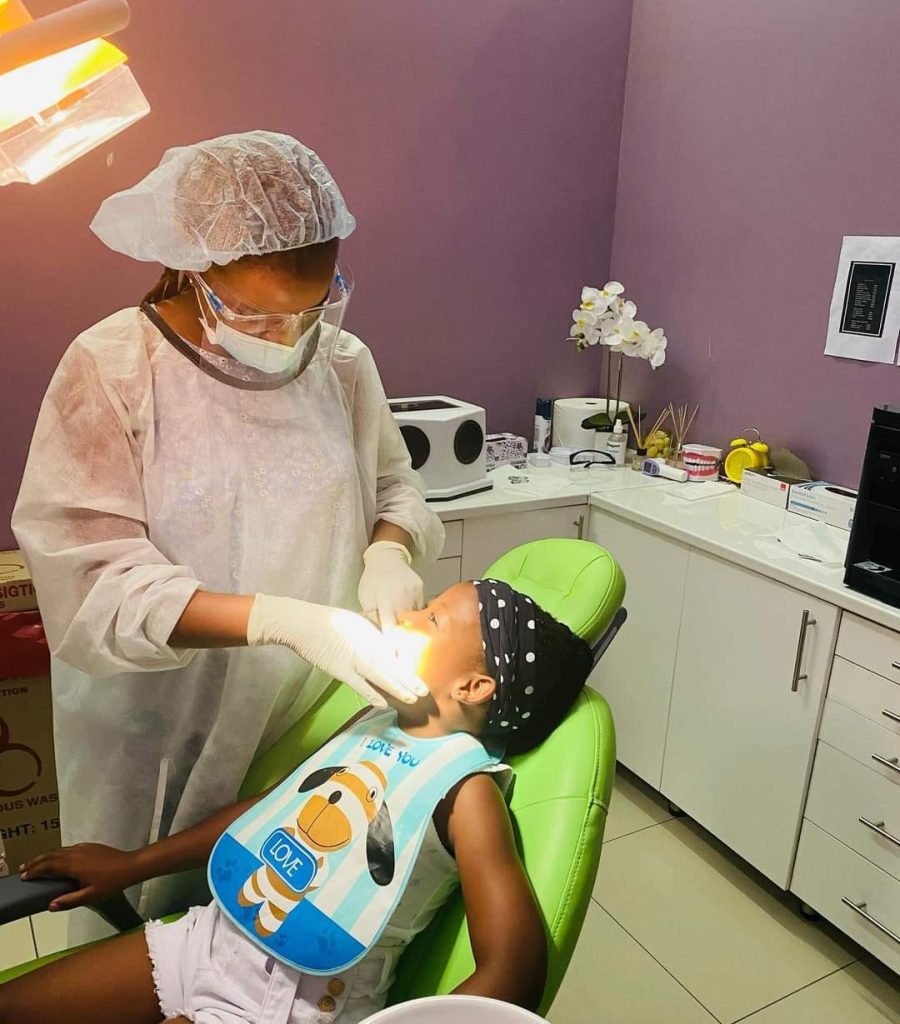
It is recommended that children have their first dental visit by the age of one or when their first tooth erupts. Early dental visits not only help monitor the growth and development of the child’s teeth but also familiarize them with the dental office environment. Regular check-ups allow dentists to detect any potential issues early on and provide preventive care.
Preventive Care
Preventive care, such as dental cleanings, fluoride treatments, and sealants, can help protect children’s teeth from decay. Dentists may also offer advice on proper brushing and flossing techniques to maintain good oral hygiene at home. By instilling these habits early, parents can help prevent common dental problems in children.
Treatment for Dental Issues
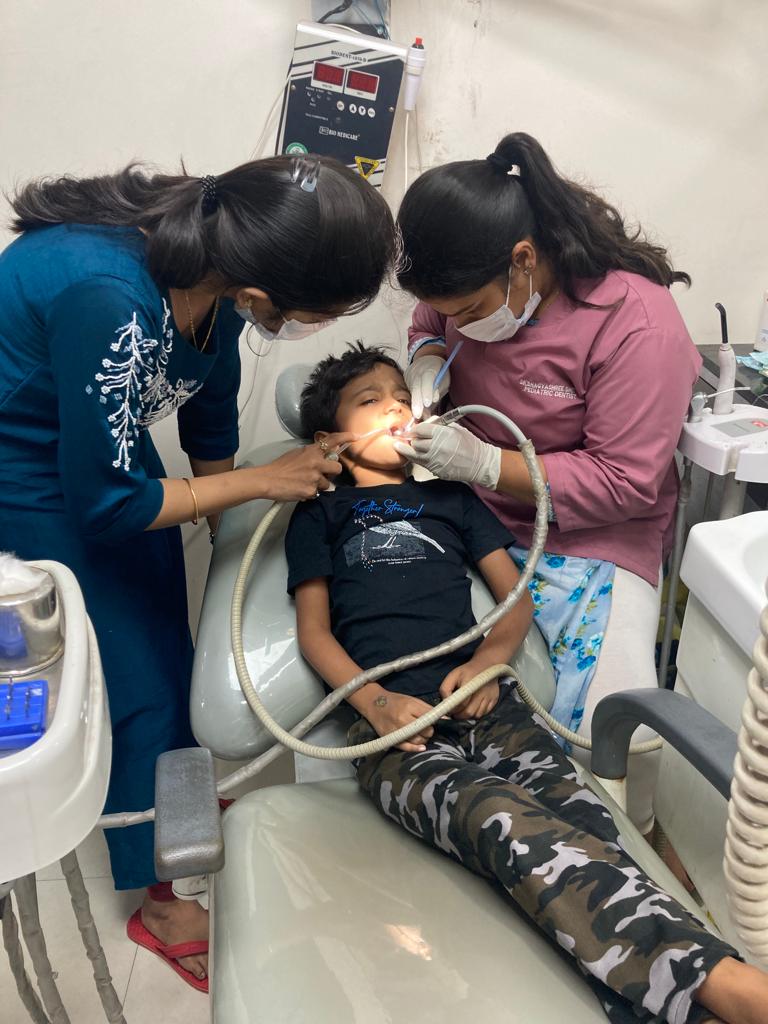
If a child does develop dental issues such as cavities or misaligned teeth, prompt treatment is essential. Dentists specializing in pediatric dentistry are trained to handle children’s unique dental needs with care and compassion. They may recommend treatments like fillings, braces, or extractions to address any problems effectively.
Educating Children About Oral Health
Education plays a significant role in promoting good oral health habits among children. Dentists often take the time to explain the importance of brushing, flossing, and eating a balanced diet to maintain healthy teeth and gums. By teaching children about oral health in a fun and engaging way, dentists can empower them to take charge of their own dental care.
Conclusion
Dentistry for children is not just about treating dental problems; it is about fostering a positive relationship with oral health that lasts a lifetime. By prioritizing regular check-ups, preventive care, and education, parents can help their children maintain healthy smiles well into adulthood.
8 Essential Tips for Children’s Dental Health: Building Good Habits Early
- Start dental care early by wiping your baby’s gums with a soft cloth after feedings.
- Introduce brushing with a small, soft-bristled toothbrush as soon as the first tooth appears.
- Use fluoride toothpaste in a pea-sized amount for children over 2 years old.
- Encourage healthy eating habits to promote good oral health.
- Limit sugary snacks and drinks to prevent tooth decay.
- Schedule regular dental check-ups starting around age 1 or when the first tooth erupts.
- Teach proper brushing and flossing techniques through demonstration and supervision.
- Make dental visits positive experiences to build trust and reduce anxiety.
Start dental care early by wiping your baby’s gums with a soft cloth after feedings.
Starting dental care early is crucial for establishing good oral hygiene habits in children. A simple yet effective tip is to wipe your baby’s gums with a soft cloth after feedings. This gentle practice helps remove bacteria and sugars that can accumulate on the gums, laying the foundation for healthy teeth to come. By incorporating this routine into your baby’s daily care, you not only promote oral health but also familiarize them with the importance of dental hygiene from an early age.
Introduce brushing with a small, soft-bristled toothbrush as soon as the first tooth appears.
Introducing brushing with a small, soft-bristled toothbrush as soon as the first tooth appears is a crucial step in establishing good oral hygiene habits for children. By starting early, parents can help their child become accustomed to the routine of brushing and caring for their teeth. Using a soft-bristled toothbrush ensures gentle cleaning of the delicate new teeth and gums, promoting healthy dental development from the start. This simple tip sets the foundation for a lifetime of proper oral care and instills the importance of maintaining good dental hygiene habits early on.
Use fluoride toothpaste in a pea-sized amount for children over 2 years old.
When it comes to dental care for children, using fluoride toothpaste in a pea-sized amount for those over 2 years old is a crucial tip to remember. Fluoride helps strengthen tooth enamel and prevent cavities, making it an essential ingredient in maintaining good oral health. By using the right amount of fluoride toothpaste, parents can ensure that their children receive the benefits of fluoride protection while minimizing the risk of swallowing excessive amounts. This simple yet important practice can help children develop strong and healthy teeth as they grow.
Encourage healthy eating habits to promote good oral health.
Encouraging healthy eating habits is a crucial tip in promoting good oral health for children. A diet rich in fruits, vegetables, whole grains, and lean proteins not only supports overall health but also contributes to strong teeth and gums. Limiting sugary snacks and beverages can help prevent cavities and maintain optimal oral hygiene. By emphasizing the importance of nutritious foods and minimizing the consumption of sugary treats, parents can play a significant role in safeguarding their children’s dental well-being for years to come.
Limit sugary snacks and drinks to prevent tooth decay.
Limiting sugary snacks and drinks is a crucial tip in pediatric dentistry to prevent tooth decay in children. Excessive consumption of sugary foods and beverages can lead to the formation of harmful acids that erode tooth enamel, increasing the risk of cavities. By encouraging children to enjoy these treats in moderation and promoting healthier snack alternatives, parents can help safeguard their children’s oral health and promote strong, cavity-free teeth.
Schedule regular dental check-ups starting around age 1 or when the first tooth erupts.
It is crucial to prioritize regular dental check-ups for children, ideally starting around age 1 or when the first tooth erupts. Early dental visits play a pivotal role in monitoring the growth and development of a child’s teeth, allowing dentists to detect any potential issues at an early stage. By establishing a routine of regular check-ups, parents can ensure that their child’s oral health is closely monitored and any necessary preventive measures can be taken promptly. This proactive approach to dental care sets the foundation for a lifetime of healthy teeth and gums, promoting good oral hygiene habits from an early age.
Teach proper brushing and flossing techniques through demonstration and supervision.
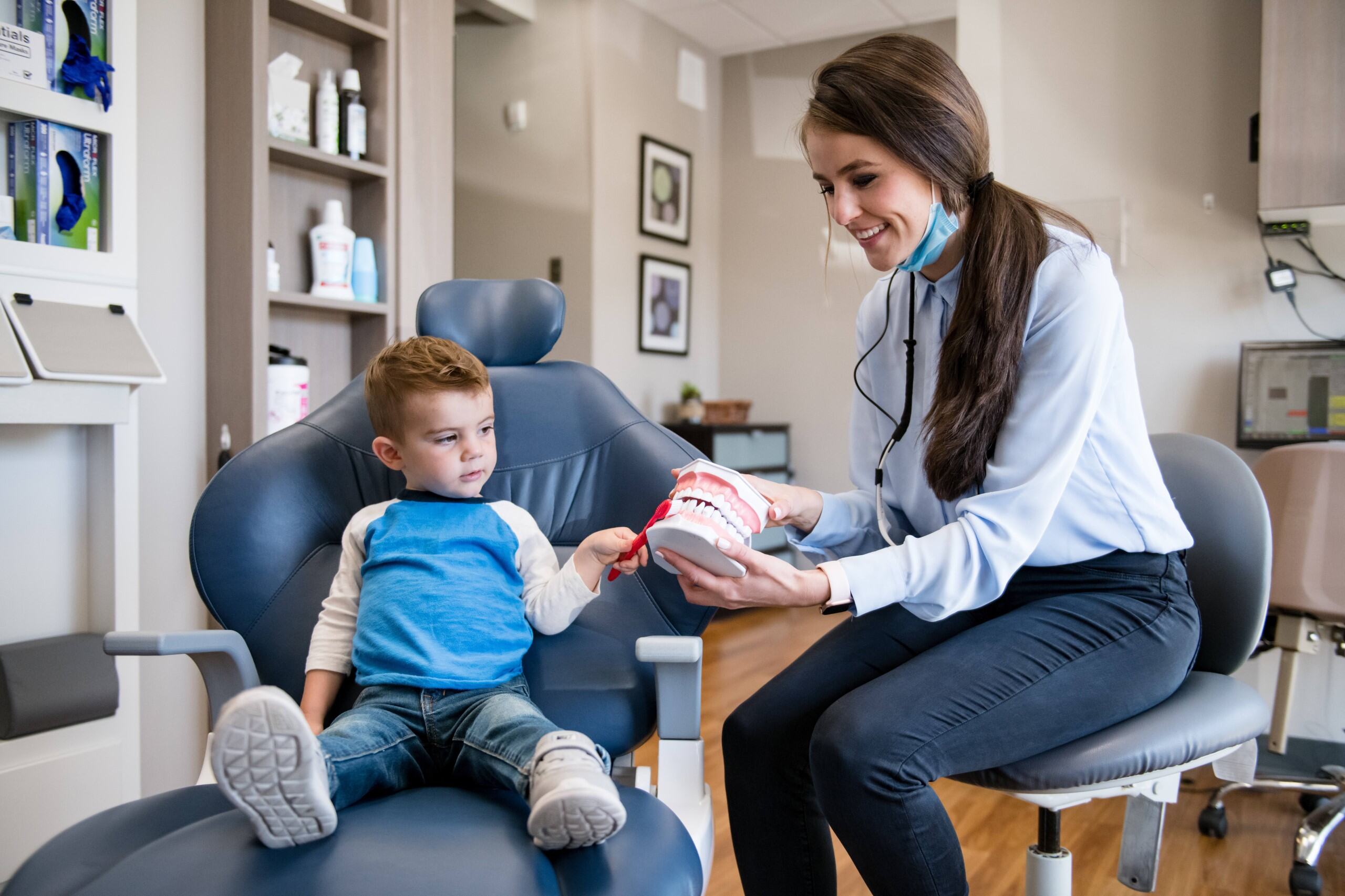
One essential tip in pediatric dentistry is to teach proper brushing and flossing techniques through demonstration and supervision. Children learn best by example, so showing them the correct way to brush and floss their teeth can significantly impact their oral hygiene habits. By supervising their brushing and flossing routines, parents can ensure that children are effectively cleaning all surfaces of their teeth and gums. This hands-on approach not only instills good habits early on but also helps prevent dental issues such as cavities and gum disease. Regular reinforcement of proper brushing and flossing techniques sets the stage for a lifetime of healthy smiles.
Make dental visits positive experiences to build trust and reduce anxiety.
Ensuring that dental visits are positive experiences for children is essential in building trust and reducing anxiety associated with oral care. By creating a welcoming and friendly environment at the dental office, children can feel more comfortable and at ease during their appointments. Dentists who engage with young patients in a gentle and reassuring manner help establish a sense of trust, making the dental visit a less daunting experience. Positive reinforcement, encouragement, and age-appropriate explanations can go a long way in instilling confidence in children about their oral health and fostering a lifelong commitment to dental care.