Understanding Common Vision Diseases: A Guide to Eye Health
Vision Diseases: Understanding Common Eye Conditions
Vision is a precious sense that allows us to experience the world around us. However, various diseases and conditions can affect the health of our eyes and compromise our vision. It is essential to be aware of these common eye conditions to seek timely treatment and preserve eye health.
Cataracts
Cataracts are a common age-related vision problem characterized by clouding of the eye’s natural lens. This condition can cause blurry vision, sensitivity to light, and difficulty seeing at night. Cataract surgery is a common and effective treatment for restoring clear vision.
Glaucoma
Glaucoma is a group of eye diseases that damage the optic nerve, often due to high intraocular pressure. If left untreated, glaucoma can lead to permanent vision loss. Regular eye exams are crucial for early detection and management of glaucoma.
Age-Related Macular Degeneration (AMD)
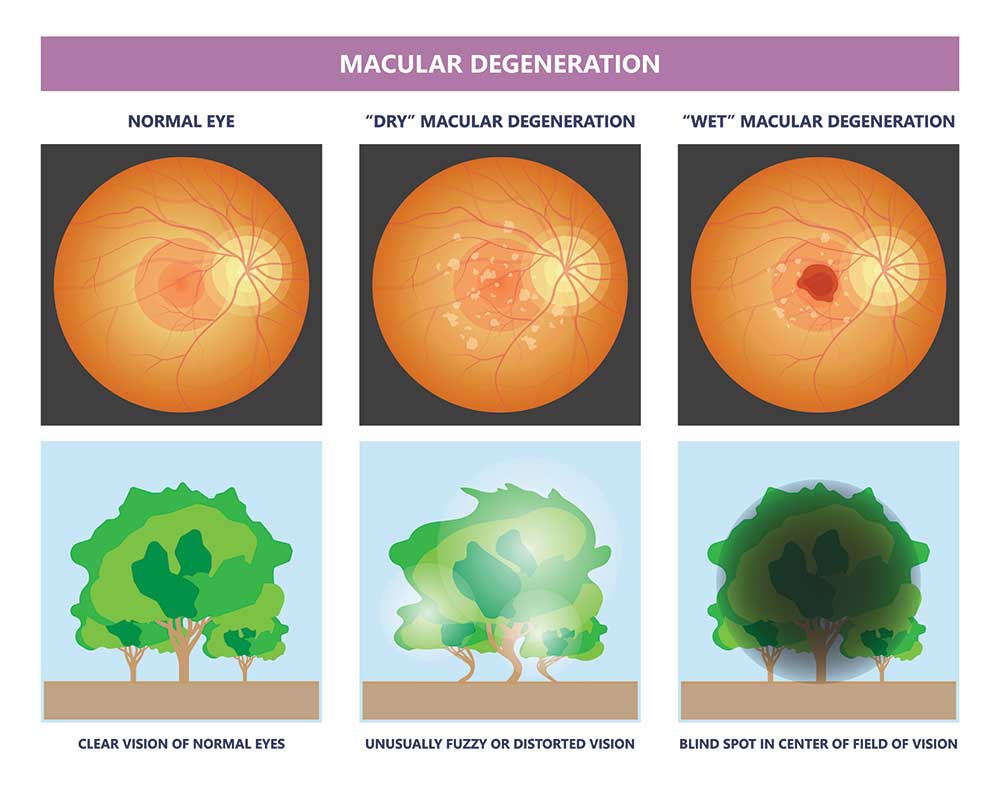
AMD is a leading cause of vision loss among older adults. This condition affects the macula, the central part of the retina responsible for sharp central vision. Early symptoms include blurred or distorted central vision, making activities like reading difficult.
Diabetic Retinopathy
Diabetic retinopathy is a complication of diabetes that affects blood vessels in the retina. High blood sugar levels can damage these blood vessels, leading to vision problems or even blindness if left untreated. Managing diabetes through proper medical care and lifestyle changes is key to preventing diabetic retinopathy.
Refractive Errors
Refractive errors such as nearsightedness (myopia), farsightedness (hyperopia), and astigmatism are common vision problems that affect how light focuses on the retina. Corrective lenses like glasses or contact lenses can help improve visual acuity in individuals with refractive errors.
Regular eye examinations by an optometrist or ophthalmologist are essential for detecting and managing vision diseases early on. Protecting your eyes from harmful UV rays, maintaining a healthy diet rich in antioxidants, and avoiding smoking can also contribute to overall eye health.
8 Essential Tips to Safeguard Your Vision and Prevent Eye Diseases
- Schedule regular eye exams to catch vision problems early.
- Wear sunglasses to protect your eyes from harmful UV rays.
- Maintain a healthy diet rich in vitamins A, C, and E for eye health.
- Practice the 20-20-20 rule
- Avoid smoking as it increases the risk of age-related macular degeneration.
- Keep blood sugar levels under control to prevent diabetic retinopathy.
- Use protective eyewear when engaging in activities that could harm your eyes.
- Stay informed about family history of eye diseases and discuss with your doctor.
Schedule regular eye exams to catch vision problems early.
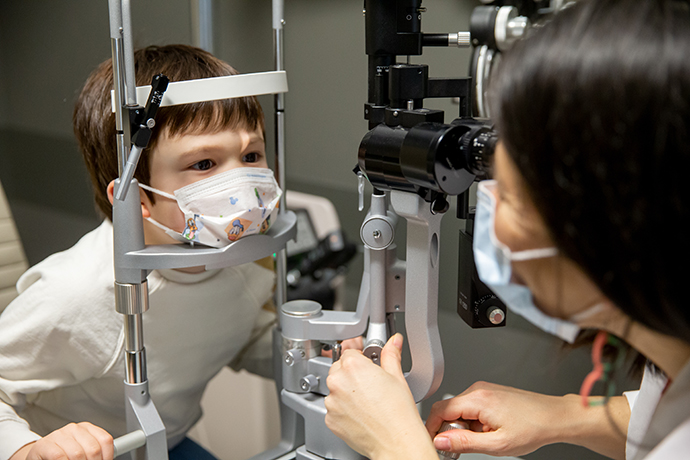
Scheduling regular eye exams is a crucial tip for maintaining optimal eye health and catching vision problems early. Routine eye examinations conducted by qualified eye care professionals can help detect potential issues such as cataracts, glaucoma, macular degeneration, and refractive errors before they progress and cause significant vision impairment. Early detection allows for timely intervention and appropriate treatment to preserve vision and prevent further complications. By prioritizing regular eye check-ups, individuals can proactively safeguard their eyesight and ensure long-term visual wellness.
Wear sunglasses to protect your eyes from harmful UV rays.
Wearing sunglasses is a simple yet effective way to protect your eyes from the harmful effects of UV rays. Prolonged exposure to ultraviolet radiation can increase the risk of developing various vision diseases, including cataracts and age-related macular degeneration. By wearing sunglasses that offer UV protection, you can shield your eyes from potential damage and maintain good eye health. Remember to choose sunglasses that block both UVA and UVB rays and wear them whenever you are outdoors, even on cloudy days, to safeguard your vision for years to come.
Maintain a healthy diet rich in vitamins A, C, and E for eye health.
Maintaining a healthy diet rich in vitamins A, C, and E is crucial for promoting optimal eye health and reducing the risk of vision diseases. These vitamins play key roles in supporting the overall function of the eyes, including protecting against age-related macular degeneration, cataracts, and other eye conditions. Foods such as carrots, leafy greens, citrus fruits, nuts, and seeds are excellent sources of these essential nutrients that can help nourish and protect the eyes. By incorporating a variety of vitamin-rich foods into your daily diet, you can support your vision health and maintain clear and sharp eyesight for years to come.
Practice the 20-20-20 rule
To help prevent eye strain and reduce the risk of vision diseases, it is recommended to practice the 20-20-20 rule. This rule suggests that for every 20 minutes spent looking at a screen or performing close-up work, take a 20-second break and look at something 20 feet away. By giving your eyes a brief rest and focusing on distant objects, you can help alleviate strain on the eye muscles and maintain better visual comfort throughout the day. Incorporating the 20-20-20 rule into your daily routine can contribute to healthier eyes and improved overall eye health in the long run.
Avoid smoking as it increases the risk of age-related macular degeneration.
Avoiding smoking is crucial in maintaining good eye health and reducing the risk of age-related macular degeneration. Smoking is known to accelerate the progression of this vision disease, leading to irreversible damage to the macula and central vision. By quitting smoking or never starting in the first place, individuals can significantly lower their chances of developing age-related macular degeneration and preserve their eyesight for years to come. Making healthy lifestyle choices like avoiding smoking can have a positive impact on overall eye health and well-being.
Keep blood sugar levels under control to prevent diabetic retinopathy.
To prevent diabetic retinopathy, it is crucial to keep blood sugar levels under control. High blood sugar levels can damage the blood vessels in the retina, leading to vision problems and potential blindness if left untreated. By managing diabetes through proper medical care, including monitoring blood sugar levels, following a healthy diet, and staying active, individuals can significantly reduce their risk of developing diabetic retinopathy and protect their vision health in the long term.
Use protective eyewear when engaging in activities that could harm your eyes.
It is crucial to prioritize eye safety by using protective eyewear when participating in activities that pose a risk to your vision. Whether you are engaging in sports, working with tools or chemicals, or spending time outdoors in bright sunlight, wearing appropriate eye protection can prevent injuries and reduce the likelihood of developing vision diseases. Investing in quality protective eyewear not only safeguards your eyes from potential harm but also promotes long-term eye health and well-being. Remember, prevention is key when it comes to preserving your precious sense of sight.
Stay informed about family history of eye diseases and discuss with your doctor.
It is crucial to stay informed about your family history of eye diseases and discuss this information with your doctor. Many vision diseases, such as glaucoma and age-related macular degeneration, can have a genetic component, increasing the risk of developing these conditions if they run in your family. By understanding your family’s eye health history, you can work proactively with your healthcare provider to monitor for early signs of potential issues and take preventive measures to safeguard your vision for the future. Regular discussions with your doctor about familial eye disease risks can help tailor a personalized eye care plan that addresses your specific needs and promotes long-term eye health.