Dental Fillings: Preserving Oral Health and Function
The Importance of Fillings in Dental Care
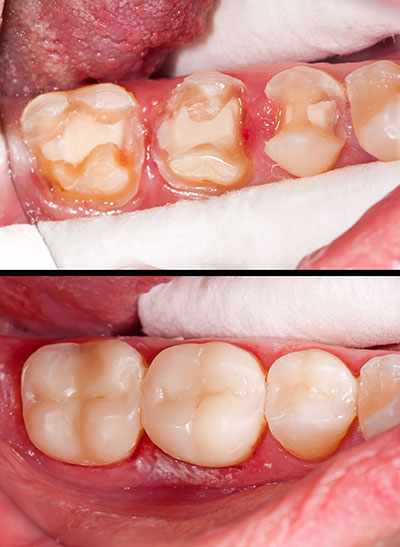
Fillings play a crucial role in maintaining good oral health and preventing further dental issues. When a tooth develops a cavity due to decay or damage, a filling is used to restore the tooth’s structure and function.
Here are some key points highlighting the importance of fillings in dental care:
Preventing Decay Progression
Fillings help stop the progression of decay by sealing off the affected area and preventing bacteria from further damaging the tooth. This can help preserve the natural tooth structure and avoid more extensive treatments like root canals or extractions.
Restoring Tooth Function
A tooth with a cavity may experience sensitivity or pain when eating or drinking. Fillings restore the functionality of the tooth, allowing individuals to chew and bite without discomfort.
Maintaining Oral Health
By filling cavities promptly, individuals can maintain their overall oral health. Untreated cavities can lead to infections, abscesses, and even systemic health issues if left unchecked.
Enhancing Aesthetics
Modern fillings are available in various materials that match the natural color of teeth, providing aesthetic benefits along with functional restoration. This helps maintain a natural smile while addressing dental concerns.
Long-Term Cost Savings
Addressing cavities early with fillings can prevent more extensive and costly dental procedures down the line. Regular dental check-ups that include identifying and treating cavities promptly can save individuals money in the long term.
In conclusion, fillings are an essential aspect of dental care that helps preserve oral health, restore function, enhance aesthetics, and prevent future complications. It is important to consult with a dentist regularly to address any cavities promptly and maintain optimal oral hygiene.
8 Essential Tips for Maintaining Healthy Dental Fillings
- Brush your teeth at least twice a day with fluoride toothpaste.
- Floss daily to remove plaque and food particles between teeth.
- Limit sugary and acidic foods and drinks that can contribute to tooth decay.
- Visit your dentist regularly for check-ups and professional cleanings.
- Consider dental sealants to protect the chewing surfaces of your teeth.
- Choose tooth-friendly snacks like fruits, vegetables, and cheese.
- Avoid using your teeth as tools to prevent damaging fillings or causing cracks in teeth.
- Be mindful of any changes or discomfort in filled teeth and consult your dentist if needed.
Brush your teeth at least twice a day with fluoride toothpaste.
Brushing your teeth at least twice a day with fluoride toothpaste is a fundamental tip for maintaining good oral health, especially when it comes to preserving dental fillings. Fluoride toothpaste helps strengthen the enamel, reducing the risk of decay and cavities around existing fillings. By incorporating this simple yet effective habit into your daily routine, you can protect your teeth, maintain the integrity of your fillings, and promote overall oral hygiene. Remember, consistent brushing with fluoride toothpaste is key to ensuring a healthy smile and prolonging the lifespan of your dental fillings.
Floss daily to remove plaque and food particles between teeth.
Flossing daily is a crucial step in maintaining good oral hygiene, especially after getting fillings in dental care. By flossing regularly, you can effectively remove plaque buildup and food particles that get trapped between teeth, including around fillings. This simple yet important practice helps prevent cavities, gum disease, and other dental issues by ensuring thorough cleaning in hard-to-reach areas where toothbrushes may not reach. Incorporating daily flossing into your oral care routine can contribute to the longevity and effectiveness of your fillings while promoting overall oral health.
Limit sugary and acidic foods and drinks that can contribute to tooth decay.
Limiting sugary and acidic foods and drinks is a crucial tip for maintaining healthy fillings and overall dental health. Sugary and acidic substances can contribute to tooth decay by providing fuel for harmful bacteria in the mouth, leading to the breakdown of enamel and potential damage to fillings. By reducing consumption of these foods and beverages, individuals can help protect their fillings, prevent cavities, and support the longevity of their dental work. Opting for a balanced diet rich in nutrients that promote oral health can complement proper oral hygiene practices and regular dental check-ups, ultimately contributing to a healthier smile.
Visit your dentist regularly for check-ups and professional cleanings.
Regular dental check-ups and professional cleanings are essential for maintaining good oral health, especially when it comes to fillings. Visiting your dentist regularly allows for the early detection of any issues with existing fillings, ensuring they remain intact and effective in preventing further decay. Professional cleanings help remove plaque and tartar buildup that can compromise the integrity of fillings and lead to dental problems. By prioritizing regular dental visits, individuals can proactively protect their fillings and overall oral health, promoting long-term well-being and preventing the need for more extensive treatments in the future.
Consider dental sealants to protect the chewing surfaces of your teeth.
When it comes to maintaining optimal dental health, considering dental sealants to protect the chewing surfaces of your teeth can be a wise decision. Dental sealants are thin protective coatings applied to the grooves and pits of the back teeth, where cavities commonly form. By sealing off these vulnerable areas, dental sealants act as a barrier against bacteria and food particles, reducing the risk of decay and minimizing the need for fillings in the future. This preventive measure can help safeguard your oral health and contribute to a healthier smile in the long run.
Choose tooth-friendly snacks like fruits, vegetables, and cheese.
Choosing tooth-friendly snacks like fruits, vegetables, and cheese can contribute to better oral health and help maintain the integrity of dental fillings. These snacks are low in sugar and high in nutrients that support overall dental health. Fruits and vegetables stimulate saliva production, which helps neutralize acids in the mouth and wash away food particles that can contribute to decay. Cheese is rich in calcium and phosphorus, which are essential minerals for strengthening tooth enamel. By incorporating these snacks into your diet, you can promote a healthy smile and support the longevity of your dental fillings.
Avoid using your teeth as tools to prevent damaging fillings or causing cracks in teeth.
To maintain the integrity of fillings and prevent potential damage or cracks in teeth, it is essential to avoid using your teeth as tools. Using teeth to open packages, bite nails, or perform tasks that teeth are not designed for can exert excessive pressure on fillings and weaken the tooth structure. By refraining from using teeth as tools and instead using appropriate tools for tasks, individuals can protect their fillings, reduce the risk of dental issues, and preserve their oral health in the long run.
Be mindful of any changes or discomfort in filled teeth and consult your dentist if needed.
It is crucial to be attentive to any alterations or discomfort in filled teeth and seek advice from your dentist when necessary. Changes in sensitivity, pain, or unusual sensations in previously filled teeth could indicate underlying issues that require professional attention. By promptly addressing any concerns with your dentist, you can ensure the continued effectiveness and longevity of your fillings while safeguarding your overall oral health.