Navigating the Path to Healing: Understanding Radiation Therapy in Cancer Treatment
Radiation Therapy: A Comprehensive Guide
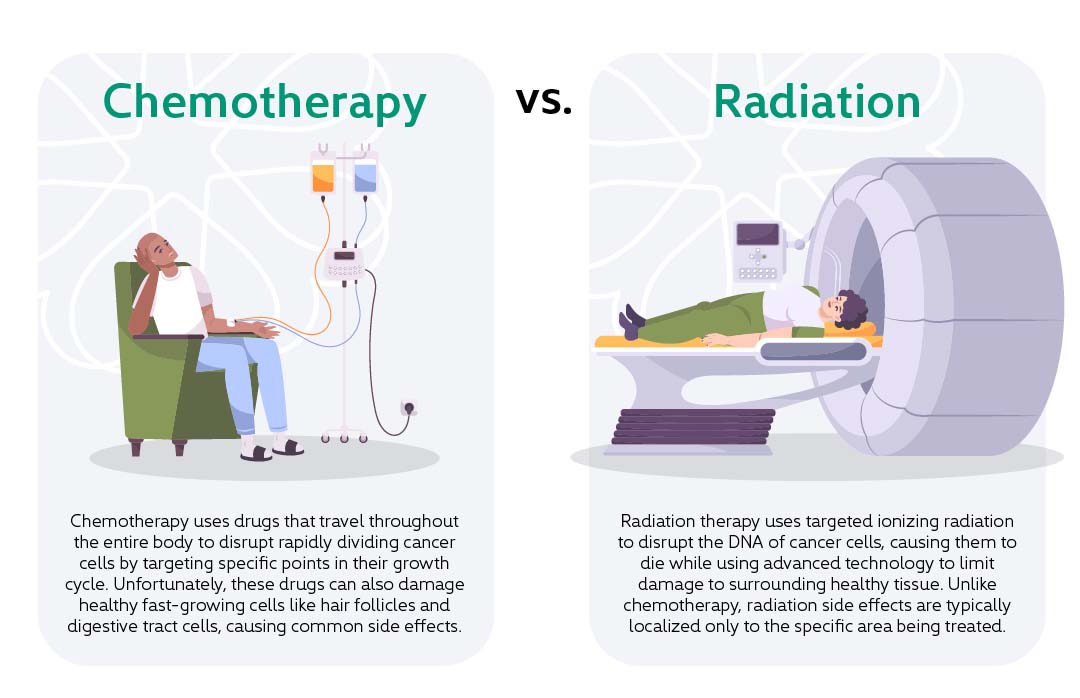
Radiation therapy, also known as radiotherapy, is a common treatment option for various types of cancer. It involves the use of high-energy radiation to target and destroy cancer cells while minimizing damage to surrounding healthy tissue.
There are different types of radiation therapy, including external beam radiation therapy and internal radiation therapy (brachytherapy). External beam radiation therapy delivers radiation from a machine outside the body, while brachytherapy involves placing radioactive sources directly into or near the tumor.
Radiation therapy can be used as a primary treatment for cancer or in combination with surgery, chemotherapy, or immunotherapy. The decision to use radiation therapy depends on factors such as the type and stage of cancer, the location of the tumor, and the patient’s overall health.
Side effects of radiation therapy may include fatigue, skin changes in the treated area, nausea, and hair loss. However, these side effects are usually temporary and can be managed with medications and lifestyle adjustments.
It is essential for patients undergoing radiation therapy to communicate openly with their healthcare team about any concerns or side effects they may experience. Regular follow-up appointments are also crucial to monitor the effectiveness of treatment and address any issues that may arise.
Overall, radiation therapy plays a vital role in cancer treatment and has helped improve survival rates for many types of cancer. Advances in technology continue to enhance the precision and effectiveness of radiation therapy, offering hope to patients battling this disease.
Essential Tips for Navigating Radiation Therapy: A Guide to Care and Comfort
- Follow your treatment schedule as recommended by your healthcare provider.
- Stay well-hydrated before and after each radiation therapy session.
- Use gentle soaps and lotions on the treated area to avoid skin irritation.
- Wear loose, comfortable clothing to your appointments for ease of movement.
- Communicate any side effects or concerns with your healthcare team promptly.
- Get plenty of rest to help your body recover between radiation therapy sessions.
- Eat a balanced diet to support your overall health and energy levels during treatment.
- Ask questions and seek support from loved ones or support groups throughout your radiation therapy journey.
Follow your treatment schedule as recommended by your healthcare provider.
It is crucial to follow your treatment schedule as recommended by your healthcare provider when undergoing radiation therapy. Consistency in attending appointments and adhering to the prescribed treatment plan is essential for the effectiveness of the therapy. Deviating from the schedule may compromise the intended outcomes and overall success of the treatment. By following your healthcare provider’s guidance closely, you maximize the chances of achieving the desired results and improving your health outcomes.
Stay well-hydrated before and after each radiation therapy session.
Staying well-hydrated before and after each radiation therapy session is crucial for supporting your body’s ability to cope with the treatment. Adequate hydration helps maintain healthy organ function, promotes tissue repair, and can help reduce side effects such as fatigue and skin irritation. Drinking plenty of water can also aid in flushing out toxins from your body, potentially enhancing the effectiveness of the radiation therapy. Make it a priority to drink enough fluids throughout the day to stay hydrated and support your overall well-being during your treatment journey.
Use gentle soaps and lotions on the treated area to avoid skin irritation.
To minimize skin irritation during radiation therapy, it is advisable to use gentle soaps and lotions on the treated area. Harsh chemicals and fragrances in certain skincare products can exacerbate skin sensitivity and discomfort. Opting for mild, fragrance-free options can help soothe the skin and reduce the risk of irritation. It is essential to prioritize skin care during radiation therapy to maintain comfort and support the healing process effectively.
Wear loose, comfortable clothing to your appointments for ease of movement.
When attending your radiation therapy appointments, it is advisable to wear loose and comfortable clothing to ensure ease of movement. This simple tip can enhance your overall comfort during the treatment sessions, allowing you to relax and focus on your well-being. Loose clothing also facilitates quick and convenient access to the treatment area, making the process smoother for both you and the healthcare providers. By prioritizing comfort in your attire, you can optimize your experience during radiation therapy appointments and promote a positive mindset throughout the treatment journey.
Communicate any side effects or concerns with your healthcare team promptly.
It is crucial to communicate any side effects or concerns promptly with your healthcare team when undergoing radiation therapy. Open and honest communication allows your medical providers to address issues promptly, adjust treatment if necessary, and provide you with the necessary support and care. By reporting any symptoms or worries early on, you can ensure that your treatment plan remains effective and that you receive the best possible care throughout your radiation therapy journey.
Get plenty of rest to help your body recover between radiation therapy sessions.
Getting plenty of rest is crucial to support your body’s recovery during radiation therapy sessions. Adequate rest allows your body to heal and regenerate healthy cells, enhancing the effectiveness of the treatment. It also helps reduce fatigue and other side effects associated with radiation therapy, promoting overall well-being and resilience throughout the treatment process. Prioritizing rest and relaxation can contribute to a smoother recovery journey and better outcomes from radiation therapy.
Eat a balanced diet to support your overall health and energy levels during treatment.
Eating a balanced diet is crucial to support your overall health and energy levels during radiation therapy. A nutritious diet rich in fruits, vegetables, whole grains, lean proteins, and healthy fats can help boost your immune system, promote healing, and combat treatment-related side effects. By fueling your body with the right nutrients, you can enhance your strength and resilience throughout the course of treatment, ultimately aiding in your recovery process. Remember to consult with your healthcare team or a registered dietitian for personalized dietary recommendations tailored to your specific needs during radiation therapy.
Ask questions and seek support from loved ones or support groups throughout your radiation therapy journey.
During your radiation therapy journey, it is crucial to ask questions and seek support from loved ones or support groups. Understanding the treatment process, potential side effects, and coping strategies can help you feel more empowered and informed. Your loved ones can provide emotional support and encouragement, while support groups offer a sense of community and shared experiences. Remember that you are not alone in this journey, and reaching out for help can make a significant difference in your overall well-being during radiation therapy.