Understanding the Benefits of Gastric Sleeve Surgery for Weight Loss
The Gastric Sleeve Procedure: A Comprehensive Guide
The gastric sleeve, also known as sleeve gastrectomy, is a surgical weight loss procedure that involves reducing the size of the stomach to help individuals achieve significant and sustainable weight loss. This minimally invasive surgery has gained popularity as an effective treatment for obesity and related health conditions.
How Does Gastric Sleeve Work?
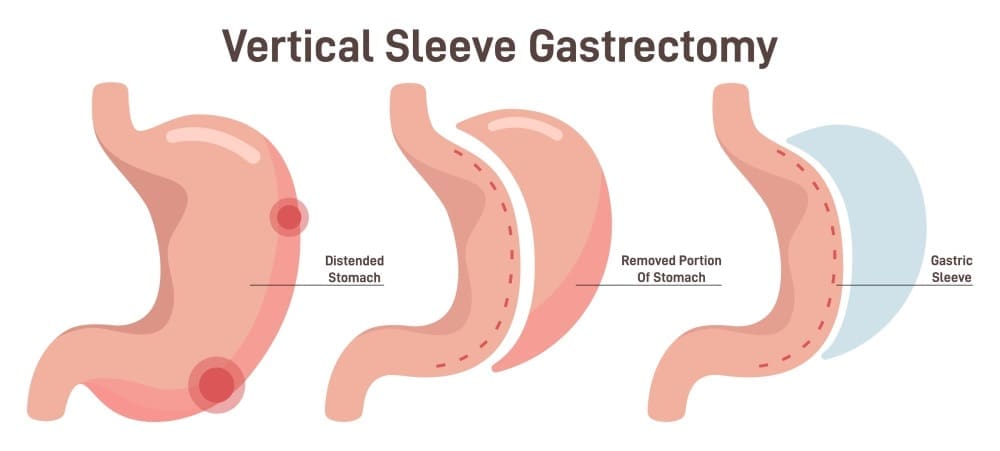
During a gastric sleeve procedure, a surgeon removes a large portion of the stomach, leaving behind a smaller, banana-shaped sleeve. By reducing the stomach’s size, the amount of food a person can eat is limited, leading to reduced calorie intake and weight loss. Additionally, the part of the stomach responsible for producing hunger-stimulating hormones is removed, helping patients feel less hungry.
Benefits of Gastric Sleeve Surgery
- Significant weight loss: Patients typically experience rapid weight loss in the first year following surgery.
- Improvement in obesity-related health conditions: Gastric sleeve surgery can lead to remission or improvement in conditions such as type 2 diabetes, high blood pressure, and sleep apnea.
- Lifestyle changes: The procedure can help individuals adopt healthier eating habits and lifestyle choices.
- Enhanced quality of life: Many patients report increased self-confidence and overall well-being after undergoing gastric sleeve surgery.
Risks and Considerations
While gastric sleeve surgery is generally safe, like any surgical procedure, it carries certain risks. Complications may include infection, bleeding, or leakage at the surgical site. Patients must also commit to long-term lifestyle changes to maintain weight loss results and avoid potential complications.
Is Gastric Sleeve Right for You?
Gastric sleeve surgery is typically recommended for individuals with a body mass index (BMI) of 40 or higher or those with a BMI of 35-39.9 who have obesity-related health issues. It is essential to consult with a healthcare provider to determine if gastric sleeve surgery is an appropriate option based on your individual health needs and goals.
In conclusion, gastric sleeve surgery offers a proven method for achieving significant weight loss and improving overall health outcomes for individuals struggling with obesity. By understanding the benefits, risks, and considerations associated with this procedure, you can make an informed decision about whether gastric sleeve surgery is right for you.
Top 5 Frequently Asked Questions About Gastric Sleeve Surgery
- How painful is gastric sleeve surgery?
- How long does gastric sleeve last?
- What are the downsides of the gastric sleeve?
- Is gastric sleeve worth the risk?
- How much does a gastric sleeve cost?
How painful is gastric sleeve surgery?
Gastric sleeve surgery is generally considered to be a minimally invasive procedure, and most patients report experiencing mild to moderate discomfort rather than significant pain following the surgery. The level of pain can vary from person to person and is often well managed with prescribed pain medications. It is common for patients to feel soreness in the abdominal area, particularly around the incision sites, but this discomfort typically subsides within a few days as the body begins to heal. Overall, while some discomfort is expected after gastric sleeve surgery, many individuals find that the benefits of the procedure outweigh any temporary discomfort they may experience during the recovery period.
How long does gastric sleeve last?
The longevity of the gastric sleeve procedure’s effectiveness varies among individuals and is influenced by factors such as lifestyle choices, adherence to dietary guidelines, and overall health maintenance. While the gastric sleeve surgery itself is permanent and alters the size of the stomach permanently, its success in sustaining weight loss depends on the patient’s commitment to long-term behavior changes. With proper post-operative care, regular exercise, and a balanced diet, many patients experience significant weight loss that can be maintained over the long term. However, ongoing medical follow-ups and lifestyle modifications are essential to ensure the continued success of the gastric sleeve procedure in managing obesity and improving overall health outcomes.
What are the downsides of the gastric sleeve?
One of the frequently asked questions about the gastric sleeve procedure is regarding its downsides. While gastric sleeve surgery is generally considered safe and effective for weight loss, it is important to be aware of potential downsides. Some common downsides of the gastric sleeve include the risk of complications such as infection, bleeding, or leakage at the surgical site. Additionally, patients must commit to significant lifestyle changes post-surgery to maintain weight loss results and avoid potential complications. It is crucial for individuals considering gastric sleeve surgery to discuss these downsides with their healthcare provider and weigh them against the potential benefits before making a decision.
Is gastric sleeve worth the risk?
When considering whether gastric sleeve surgery is worth the risk, it is essential to weigh the potential benefits against the possible complications. While gastric sleeve surgery can lead to significant weight loss and improvement in obesity-related health conditions, such as diabetes and hypertension, there are inherent risks associated with any surgical procedure. Patients must carefully evaluate their individual health needs, lifestyle factors, and readiness to commit to long-term dietary and lifestyle changes post-surgery. Consulting with a healthcare provider and discussing the risks and benefits of gastric sleeve surgery can help individuals make an informed decision about whether the potential benefits outweigh the risks for their specific situation.
How much does a gastric sleeve cost?
The cost of a gastric sleeve procedure can vary depending on several factors, including the location of the surgical facility, the experience of the surgeon, additional services provided, and any pre- or post-operative care required. On average, the cost of a gastric sleeve surgery in the United States ranges from $15,000 to $25,000. It is important to note that this cost may or may not include expenses such as pre-operative testing, consultations, follow-up appointments, and potential complications. Patients are advised to consult with their healthcare provider and insurance company to understand their specific financial responsibilities and coverage options related to gastric sleeve surgery.