Unlocking the Potential of Electronic Medical Record Systems in Modern Healthcare
The Evolution and Impact of Electronic Medical Record Systems
Electronic Medical Record (EMR) systems have revolutionized the way healthcare professionals manage patient information. These digital platforms enable the storage, retrieval, and sharing of medical records in a secure and efficient manner.
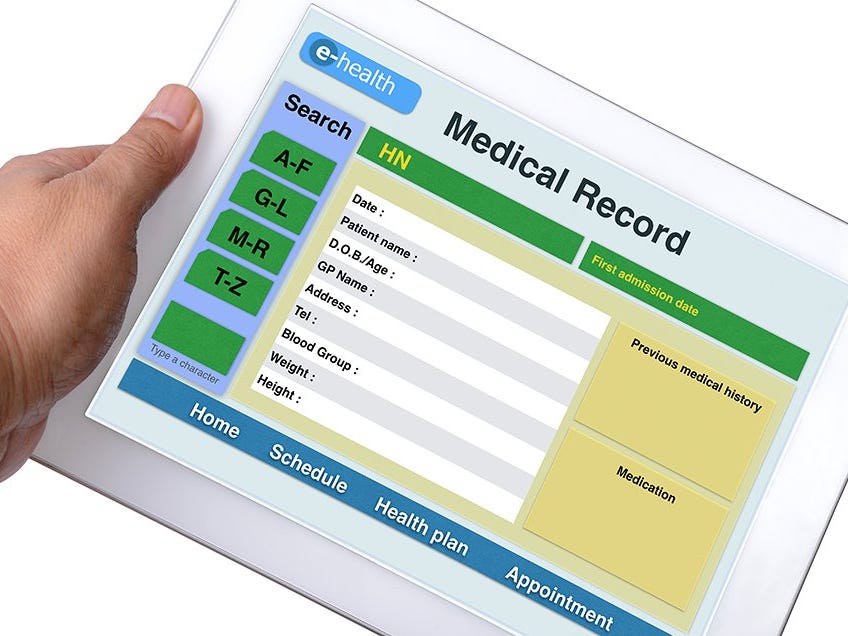
One of the key advantages of EMR systems is their ability to centralize patient data, including medical history, diagnoses, medications, lab results, and treatment plans. This centralized approach streamlines communication among healthcare providers, reduces errors due to illegible handwriting, and enhances overall patient care.
EMR systems also offer benefits such as improved accessibility to patient records, which can be accessed remotely by authorized personnel. This accessibility facilitates quicker decision-making and better coordination of care across different healthcare settings.
Furthermore, EMR systems contribute to enhanced data security through encryption and access controls. Patient confidentiality is prioritized through stringent measures that protect sensitive information from unauthorized access.
As technology continues to advance, EMR systems are evolving to incorporate features like artificial intelligence for data analysis, predictive analytics for personalized treatment plans, and interoperability for seamless communication between different healthcare providers.
In conclusion, electronic medical record systems have significantly transformed healthcare delivery by improving efficiency, accuracy, and patient outcomes. Embracing these digital solutions is essential for modernizing healthcare practices and ensuring high-quality care for patients worldwide.
Understanding Electronic Medical Record Systems: Top 8 FAQs
- What is an electronic medical record (EMR) system?
- How does an EMR system differ from an electronic health record (EHR) system?
- What are the benefits of using an EMR system in healthcare?
- Is patient data stored in EMR systems secure and private?
- How do healthcare providers access and update patient records in an EMR system?
- Are EMR systems compatible with other healthcare software and systems?
- Can patients access their own medical records through EMR systems?
- What training is required for healthcare professionals to use EMR systems effectively?
What is an electronic medical record (EMR) system?
An electronic medical record (EMR) system is a digital platform that allows healthcare providers to create, store, and manage patient health information in an electronic format. This comprehensive system includes data such as medical history, diagnoses, medications, treatment plans, immunization dates, allergies, lab results, and more. EMR systems streamline the documentation process by replacing paper-based records with secure digital files that can be accessed and updated by authorized healthcare professionals. By centralizing patient information and enabling efficient communication between providers, EMR systems enhance the quality of care delivery and contribute to improved patient outcomes.
How does an EMR system differ from an electronic health record (EHR) system?
An Electronic Medical Record (EMR) system differs from an Electronic Health Record (EHR) system in terms of scope and functionality. While both systems involve digital storage of patient information, EMRs are typically used within a single healthcare organization and focus on clinical data specific to that organization. On the other hand, EHRs are designed to encompass a broader range of health information from multiple sources, including medical history, diagnoses, medications, allergies, immunization records, and more. EHRs allow for the sharing of patient data across different healthcare providers and settings, promoting comprehensive and coordinated care. The key distinction lies in the interoperability and comprehensive nature of EHRs compared to the more limited scope of EMRs within a specific healthcare facility.
What are the benefits of using an EMR system in healthcare?
Implementing an Electronic Medical Record (EMR) system in healthcare offers a multitude of benefits. One key advantage is the centralization of patient information, allowing for easy access to comprehensive medical records including diagnoses, treatment plans, and test results. EMR systems streamline communication among healthcare providers, leading to improved coordination of care and reduced errors. Additionally, these digital platforms enhance data security through encryption and access controls, ensuring patient confidentiality. The accessibility and efficiency provided by EMR systems ultimately result in better decision-making, personalized treatment plans, and overall improved patient outcomes in the healthcare sector.
Is patient data stored in EMR systems secure and private?
Ensuring the security and privacy of patient data stored in Electronic Medical Record (EMR) systems is a top priority for healthcare providers and technology developers. EMR systems are designed with robust encryption protocols, access controls, and audit trails to safeguard sensitive information from unauthorized access or breaches. Additionally, healthcare organizations adhere to strict regulatory requirements, such as HIPAA in the United States, to protect patient confidentiality and maintain data privacy. Continuous monitoring, regular security audits, and staff training further enhance the security measures implemented within EMR systems, instilling confidence in patients that their personal health information is kept secure and private.
How do healthcare providers access and update patient records in an EMR system?
Healthcare providers access and update patient records in an Electronic Medical Record (EMR) system through secure login credentials that grant them authorized access to the platform. Once logged in, providers can navigate the EMR system to locate specific patient records by searching for the patient’s name, medical record number, or other identifying information. They can then view existing information, such as medical history, test results, and treatment plans, and make updates or additions as needed. Changes made to the patient records are typically saved automatically to ensure real-time data accuracy and consistency across all authorized users within the healthcare organization. This streamlined process of accessing and updating patient records in an EMR system enhances communication and collaboration among healthcare providers while maintaining data integrity and confidentiality.
Are EMR systems compatible with other healthcare software and systems?
EMR systems are designed to be compatible with other healthcare software and systems through a process known as interoperability. Interoperability allows EMR systems to communicate and exchange data seamlessly with various healthcare applications, such as billing software, laboratory systems, and patient portals. This compatibility ensures that healthcare providers can access comprehensive patient information across different platforms, leading to improved care coordination, efficiency, and data accuracy. By fostering interoperability, EMR systems enhance the overall quality of healthcare delivery and promote a more connected and integrated approach to managing patient records.
Can patients access their own medical records through EMR systems?
Patients can indeed access their own medical records through Electronic Medical Record (EMR) systems, a feature that empowers individuals to take control of their healthcare information. By providing patients with secure online portals or applications, EMR systems allow them to view their medical history, test results, medications, and treatment plans anytime and anywhere. This access not only promotes transparency and patient engagement but also enables individuals to actively participate in their care decisions and communicate effectively with healthcare providers. Patient access to EMR systems fosters a collaborative approach to healthcare management, ultimately leading to improved outcomes and patient satisfaction.
What training is required for healthcare professionals to use EMR systems effectively?
Healthcare professionals require comprehensive training to effectively utilize Electronic Medical Record (EMR) systems. Training programs typically cover various aspects, including navigating the EMR interface, inputting patient data accurately, documenting medical information efficiently, and interpreting electronic records. Additionally, healthcare professionals learn how to ensure data security and privacy compliance while using EMR systems. Continuous training and updates are crucial to keep up with technological advancements and optimize the benefits of EMR systems in improving patient care and streamlining healthcare processes.