Exploring Advanced Multiple Sclerosis Treatments for Enhanced Care
The Latest in Multiple Sclerosis Treatments
Multiple sclerosis (MS) is a chronic autoimmune disease that affects the central nervous system, leading to a range of symptoms such as fatigue, difficulty walking, numbness or weakness in limbs, and vision problems. While there is currently no cure for MS, there are several treatments available to help manage symptoms, slow disease progression, and improve quality of life for individuals living with this condition.
Disease-Modifying Therapies
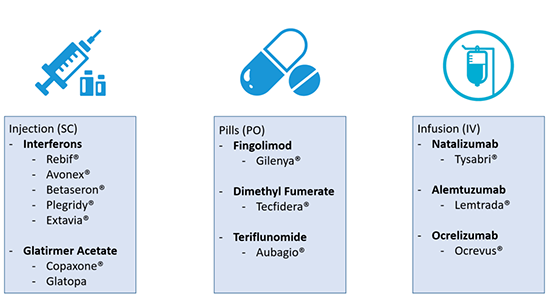
Disease-modifying therapies (DMTs) are a cornerstone of MS treatment. These medications work by modifying or suppressing the immune system’s response to reduce inflammation and prevent further damage to the nerves in the central nervous system. There are various types of DMTs available, including injectable medications, oral medications, and infusions.
Symptom Management
In addition to DMTs, symptom management plays a crucial role in improving the quality of life for individuals with MS. Symptoms such as muscle stiffness, pain, fatigue, and cognitive difficulties can be addressed through a combination of medications, physical therapy, occupational therapy, and lifestyle modifications.
Rehabilitation Therapies
Rehabilitation therapies such as physical therapy and occupational therapy can help individuals with MS maintain mobility, improve balance and coordination, manage fatigue, and enhance overall function. These therapies focus on strengthening muscles, improving range of motion, and developing strategies to overcome daily challenges posed by the disease.
Emerging Treatments
Research into new treatments for MS is ongoing, with promising developments in areas such as stem cell therapy, gene therapy, and personalized medicine. These innovative approaches aim to target the underlying causes of MS more effectively while minimizing side effects.
Lifestyle Modifications
Alongside medical treatments, lifestyle modifications can play a significant role in managing MS symptoms and promoting overall well-being. Healthy habits such as regular exercise, a balanced diet rich in nutrients, stress management techniques, adequate rest and sleep can all contribute to better symptom control and improved quality of life.
In conclusion, multiple sclerosis treatments continue to evolve, offering new hope for individuals living with this challenging condition. By staying informed about the latest advancements in MS care, patients and healthcare providers can work together to develop personalized treatment plans that address individual needs while striving towards better outcomes.
6 Essential Tips for Managing Multiple Sclerosis: From Treatment to Lifestyle Changes
- Consult with a neurologist specializing in multiple sclerosis for personalized treatment recommendations.
- Consider disease-modifying therapies to help manage and slow the progression of multiple sclerosis.
- Incorporate regular exercise into your routine to improve strength, balance, and overall well-being.
- Explore alternative therapies such as acupuncture or mindfulness practices for symptom management.
- Maintain a healthy diet rich in fruits, vegetables, and lean proteins to support your immune system.
- Join a support group or seek counseling to cope with the emotional challenges of living with multiple sclerosis.
Consult with a neurologist specializing in multiple sclerosis for personalized treatment recommendations.
For personalized treatment recommendations tailored to your specific needs and condition, it is essential to consult with a neurologist specializing in multiple sclerosis. A neurologist with expertise in MS can provide valuable insights into the latest treatment options, disease-modifying therapies, symptom management strategies, and emerging treatments. By seeking guidance from a specialist in MS care, you can receive individualized care that addresses your unique symptoms and concerns, ultimately leading to better outcomes and improved quality of life.
Consider disease-modifying therapies to help manage and slow the progression of multiple sclerosis.
Consider incorporating disease-modifying therapies into your treatment plan to effectively manage and slow the progression of multiple sclerosis. These specialized medications are designed to modify the immune system’s response, reducing inflammation and protecting the nerves in the central nervous system. By working with your healthcare provider to explore the most suitable disease-modifying therapy for your condition, you can take proactive steps towards controlling symptoms, preventing further damage, and enhancing your quality of life while living with multiple sclerosis.
Incorporate regular exercise into your routine to improve strength, balance, and overall well-being.
Incorporating regular exercise into your routine is a valuable tip for individuals managing multiple sclerosis. Exercise can help improve strength, balance, and overall well-being, making daily activities easier to perform and enhancing quality of life. Engaging in physical activity tailored to individual abilities and preferences can not only promote physical health but also boost mood, energy levels, and cognitive function. Consult with a healthcare provider or a physical therapist to develop a safe and effective exercise plan that suits your specific needs and goals in managing multiple sclerosis.
Explore alternative therapies such as acupuncture or mindfulness practices for symptom management.
For individuals seeking additional avenues for managing multiple sclerosis symptoms, exploring alternative therapies like acupuncture or mindfulness practices can offer complementary support to conventional treatment approaches. Acupuncture, known for its potential to alleviate pain and promote relaxation, may help individuals with MS manage symptoms such as muscle stiffness and fatigue. Similarly, mindfulness practices, including meditation and yoga, can aid in stress reduction and enhance overall well-being, potentially improving quality of life for those living with MS. By incorporating these alternative therapies into their treatment plan, individuals with MS may find valuable tools to address their symptoms holistically and promote a sense of balance and wellness.
Maintain a healthy diet rich in fruits, vegetables, and lean proteins to support your immune system.
It is recommended to maintain a healthy diet rich in fruits, vegetables, and lean proteins to support your immune system while managing multiple sclerosis. A well-balanced diet can provide essential nutrients and antioxidants that help reduce inflammation and support overall health. Incorporating a variety of colorful fruits and vegetables, along with lean proteins, can help boost immunity and promote optimal wellness for individuals living with MS. By making nutritious food choices, individuals can enhance their body’s ability to combat disease progression and improve their quality of life.
Join a support group or seek counseling to cope with the emotional challenges of living with multiple sclerosis.
Individuals living with multiple sclerosis can benefit greatly from joining a support group or seeking counseling to address the emotional challenges that come with managing this chronic condition. These resources provide a safe space to share experiences, seek advice, and receive emotional support from others who understand the unique struggles of living with multiple sclerosis. Counseling can also help individuals develop coping strategies, manage stress, and maintain a positive outlook on their journey towards better health and well-being. By connecting with others and addressing their emotional needs, individuals with multiple sclerosis can enhance their overall quality of life and resilience in facing the challenges ahead.