
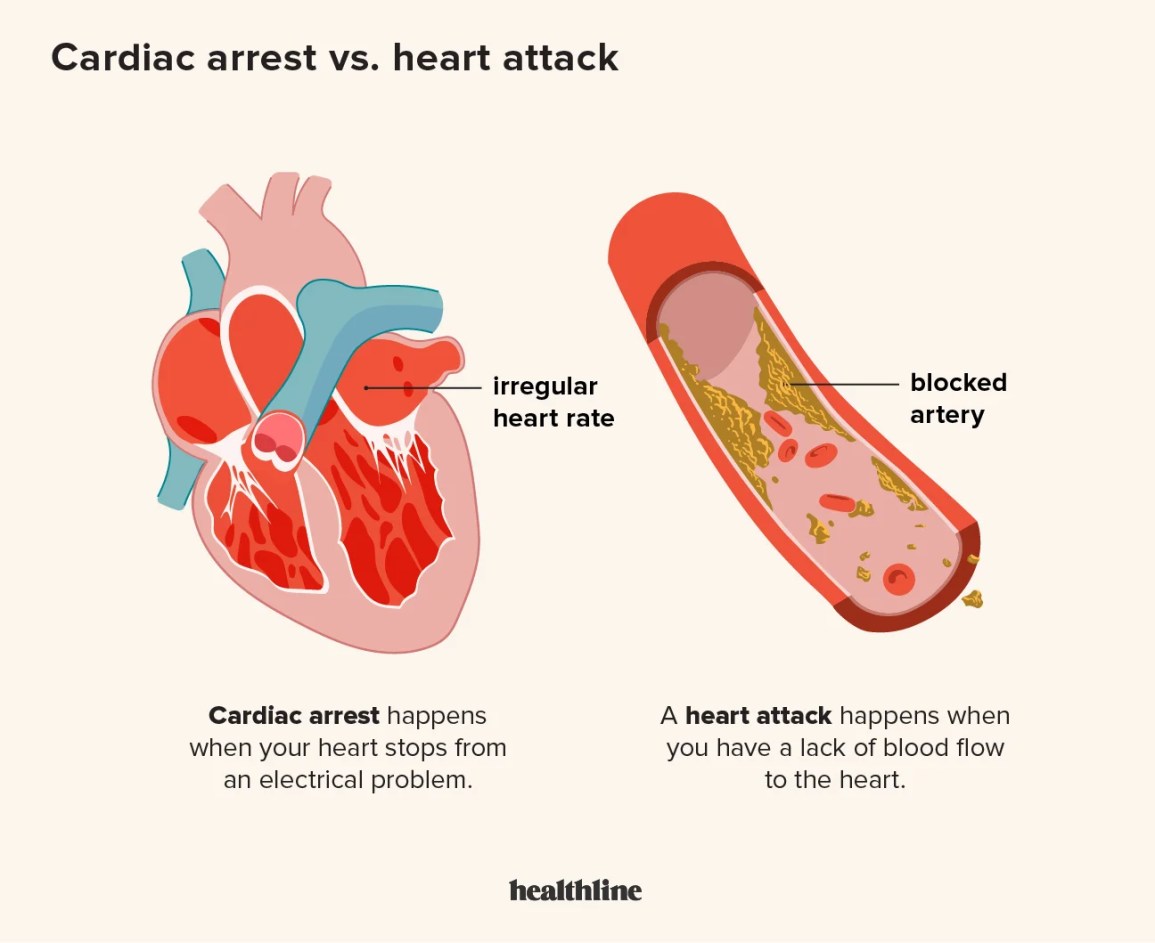
Cardiac Care: Nurturing Your Heart for a Healthier Tomorrow
The Importance of Cardiac Health
Cardiac health is a critical aspect of overall well-being and quality of life. The heart plays a vital role in pumping blood and oxygen throughout the body, ensuring that all organs receive the nutrients they need to function properly. Maintaining a healthy heart is essential for longevity and preventing various cardiovascular diseases.
Regular exercise, a balanced diet, and lifestyle choices can significantly impact cardiac health. Engaging in physical activity helps strengthen the heart muscle, improve circulation, and lower the risk of heart disease. Consuming a diet rich in fruits, vegetables, whole grains, and lean proteins can also support heart health by providing essential nutrients and reducing the intake of harmful substances like saturated fats and cholesterol.
Monitoring key indicators such as blood pressure, cholesterol levels, and blood sugar is crucial for early detection of potential cardiac issues. Regular check-ups with healthcare providers can help identify risk factors and develop personalized strategies to maintain or improve cardiac health.
In cases where cardiovascular conditions are diagnosed, timely intervention is essential to prevent further complications. Treatment options may include medication, lifestyle modifications, or surgical procedures to address specific issues affecting the heart’s function.
Educating oneself about cardiac health and adopting preventive measures can go a long way in safeguarding against heart-related problems. By prioritizing regular physical activity, healthy eating habits, stress management techniques, and routine medical screenings, individuals can take proactive steps towards ensuring a strong and resilient heart.
Remember, your heart is at the center of your well-being. Take care of it today for a healthier tomorrow.
8 Essential Tips for a Healthy Heart
- Maintain a healthy diet low in saturated fats and cholesterol to support heart health.
- Engage in regular physical activity to strengthen your heart muscle and improve circulation.
- Manage stress through relaxation techniques like deep breathing, meditation, or yoga.
- Avoid smoking and limit alcohol consumption to reduce the risk of heart disease.
- Monitor your blood pressure and cholesterol levels regularly for early detection of any abnormalities.
- Maintain a healthy weight to lower the strain on your heart and reduce the risk of cardiovascular problems.
- Get enough quality sleep each night as inadequate sleep can negatively impact heart health.
- Stay hydrated by drinking an adequate amount of water daily to support overall cardiovascular function.
Maintain a healthy diet low in saturated fats and cholesterol to support heart health.
Maintaining a healthy diet low in saturated fats and cholesterol is crucial for supporting heart health. By choosing foods that are high in nutrients and low in unhealthy fats, individuals can reduce their risk of developing cardiovascular diseases. Incorporating a variety of fruits, vegetables, whole grains, and lean proteins into daily meals can provide essential vitamins and minerals while promoting overall heart function. Making mindful dietary choices is a proactive step towards nurturing a strong and resilient heart for long-term well-being.
Engage in regular physical activity to strengthen your heart muscle and improve circulation.
Engaging in regular physical activity is a key strategy for enhancing cardiac health. By participating in exercise routines that elevate the heart rate, individuals can strengthen their heart muscle and promote better circulation throughout the body. This proactive approach not only boosts cardiovascular fitness but also reduces the risk of heart disease and related complications. Prioritizing physical activity as part of a healthy lifestyle can significantly contribute to maintaining a strong and resilient heart, supporting overall well-being and longevity.
Manage stress through relaxation techniques like deep breathing, meditation, or yoga.
Managing stress is crucial for maintaining cardiac health. Incorporating relaxation techniques such as deep breathing, meditation, or yoga into your daily routine can help reduce stress levels and promote overall well-being. These practices have been shown to lower blood pressure, decrease heart rate, and improve circulation, all of which are beneficial for a healthy heart. By taking time to relax and unwind through these techniques, you can support your cardiovascular system and enhance your quality of life.
Avoid smoking and limit alcohol consumption to reduce the risk of heart disease.
To reduce the risk of heart disease, it is crucial to avoid smoking and limit alcohol consumption. Smoking is a leading cause of cardiovascular problems, as it damages blood vessels and increases the likelihood of heart attacks and strokes. Similarly, excessive alcohol intake can elevate blood pressure, weaken the heart muscle, and contribute to conditions like atrial fibrillation. By making conscious choices to steer clear of smoking and moderate alcohol consumption, individuals can significantly improve their cardiac health and lower the chances of developing serious heart-related issues.
Monitor your blood pressure and cholesterol levels regularly for early detection of any abnormalities.
Monitoring your blood pressure and cholesterol levels regularly is a crucial step in maintaining cardiac health. By keeping track of these key indicators, you can detect any abnormalities early on and take proactive measures to address them. High blood pressure and elevated cholesterol levels are significant risk factors for heart disease, so staying vigilant about monitoring these metrics can help you stay ahead of potential cardiovascular issues. Regular check-ups with healthcare providers to assess your blood pressure and cholesterol levels can provide valuable insights into your heart health status and empower you to make informed decisions about lifestyle changes or medical interventions if necessary. Prioritizing regular screenings for blood pressure and cholesterol is a simple yet effective way to protect your heart and overall well-being.
Maintain a healthy weight to lower the strain on your heart and reduce the risk of cardiovascular problems.
Maintaining a healthy weight is a crucial aspect of cardiac health that can significantly impact the well-being of your heart. By managing your weight within a healthy range, you can reduce the strain on your heart and lower the risk of developing cardiovascular problems. Excess body weight can put added pressure on the heart, leading to conditions such as high blood pressure, cholesterol imbalances, and increased risk of heart disease. Prioritizing a balanced diet and regular physical activity to achieve and sustain a healthy weight not only benefits your overall health but also supports the optimal functioning of your heart, promoting longevity and well-being.
Get enough quality sleep each night as inadequate sleep can negatively impact heart health.
Getting enough quality sleep each night is crucial for maintaining optimal heart health. Inadequate sleep can have detrimental effects on the cardiovascular system, increasing the risk of heart disease and other related conditions. Quality sleep allows the body to rest and repair, supporting overall well-being and reducing stress on the heart. Prioritizing a consistent sleep schedule and creating a restful sleep environment can significantly benefit cardiac health in the long run. Remember, a good night’s sleep is not just rejuvenating for the body and mind but also essential for a healthy heart.
Stay hydrated by drinking an adequate amount of water daily to support overall cardiovascular function.
Staying hydrated by drinking an adequate amount of water daily is essential for supporting overall cardiovascular function. Water plays a crucial role in maintaining blood volume, which helps the heart pump blood efficiently throughout the body. Proper hydration also assists in regulating blood pressure and preventing dehydration, which can strain the heart and lead to various cardiovascular issues. By ensuring that you drink enough water each day, you can help your heart work optimally and promote long-term cardiac health.