Transform Your Health: The Impact of Weight Reduction Surgery
The Benefits of Weight Reduction Surgery
Weight reduction surgery, also known as bariatric surgery, is a medical procedure that helps individuals achieve significant weight loss by altering the digestive system. This type of surgery is typically recommended for individuals who are severely obese and have not been successful in losing weight through diet and exercise alone.
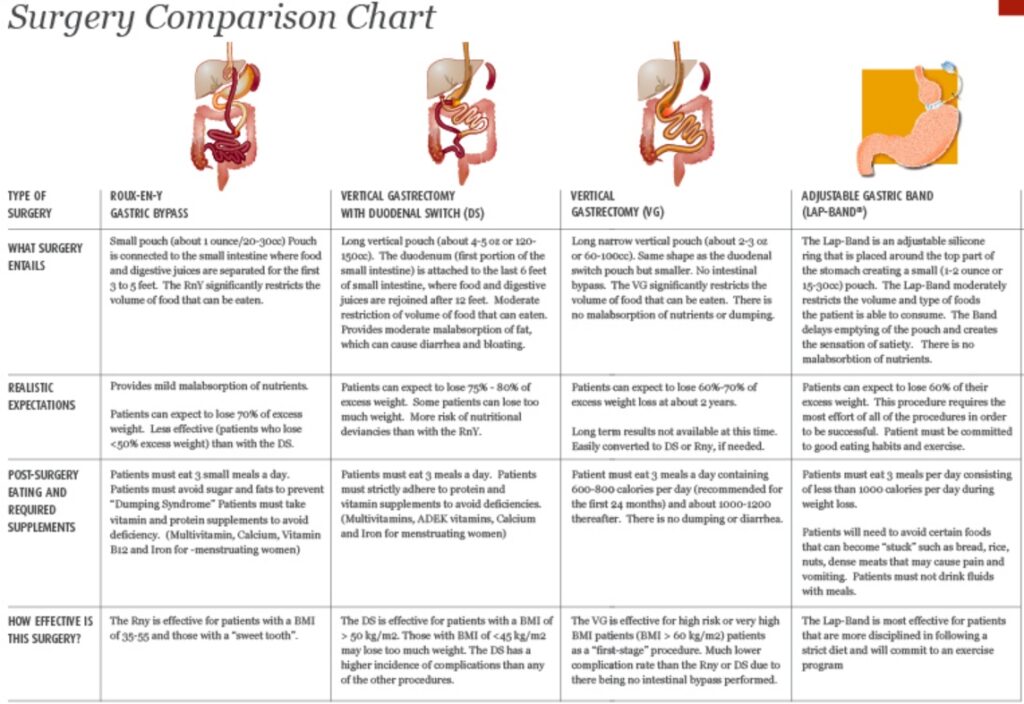
There are several types of weight reduction surgeries, including gastric bypass, gastric sleeve, and gastric banding. Each procedure works differently but ultimately aims to reduce the size of the stomach and/or change the way food is digested.
Benefits of Weight Reduction Surgery:
- Rapid Weight Loss: One of the primary benefits of weight reduction surgery is that it can lead to rapid and significant weight loss. This can help improve overall health and reduce the risk of obesity-related conditions such as diabetes, heart disease, and sleep apnea.
- Improved Quality of Life: Many individuals who undergo weight reduction surgery experience improved mobility, increased energy levels, and enhanced self-esteem. Losing excess weight can also alleviate joint pain and other physical discomforts associated with obesity.
- Long-Term Results: Unlike fad diets or temporary weight loss solutions, weight reduction surgery offers long-term results for many patients. By making permanent changes to the digestive system, individuals are more likely to maintain their weight loss over time.
- Resolution of Health Conditions: Weight reduction surgery has been shown to help resolve or improve obesity-related health conditions such as type 2 diabetes, high blood pressure, and high cholesterol. Many patients experience a significant reduction in medication dependence post-surgery.
If you are considering weight reduction surgery as a viable option for achieving your health goals, it is essential to consult with a qualified healthcare provider to assess your eligibility and discuss the potential risks and benefits. While weight reduction surgery can be life-changing for many individuals, it is crucial to approach this decision with careful consideration and thorough research.
Overall, weight reduction surgery offers a proven solution for individuals struggling with severe obesity to achieve sustainable weight loss and improve their overall quality of life. With advancements in surgical techniques and post-operative care, more individuals are finding success in their journey towards better health through bariatric surgery.
Everything You Need to Know About Weight Reduction Surgery: FAQs Answered
- What is weight reduction surgery?
- Am I a candidate for weight reduction surgery?
- What are the different types of weight reduction surgeries available?
- How much weight can I expect to lose after weight reduction surgery?
- What are the potential risks and complications associated with weight reduction surgery?
- Is weight reduction surgery covered by insurance?
- What lifestyle changes will I need to make post-surgery to ensure long-term success?
What is weight reduction surgery?
Weight reduction surgery, also known as bariatric surgery, is a medical procedure designed to help individuals achieve significant weight loss by altering the digestive system. This surgical intervention is typically recommended for individuals who are severely obese and have struggled to lose weight through traditional methods such as diet and exercise. There are various types of weight reduction surgeries, each with its own approach to reducing stomach size or changing the way food is digested. The primary goal of weight reduction surgery is to promote long-term weight loss, improve overall health, and reduce the risk of obesity-related health conditions. It is essential for individuals considering this option to consult with healthcare professionals to determine eligibility and understand the potential benefits and risks associated with the procedure.
Am I a candidate for weight reduction surgery?
Determining candidacy for weight reduction surgery involves a comprehensive evaluation by healthcare professionals specializing in bariatric care. Factors such as body mass index (BMI), obesity-related health conditions, previous weight loss attempts, and overall physical and mental health are taken into consideration. Generally, candidates for weight reduction surgery are individuals with a BMI of 40 or higher, or a BMI of 35 or higher with significant obesity-related health issues. It is crucial for potential candidates to engage in open discussions with their healthcare providers to assess their suitability for bariatric surgery and explore personalized treatment options that align with their health goals.
What are the different types of weight reduction surgeries available?
When considering weight reduction surgery, individuals often inquire about the various types of procedures available to help them achieve their weight loss goals. Common types of weight reduction surgeries include gastric bypass, gastric sleeve, and gastric banding. Gastric bypass involves creating a smaller stomach pouch and rerouting the digestive system to limit food intake and absorption. Gastric sleeve surgery involves removing a portion of the stomach to reduce its size and capacity. Gastric banding utilizes an adjustable band to restrict food intake by creating a smaller stomach pouch. Each type of weight reduction surgery offers unique benefits and considerations, and consulting with a healthcare provider is crucial in determining the most suitable option based on individual needs and health conditions.
How much weight can I expect to lose after weight reduction surgery?
After weight reduction surgery, the amount of weight you can expect to lose varies depending on several factors, including the type of procedure you undergo, your starting weight, lifestyle changes post-surgery, and adherence to dietary guidelines. On average, patients can typically expect to lose 50-70% of their excess body weight within the first year following surgery. Some individuals may continue to lose weight beyond the first year, while others may reach a plateau. It is important to remember that weight loss results are individualized and can vary from person to person. Your healthcare provider will work closely with you to set realistic goals and support you throughout your weight loss journey post-surgery.
What are the potential risks and complications associated with weight reduction surgery?
Weight reduction surgery, while offering significant benefits for individuals struggling with severe obesity, also comes with potential risks and complications that need to be carefully considered. Some common risks associated with weight reduction surgery include infection, blood clots, adverse reactions to anesthesia, and digestive issues such as dumping syndrome or malnutrition. Complications can arise post-surgery, such as hernias, gallstones, or ulcers. It is essential for individuals considering weight reduction surgery to discuss these risks with their healthcare provider and understand the importance of thorough pre-operative evaluations and ongoing post-operative care to minimize the likelihood of complications and ensure a successful outcome.
Is weight reduction surgery covered by insurance?
Weight reduction surgery coverage by insurance varies depending on the insurance provider and the specific policy. In many cases, insurance companies may cover weight reduction surgery if it is deemed medically necessary to treat severe obesity and related health conditions. Prior authorization, documentation of medical necessity, and meeting specific criteria set by the insurance provider are often required for coverage approval. It is advisable for individuals considering weight reduction surgery to consult with their insurance company to understand their coverage options, potential out-of-pocket costs, and any pre-approval requirements before proceeding with the procedure.
What lifestyle changes will I need to make post-surgery to ensure long-term success?
After undergoing weight reduction surgery, making significant lifestyle changes is crucial to ensuring long-term success and maintaining a healthy weight. Patients will need to adopt a balanced and nutritious diet that supports their body’s needs while promoting weight loss. This may involve portion control, focusing on protein-rich foods, and limiting high-calorie and sugary items. Regular physical activity is also essential to help burn calories, build muscle, and improve overall health. Developing sustainable exercise habits tailored to individual capabilities and preferences is key. Additionally, patients should prioritize adequate hydration, proper sleep, stress management techniques, and ongoing follow-up care with healthcare providers to monitor progress and address any challenges that may arise. By embracing these lifestyle changes post-surgery, individuals can optimize their results and enjoy long-lasting benefits of improved health and well-being.