Empowering Healthcare Choices: Navigating the World of Advance Medical Directives
Understanding Advance Medical Directives: A Guide to Making Informed Healthcare Decisions
Advance medical directives are legal documents that allow individuals to outline their preferences for medical treatment in the event they become unable to communicate their wishes. These directives empower individuals to make decisions about their healthcare while they are still capable of doing so, ensuring that their wishes are respected even if they are unable to express them later on.
The Importance of Advance Medical Directives
Advance medical directives serve as a crucial tool in ensuring that individuals receive the type of care they desire, particularly in situations where they may be incapacitated or unable to make decisions for themselves. By clearly outlining their preferences regarding life-sustaining treatments, end-of-life care, and other medical interventions, individuals can provide guidance to healthcare providers and loved ones during critical moments.
Types of Advance Medical Directives
There are several types of advance medical directives that individuals can choose from:
- Living Will: A document that specifies the types of medical treatments an individual does or does not want in certain situations.
- Durable Power of Attorney for Healthcare: Designates a trusted individual to make healthcare decisions on behalf of the individual if they are unable to do so themselves.
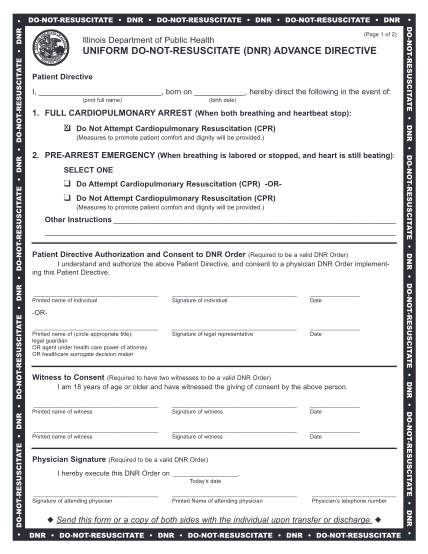
- Do Not Resuscitate (DNR) Order: Instructs healthcare providers not to perform cardiopulmonary resuscitation (CPR) if the individual’s heart stops or they stop breathing.
Making Your Wishes Known
To create an advance medical directive, individuals should consult with their healthcare provider or legal counsel to ensure that the document complies with state laws and accurately reflects their wishes. It is important to discuss these preferences with family members, caregivers, and healthcare providers so that everyone is aware of the individual’s desires regarding medical treatment.
Reviewing and Updating Your Directive
It is essential for individuals to review and update their advance medical directive periodically or whenever there is a significant change in their health status or personal circumstances. By keeping the document current, individuals can ensure that it accurately reflects their current wishes and preferences for medical care.
In Conclusion
Advance medical directives offer individuals peace of mind knowing that their healthcare decisions will be honored even if they are unable to communicate them in the future. By taking proactive steps to create an advance directive, individuals can assert control over their medical treatment and ensure that their values and beliefs guide their care during challenging times.
Understanding Advance Medical Directives: Common Questions Answered
- What are the three types of advance directives?
- What’s the difference between a will and directive?
- How do I get an advance directive in California?
- How do I get an advance directive in Maryland?
- Is an advanced directive the same as a DNR?
- What is the purpose of an advance directive?
- What is the main purpose of an advance directive?
What are the three types of advance directives?
There are three main types of advance directives: the living will, the durable power of attorney for healthcare, and the do not resuscitate (DNR) order. A living will allows individuals to specify the types of medical treatments they do or do not want in certain situations. The durable power of attorney for healthcare designates a trusted individual to make healthcare decisions on behalf of the individual if they are unable to do so themselves. The DNR order instructs healthcare providers not to perform CPR if the individual’s heart stops or they stop breathing. Each type of advance directive plays a crucial role in ensuring that individuals’ preferences for medical care are respected and followed when they are unable to communicate their wishes.
What’s the difference between a will and directive?
A common question that arises regarding advance medical directives is the distinction between a will and a directive. While a will outlines how an individual’s assets and property should be distributed after their passing, an advance medical directive focuses on healthcare decisions during their lifetime. A will primarily deals with matters related to inheritance and estate planning, whereas a directive specifically addresses preferences for medical treatment and end-of-life care. Understanding this difference is crucial in ensuring that both legal documents accurately reflect an individual’s wishes and provide guidance to loved ones and healthcare providers in different scenarios.
How do I get an advance directive in California?
To obtain an advance directive in California, individuals can take several steps to ensure their healthcare preferences are documented and legally binding. Firstly, individuals can download the required forms from reputable sources such as the California Department of Public Health website or consult with healthcare providers, legal professionals, or organizations specializing in advance directives. It is crucial to carefully fill out the forms, sign them in the presence of witnesses or a notary public as required by California law, and distribute copies to healthcare providers, family members, and designated decision-makers. By proactively obtaining an advance directive in California, individuals can assert control over their medical care decisions and ensure that their wishes are respected during critical healthcare situations.
How do I get an advance directive in Maryland?
To obtain an advance directive in Maryland, individuals can access the necessary forms through various sources, including healthcare providers, hospitals, legal services, or online resources provided by the Maryland Attorney General’s office. It is essential to carefully review the instructions accompanying the forms and consider seeking guidance from legal professionals or healthcare providers to ensure that the document accurately reflects their wishes and complies with state regulations. By proactively obtaining an advance directive in Maryland, individuals can take a significant step towards ensuring that their healthcare preferences are known and respected in critical situations where they may be unable to communicate their desires.
Is an advanced directive the same as a DNR?
An advance directive and a Do Not Resuscitate (DNR) order are not the same. While both documents address healthcare preferences, they serve different purposes. An advance directive outlines a person’s wishes for medical treatment in various situations, including end-of-life care, whereas a DNR order specifically instructs healthcare providers not to perform cardiopulmonary resuscitation (CPR) if the individual’s heart stops or they stop breathing. It is important for individuals to understand the distinctions between these documents and ensure that their healthcare preferences are clearly communicated through the appropriate legal channels.
What is the purpose of an advance directive?
The purpose of an advance directive is to empower individuals to make decisions about their medical care in advance, ensuring that their healthcare preferences are respected even if they are unable to communicate them later on. By creating an advance directive, individuals can outline their wishes regarding life-sustaining treatments, end-of-life care, and other medical interventions, providing guidance to healthcare providers and loved ones during critical moments. This legal document serves as a roadmap for healthcare decision-making, allowing individuals to maintain control over their medical treatment and ensure that their values and beliefs guide their care when they are unable to advocate for themselves.
What is the main purpose of an advance directive?
The main purpose of an advance directive is to empower individuals to make decisions about their healthcare in advance, ensuring that their preferences for medical treatment are known and respected even if they are unable to communicate them later on. By creating an advance directive, individuals can outline their wishes regarding life-sustaining treatments, end-of-life care, and other medical interventions, providing guidance to healthcare providers and loved ones during critical moments. This legal document serves as a valuable tool in advocating for personalized and dignified care that aligns with an individual’s values and beliefs.