Empowering Your Healthcare Choices: Understanding the Importance of a Health Care Directive
The Importance of Health Care Directives
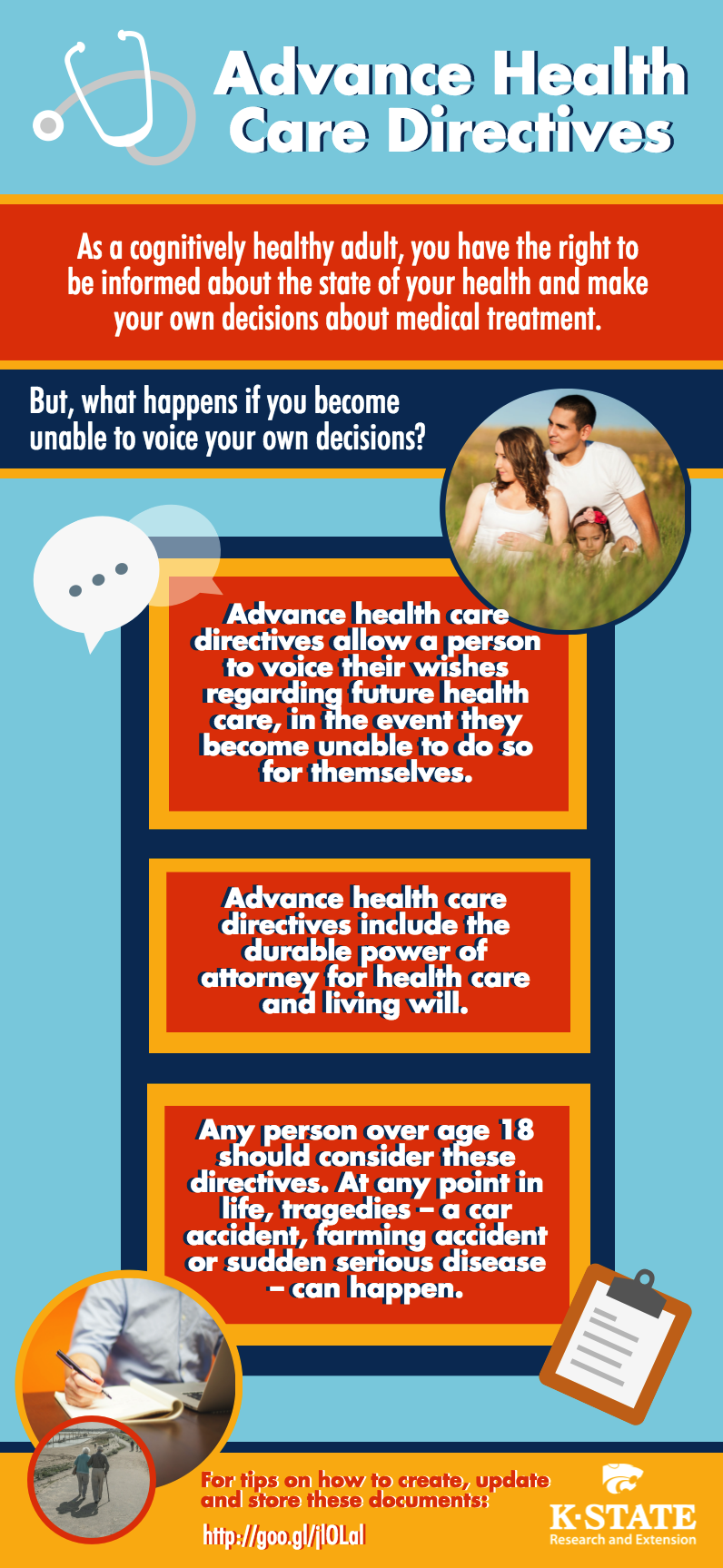
A health care directive, also known as an advance directive or living will, is a legal document that allows you to specify your preferences for medical treatment in the event that you are unable to communicate your wishes due to illness or incapacity.
Health care directives ensure that your medical decisions align with your values and beliefs, providing guidance to healthcare providers and loved ones during critical moments. By outlining your preferences regarding life-sustaining treatments, end-of-life care, and other medical interventions, you retain control over your health care even when you are unable to express your wishes verbally.
Types of Health Care Directives
There are two main types of health care directives:
- Living Will: A living will outlines the types of medical treatments you wish to receive or avoid in specific situations. This document typically addresses scenarios such as terminal illness or permanent unconsciousness.
- Durable Power of Attorney for Health Care: This directive appoints a trusted individual (health care proxy or agent) to make medical decisions on your behalf if you are unable to do so. Your appointed agent should be someone who understands your values and preferences regarding healthcare.
Creating a Health Care Directive
To create a health care directive, consult with an attorney or use state-specific forms available online. Be sure to discuss your wishes with family members and healthcare providers to ensure they understand and respect your decisions.
Review and update your health care directive regularly, especially after major life events or changes in health status. By keeping your directive current, you can be confident that it accurately reflects your desires for medical treatment.
Conclusion
In conclusion, a health care directive empowers individuals to advocate for their own healthcare preferences and ensures that their wishes are honored during times of incapacity. By proactively creating a clear and comprehensive directive, you can provide peace of mind for yourself and loved ones while promoting dignity and autonomy in medical decision-making.
Understanding Health Care Directives: Examples, Meanings, and Differences
- What is an example of a care directive?
- What is the difference between a living will and a health care directive?
- What is the meaning of health care directive?
- What is the meaning of health directive?
- What are the health care directives in Ohio?
What is an example of a care directive?
An example of a care directive is a living will, which is a legal document that allows individuals to outline their preferences for medical treatment in specific situations where they may be unable to communicate their wishes. In a living will, one can specify the types of medical interventions they would like to receive or avoid, particularly in scenarios such as terminal illness or permanent unconsciousness. By clearly stating their healthcare preferences in a living will, individuals ensure that their wishes are known and respected by healthcare providers and loved ones when they are unable to make decisions for themselves.
What is the difference between a living will and a health care directive?
A common question regarding health care directives is the distinction between a living will and a health care directive. While the terms are often used interchangeably, they refer to two distinct types of legal documents. A living will specifically outlines an individual’s preferences for medical treatments in specific situations, such as end-of-life care or terminal illness. On the other hand, a health care directive encompasses a broader scope and may include a living will as well as appointing a healthcare proxy to make decisions on behalf of the individual if they are unable to do so. Understanding this difference is crucial in ensuring that one’s medical wishes are accurately documented and communicated to healthcare providers and family members.
What is the meaning of health care directive?
A health care directive, also referred to as an advance directive or living will, is a legal document that allows individuals to outline their preferences for medical treatment in the event that they are unable to communicate their wishes due to illness or incapacity. This document serves as a guide for healthcare providers and loved ones, ensuring that the individual’s medical decisions align with their values and beliefs. By specifying preferences regarding life-sustaining treatments, end-of-life care, and other medical interventions, a health care directive empowers individuals to maintain control over their healthcare even when they are unable to express their wishes verbally.
What is the meaning of health directive?
A health care directive, also known as an advance directive or living will, is a legal document that allows individuals to outline their preferences for medical treatment in the event of incapacity. This document serves as a guide for healthcare providers and loved ones, ensuring that the individual’s wishes regarding life-sustaining treatments, end-of-life care, and other medical interventions are respected. By clearly defining their healthcare preferences in a health care directive, individuals can maintain control over their medical decisions even if they are unable to communicate them verbally.
What are the health care directives in Ohio?
In Ohio, health care directives play a crucial role in empowering individuals to make informed decisions about their medical treatment preferences. The state recognizes two primary types of health care directives: living wills and durable powers of attorney for health care. A living will allows individuals to outline their desires regarding specific medical treatments in various scenarios, such as end-of-life care. On the other hand, a durable power of attorney for health care enables individuals to designate a trusted agent to make healthcare decisions on their behalf if they become incapacitated. By understanding and utilizing these health care directives in Ohio, individuals can ensure that their healthcare wishes are respected and honored during critical moments of medical decision-making.