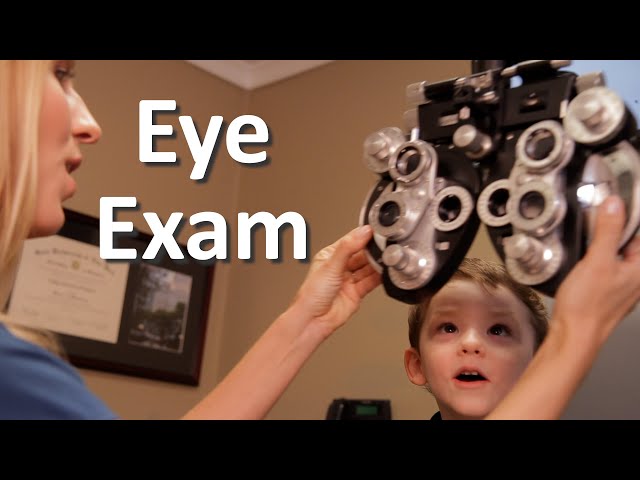
Importance of Regular Eye Exams for Optimal Vision Health
The Importance of Regular Eye Exams
Regular eye exams are crucial for maintaining good eye health and overall well-being. Many people often overlook the significance of scheduling routine eye check-ups, assuming that as long as their vision seems fine, there is no need to see an eye doctor. However, comprehensive eye exams are essential for detecting potential eye problems early on and preventing serious vision issues.
Early Detection of Eye Conditions
Eye exams can help identify various eye conditions and diseases that may not present obvious symptoms in their early stages. Conditions such as glaucoma, macular degeneration, diabetic retinopathy, and cataracts can be detected through a comprehensive eye exam before they cause significant vision loss.
Prescription Updates
Regular eye exams are necessary for updating eyeglass or contact lens prescriptions. Vision changes can occur gradually over time, and an updated prescription can help ensure that you maintain optimal visual acuity for daily activities.
Overall Health Monitoring
Eye exams can also provide insights into your overall health status. Certain systemic conditions like diabetes, hypertension, and autoimmune diseases may manifest symptoms in the eyes. An eye doctor can detect signs of these conditions during an exam and recommend further medical evaluation if necessary.
Preventative Care
By undergoing regular eye exams, individuals can proactively address any potential issues before they escalate into more serious problems. Early detection and intervention can help preserve vision and prevent irreversible damage to the eyes.
Schedule Your Eye Exam Today
Don’t wait until you experience noticeable vision problems to schedule an eye exam. It is recommended that adults have a comprehensive eye exam at least once every two years or as advised by an optometrist or ophthalmologist. Children should have their eyes examined regularly to ensure healthy visual development.
Take charge of your eye health by prioritizing regular eye exams. Your eyes are invaluable assets that deserve proper care and attention.
6 Reasons Why Regular Eye Exams Are Essential for Your Health
- Early detection of eye conditions
- Updated prescription for optimal vision
- Insights into overall health status
- Preventative care to preserve vision
- Detection of systemic diseases through eye symptoms
- Proactive approach to eye health maintenance
Understanding the Drawbacks of Eye Exams: Cost, Time, Discomfort, and Anxiety
Early detection of eye conditions
Regular eye exams offer the significant benefit of early detection of eye conditions. By undergoing comprehensive eye exams, individuals can identify potential eye diseases and issues in their initial stages, even before noticeable symptoms arise. Detecting conditions such as glaucoma, macular degeneration, diabetic retinopathy, and cataracts early on allows for timely intervention and treatment to prevent further progression and preserve vision health. Early detection through eye exams plays a crucial role in maintaining optimal eye health and overall well-being.
Updated prescription for optimal vision
Regular eye exams provide the invaluable benefit of ensuring an updated prescription for optimal vision. Vision changes can occur gradually over time, affecting our ability to see clearly and perform daily tasks with ease. By undergoing routine eye exams, individuals can receive an accurate prescription for eyeglasses or contact lenses that align with their current visual needs. This updated prescription not only enhances visual acuity but also promotes overall eye comfort and efficiency, allowing individuals to navigate the world with clarity and confidence.
Insights into overall health status
Eye exams provide valuable insights into an individual’s overall health status beyond just visual acuity. By examining the eyes, optometrists and ophthalmologists can detect early signs of systemic conditions such as diabetes, hypertension, and autoimmune diseases. Changes in the blood vessels, optic nerve, and retina can indicate underlying health issues that may require further medical attention. Regular eye exams serve as a proactive measure in monitoring one’s well-being and can prompt timely intervention to address potential health concerns before they progress.
Preventative care to preserve vision
Regular eye exams serve as a crucial aspect of preventative care to preserve vision. By detecting potential eye problems early on, such as glaucoma, macular degeneration, and diabetic retinopathy, eye exams enable timely intervention to maintain optimal eye health. Preventative measures taken based on the findings of these exams can help prevent irreversible damage to the eyes and ensure that individuals can enjoy clear vision for years to come. Prioritizing routine eye exams as a form of preventative care is a proactive approach towards safeguarding one’s vision and overall well-being.
Detection of systemic diseases through eye symptoms
One significant benefit of regular eye exams is the early detection of systemic diseases through eye symptoms. The eyes can provide valuable insights into a person’s overall health, as certain systemic conditions like diabetes, hypertension, and autoimmune diseases may manifest symptoms in the eyes. By identifying these signs during an eye exam, healthcare providers can recommend further evaluation and treatment, potentially leading to the early management of underlying health issues and improving overall health outcomes. Regular eye exams not only help preserve vision but also serve as a proactive measure in monitoring and addressing potential systemic diseases.
Proactive approach to eye health maintenance
Taking a proactive approach to eye health maintenance through regular eye exams is a key benefit that cannot be overstated. By scheduling routine eye check-ups, individuals can detect potential eye problems early on, allowing for timely intervention and treatment. This proactive stance not only helps in preserving vision but also contributes to overall well-being by addressing any underlying issues before they escalate. Investing in regular eye exams is an investment in long-term eye health and quality of life, enabling individuals to stay ahead of any potential vision challenges and maintain optimal visual acuity for years to come.
Cost
The cost of eye exams can present a significant barrier to accessing essential eye care, particularly for individuals without vision insurance coverage. Without insurance, the expense of a comprehensive eye exam, along with potential additional tests or treatments, can be prohibitive for many people. This financial burden may lead some individuals to postpone or forego necessary eye exams, putting their vision health at risk. The high cost of eye care highlights the need for affordable and accessible healthcare options to ensure that everyone can prioritize their eye health without facing financial strain.
Time-consuming
One significant drawback of eye exams is the time-consuming nature of scheduling and attending these appointments. The process of setting aside time for an eye exam may necessitate individuals to take time off from work or rearrange other commitments in their busy schedules. This can be inconvenient and disruptive, especially for those with demanding work responsibilities or limited flexibility in their daily routines. The need to allocate a block of time for the exam, travel to the eye care provider, undergo the examination, and potentially wait for results can pose challenges for individuals striving to balance various obligations effectively.
Discomfort
For some individuals, a notable drawback of eye exams is the potential discomfort associated with certain procedures. The use of bright lights, eye drops, or devices that come into close contact with the eyes can be unsettling or even painful for some patients. This discomfort may lead to anxiety or reluctance to undergo regular eye exams, ultimately impacting their willingness to prioritize their eye health. Addressing and acknowledging these concerns with healthcare providers can help tailor the exam experience to minimize discomfort and ensure a more positive patient experience overall.
Anxiety
Anxiety is a significant con associated with eye exams, as the fear of potential eye health issues or receiving unfavorable news can trigger heightened stress and unease in some individuals. The anticipation of unknown outcomes and the possibility of confronting vision-related problems can lead to increased anxiety levels, making the exam experience daunting for those affected. Managing this anxiety is crucial to ensure that individuals feel comfortable and at ease during their eye exams, allowing them to receive the necessary care and attention without unnecessary distress.