Transforming Lives: The Impact of Bariatric Surgery on Obesity Management
The Rise of Bariatric Surgery in Addressing Obesity
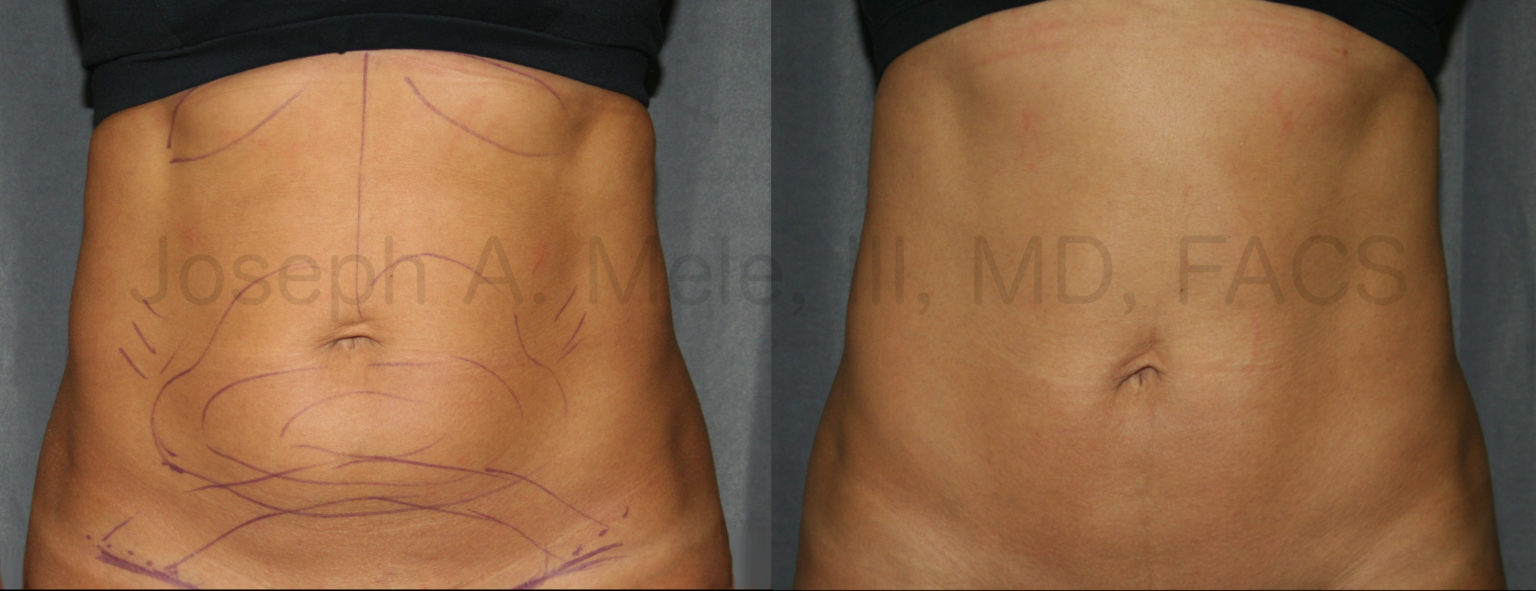
Obesity has become a global health epidemic, affecting millions of individuals worldwide. In response to this growing concern, bariatric surgery has emerged as a powerful tool in the fight against obesity.
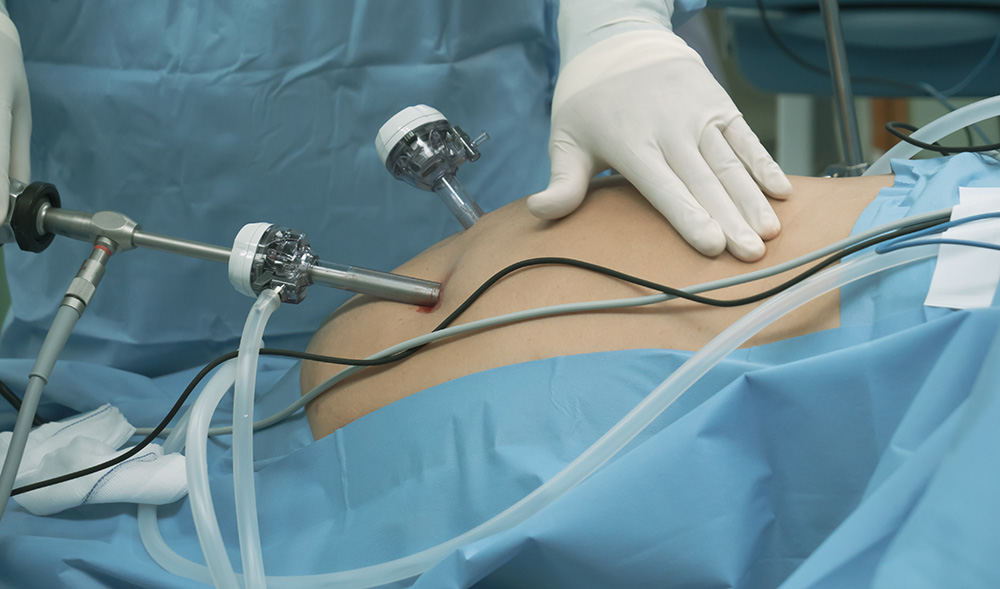
Bariatric surgery, also known as weight loss surgery, encompasses a variety of procedures designed to help individuals lose weight by altering their digestive system. These procedures can range from gastric bypass and sleeve gastrectomy to gastric banding and biliopancreatic diversion with duodenal switch.
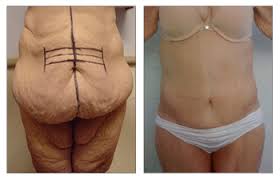
One of the key benefits of bariatric surgery is its ability to provide long-term weight loss results for individuals who have struggled to achieve and maintain a healthy weight through traditional methods such as diet and exercise. By reducing the size of the stomach or changing the way food is digested, bariatric surgery helps patients feel full sooner and consume fewer calories.
Furthermore, bariatric surgery has been shown to improve or resolve obesity-related conditions such as type 2 diabetes, hypertension, sleep apnea, and joint pain. This not only leads to better health outcomes but also enhances the overall quality of life for patients.
Despite its effectiveness, bariatric surgery is not without risks and considerations. Patients must undergo thorough evaluation and counseling before undergoing the procedure to ensure they are well-informed about the potential benefits and risks involved. Post-surgery lifestyle changes, including dietary modifications and regular exercise, are also crucial for long-term success.
In conclusion, bariatric surgery represents a significant advancement in the treatment of obesity and its associated health issues. With careful consideration and appropriate guidance from healthcare professionals, individuals struggling with obesity can find hope in achieving sustainable weight loss and improved well-being through bariatric surgery.
7 Essential Tips for Successful Bariatric Surgery Aftercare
- Follow a balanced and nutritious diet to support weight loss and overall health.
- Stay hydrated by drinking plenty of water throughout the day.
- Engage in regular physical activity to help maintain weight loss and improve fitness levels.
- Attend follow-up appointments with healthcare providers for monitoring and support.
- Join a support group or seek counseling to address emotional aspects of weight management.
- Avoid high-calorie, low-nutrient foods that can hinder progress towards weight loss goals.
- Take prescribed medications as directed by healthcare professionals to manage any related health conditions.
Follow a balanced and nutritious diet to support weight loss and overall health.
Following a balanced and nutritious diet is essential for individuals undergoing bariatric surgery to support their weight loss goals and overall health. A diet rich in lean proteins, fruits, vegetables, whole grains, and healthy fats can help patients recover from surgery, maintain muscle mass, and promote long-term weight management. By focusing on nutrient-dense foods and portion control, bariatric patients can optimize their nutritional intake while reducing the risk of deficiencies. Consulting with a registered dietitian or nutritionist can provide personalized guidance on creating a sustainable eating plan that aligns with individual needs and health goals.
Stay hydrated by drinking plenty of water throughout the day.
Staying hydrated is crucial for individuals undergoing bariatric surgery or weight loss journey. Drinking an adequate amount of water throughout the day not only helps in maintaining hydration but also aids in digestion, nutrient absorption, and overall well-being. Water can also help control appetite and prevent overeating by creating a feeling of fullness. It is recommended to sip water regularly between meals to stay hydrated and support the body’s healing process after bariatric surgery.
Engage in regular physical activity to help maintain weight loss and improve fitness levels.
Engaging in regular physical activity is a crucial component of maintaining weight loss and enhancing fitness levels following bariatric surgery. By incorporating exercise into your daily routine, you not only support your body in burning calories and building muscle but also improve your overall health and well-being. Physical activity can help boost metabolism, increase energy levels, and promote a sense of accomplishment and confidence in your post-surgery journey. Whether it’s walking, swimming, cycling, or strength training, finding activities that you enjoy and can sustain long-term is key to reaping the benefits of an active lifestyle after bariatric surgery.
Attend follow-up appointments with healthcare providers for monitoring and support.
Attending follow-up appointments with healthcare providers is crucial for individuals who have undergone bariatric surgery. These appointments play a vital role in monitoring the patient’s progress, addressing any concerns or complications that may arise, and providing ongoing support and guidance. Regular follow-up visits allow healthcare providers to track weight loss, assess nutritional status, monitor for potential deficiencies, and make necessary adjustments to ensure the patient’s long-term success and well-being. By actively participating in follow-up appointments, patients can stay on track with their weight loss journey and receive the necessary care to optimize their health outcomes post-surgery.
Join a support group or seek counseling to address emotional aspects of weight management.
Joining a support group or seeking counseling can be invaluable in addressing the emotional aspects of weight management, especially for individuals undergoing bariatric surgery. Dealing with weight-related issues involves not only physical changes but also emotional challenges such as body image concerns, self-esteem issues, and coping with lifestyle adjustments. A support group provides a safe space to share experiences, receive encouragement, and gain valuable insights from others facing similar struggles. Counseling can offer personalized guidance and strategies to navigate emotional hurdles effectively, fostering a positive mindset crucial for long-term success in weight management.
Avoid high-calorie, low-nutrient foods that can hinder progress towards weight loss goals.
To maximize the effectiveness of bariatric surgery and support weight loss goals, it is essential to steer clear of high-calorie, low-nutrient foods that can impede progress. These types of foods not only provide little nutritional value but also contribute to weight gain and hinder the body’s ability to shed excess pounds. By focusing on nutrient-dense, whole foods that nourish the body and support overall health, individuals undergoing bariatric surgery can enhance their weight loss journey and achieve sustainable results.
Take prescribed medications as directed by healthcare professionals to manage any related health conditions.
It is essential for individuals undergoing bariatric surgery to take prescribed medications as directed by healthcare professionals to effectively manage any related health conditions. Following the recommended medication regimen post-surgery is crucial in ensuring optimal recovery and addressing any underlying health issues associated with obesity. By adhering to the prescribed treatment plan, patients can support their overall well-being and maximize the benefits of bariatric surgery in achieving long-term weight loss and improved health outcomes.