Advancements in Radiation Oncology Treatment: Enhancing Cancer Care with Precision Therapy
The Role of Radiation Oncology in Cancer Treatment
Radiation oncology is a vital component of cancer treatment that utilizes high-energy radiation to target and destroy cancer cells. This specialized form of therapy plays a crucial role in both curative and palliative care for cancer patients.
How Radiation Oncology Works
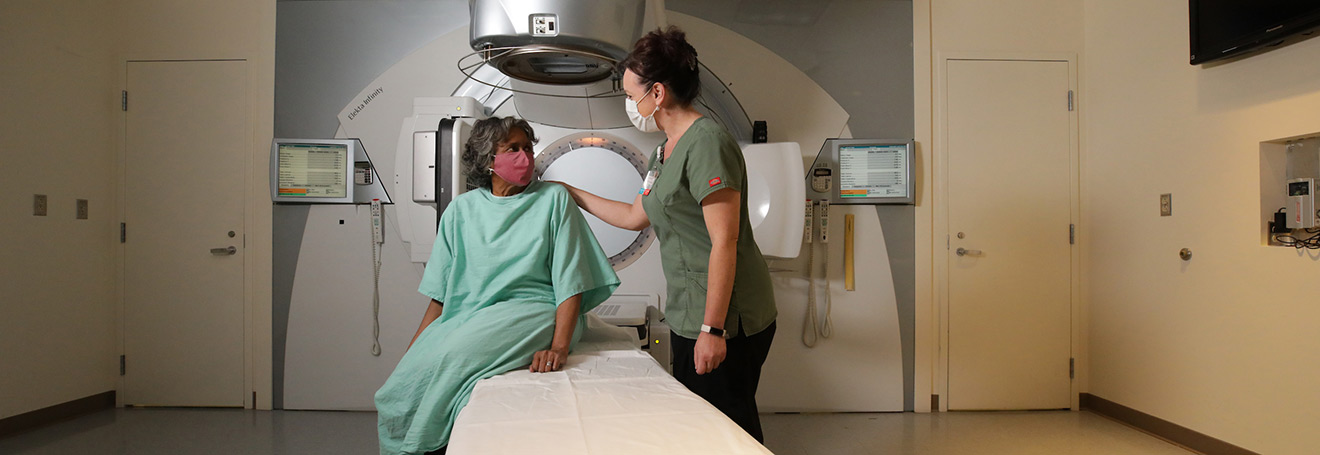
During radiation oncology treatment, a radiation oncologist carefully plans and delivers targeted doses of radiation to specific areas of the body affected by cancer. The goal is to damage the DNA within cancer cells, preventing them from dividing and growing further.
Types of Radiation Therapy
There are different types of radiation therapy used in oncology, including:
- External Beam Radiation: This involves directing radiation from a machine outside the body towards the tumor.
- Internal Radiation (Brachytherapy): Radioactive sources are placed inside or near the tumor to deliver targeted radiation.
- Radiosurgery: High-dose radiation is delivered precisely to small tumors or specific areas within the brain.
Benefits and Side Effects
Radiation therapy offers several benefits, such as shrinking tumors, relieving symptoms, and improving quality of life for cancer patients. However, it can also cause side effects such as fatigue, skin changes, and temporary hair loss. The radiation oncology team works closely with patients to manage side effects effectively.
Advancements in Radiation Oncology
Recent advancements in technology have enhanced the precision and effectiveness of radiation therapy. Techniques like intensity-modulated radiation therapy (IMRT), image-guided radiation therapy (IGRT), and proton therapy allow for more targeted treatment delivery while minimizing damage to surrounding healthy tissues.
In Conclusion
Radiation oncology remains a cornerstone in the comprehensive care of cancer patients. By harnessing the power of advanced technology and medical expertise, radiation oncologists continue to make significant strides in improving treatment outcomes and enhancing patient quality of life.
7 Essential Tips for Navigating Radiation Oncology Treatment
- Follow your treatment plan as prescribed by your healthcare provider.
- Stay well-hydrated before and after each radiation therapy session.
- Communicate any side effects or concerns with your healthcare team promptly.
- Protect your skin in the treated area from sun exposure during and after treatment.
- Maintain a balanced diet to support your overall health and recovery.
- Get plenty of rest to help your body recover from the effects of radiation therapy.
- Engage in light physical activity, if possible, to help maintain strength and energy levels.
Follow your treatment plan as prescribed by your healthcare provider.
It is crucial to adhere to your prescribed treatment plan provided by your healthcare provider when undergoing radiation oncology treatment. Following the recommended schedule and dosage of radiation therapy is essential for the effectiveness of the treatment and maximizing its benefits. Your healthcare team has carefully designed the plan based on your specific condition and needs, so staying compliant with it ensures that you receive the intended therapeutic outcomes while minimizing potential risks or complications. Trusting your healthcare provider’s expertise and following their guidance diligently will help you achieve the best possible results in your cancer treatment journey.
Stay well-hydrated before and after each radiation therapy session.
It is essential to stay well-hydrated before and after each radiation therapy session. Adequate hydration can help support the body’s ability to repair and recover from the effects of radiation treatment. Drinking plenty of water before the session can help improve the circulation of oxygen and nutrients in the body, potentially enhancing the effectiveness of the treatment. Similarly, staying hydrated after the session can aid in flushing out any toxins released during radiation therapy, promoting overall well-being and minimizing potential side effects. Maintaining proper hydration levels is a simple yet crucial step in supporting the body through the course of radiation oncology treatment.
Communicate any side effects or concerns with your healthcare team promptly.
It is crucial to communicate any side effects or concerns promptly with your healthcare team during radiation oncology treatment. Open and honest communication ensures that your medical team can address any issues effectively and provide you with the necessary support and care. By sharing your experiences, you empower your healthcare providers to make informed decisions about adjusting your treatment plan or managing potential side effects. Remember, your well-being is their top priority, so do not hesitate to voice any questions or concerns that may arise throughout your treatment journey.
Protect your skin in the treated area from sun exposure during and after treatment.
It is crucial to protect your skin in the treated area from sun exposure both during and after radiation oncology treatment. Radiation therapy can make the skin more sensitive to sunlight, increasing the risk of sunburn and skin damage. To prevent potential complications, it is recommended to cover the treated area with clothing or use sunscreen with a high SPF level when going outdoors. By taking proactive measures to shield your skin from the sun’s harmful rays, you can help promote healing and minimize discomfort during your treatment journey.
Maintain a balanced diet to support your overall health and recovery.
Maintaining a balanced diet is crucial for individuals undergoing radiation oncology treatment as it plays a significant role in supporting overall health and aiding in the recovery process. A diet rich in essential nutrients, vitamins, and minerals can help strengthen the immune system, promote healing, and combat potential side effects of radiation therapy. By fueling the body with the right nutrients, patients can optimize their energy levels, maintain muscle mass, and enhance their overall well-being during treatment. Consulting with a healthcare provider or nutritionist to develop a personalized dietary plan tailored to individual needs can further support the effectiveness of radiation oncology treatment and contribute to a smoother recovery journey.
Get plenty of rest to help your body recover from the effects of radiation therapy.
Getting plenty of rest is crucial to aid your body in recovering from the effects of radiation therapy. Rest allows your body to heal and repair itself, promoting overall well-being during the treatment process. By prioritizing adequate rest, you can help minimize fatigue, support your immune system, and optimize the benefits of radiation therapy. Remember to listen to your body’s needs and give yourself the time and space to recuperate effectively.
Engage in light physical activity, if possible, to help maintain strength and energy levels.
Engaging in light physical activity, if feasible, is a beneficial tip for individuals undergoing radiation oncology treatment. By incorporating gentle exercise into their routine, patients can help maintain their strength and energy levels during this challenging time. Light physical activity, such as short walks or stretching exercises, can not only combat fatigue but also promote overall well-being and improve mood. Consult with your healthcare team to determine the appropriate level of activity that suits your individual needs and capabilities while undergoing radiation therapy.