Empowering Recovery: The Transformative Impact of Rehabilitative Care
The Importance of Rehabilitative Care in Recovery
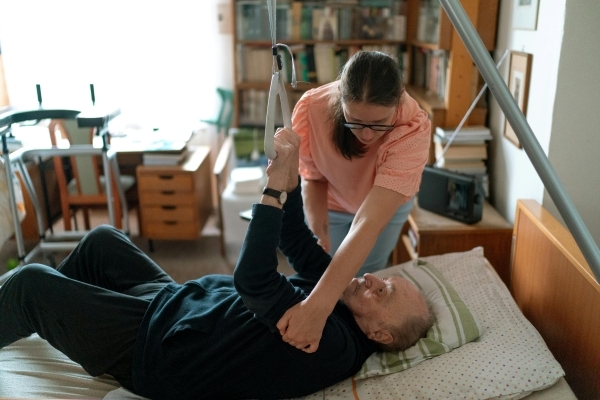
Rehabilitative care plays a crucial role in the recovery process for individuals facing various health challenges, injuries, or surgeries. Whether recovering from a stroke, orthopedic surgery, or a sports injury, rehabilitation helps patients regain strength, mobility, and independence.
One of the key benefits of rehabilitative care is its focus on personalized treatment plans tailored to each individual’s specific needs. Through a combination of physical therapy, occupational therapy, and other specialized interventions, patients can work towards restoring function and improving their quality of life.
Rehabilitation also provides emotional support and encouragement to patients during what can be a challenging and sometimes frustrating journey. The guidance and expertise of rehabilitation professionals help individuals stay motivated and committed to their recovery goals.
Furthermore, rehabilitative care helps prevent complications that may arise from prolonged immobility or inadequate recovery. By engaging in targeted exercises and therapies, patients can reduce the risk of muscle atrophy, joint stiffness, and other issues that could hinder their progress.
Overall, the comprehensive approach of rehabilitative care addresses not only the physical aspects of recovery but also the mental and emotional well-being of patients. It empowers individuals to take an active role in their healing process and equips them with the tools they need to achieve optimal outcomes.
Whether recovering from a major surgery or managing a chronic condition, rehabilitative care offers hope and support to individuals seeking to restore their health and functionality. By investing in rehabilitation services, patients can pave the way for a smoother recovery journey and a brighter future ahead.
Understanding Rehabilitative Care: Answers to 7 Common Questions
- What is rehabilitative care?
- Who can benefit from rehabilitative services?
- What types of therapies are included in rehabilitative care?
- How long does a typical rehabilitation program last?
- What are the goals of rehabilitative treatment?
- Are there different levels of intensity in rehabilitative programs?
- How can I find a qualified rehabilitation facility or specialist?
What is rehabilitative care?
Rehabilitative care encompasses a range of specialized treatments and therapies designed to help individuals recover from injuries, surgeries, or health conditions. It focuses on restoring function, mobility, and independence through tailored rehabilitation plans that address each patient’s unique needs. By incorporating physical therapy, occupational therapy, and other interventions, rehabilitative care aims to improve quality of life and facilitate a successful recovery process. This holistic approach not only targets the physical aspects of healing but also provides emotional support and encouragement to patients as they work towards regaining strength and functionality.
Who can benefit from rehabilitative services?
Individuals from all walks of life can benefit from rehabilitative services. Whether recovering from a surgery, managing a chronic condition, or seeking to regain mobility after an injury, rehabilitation offers support and guidance tailored to each person’s unique needs. From athletes looking to return to peak performance to seniors aiming to maintain independence, rehabilitative services provide a pathway to improved physical function, emotional well-being, and overall quality of life. By working closely with skilled professionals in rehabilitation, individuals can unlock their potential for recovery and achieve their health goals with confidence and determination.
What types of therapies are included in rehabilitative care?
Rehabilitative care encompasses a range of therapies tailored to meet the unique needs of each individual undergoing recovery. Common types of therapies included in rehabilitative care may consist of physical therapy, which focuses on improving mobility and strength through targeted exercises and techniques. Occupational therapy is another essential component, aiding patients in regaining independence in daily activities and enhancing fine motor skills. Speech therapy may also be incorporated to address communication and swallowing difficulties. Additionally, other specialized therapies such as aquatic therapy, cognitive therapy, and vocational rehabilitation may be utilized based on the specific goals and requirements of the patient’s rehabilitation plan.
How long does a typical rehabilitation program last?
The duration of a typical rehabilitation program can vary depending on various factors, including the individual’s specific condition, the type of injury or surgery being addressed, and the progress made during the recovery process. In general, a standard rehabilitation program may last anywhere from a few weeks to several months. The goal of rehabilitation is to help patients regain strength, mobility, and function gradually over time. The duration of the program is often determined by the patient’s response to treatment, their overall health status, and the specific goals set by their healthcare team. It is essential for individuals undergoing rehabilitation to stay committed to their program and follow their therapists’ guidance to achieve optimal results.
What are the goals of rehabilitative treatment?
Rehabilitative treatment aims to help individuals recover and regain optimal function following an injury, illness, or surgery. The goals of rehabilitative treatment include improving physical strength, flexibility, and mobility, as well as enhancing coordination and balance. Additionally, rehabilitative care focuses on reducing pain and discomfort, restoring independence in daily activities, and promoting overall well-being. By setting specific and measurable goals tailored to each patient’s needs, rehabilitative treatment aims to empower individuals to achieve their maximum potential and improve their quality of life.
Are there different levels of intensity in rehabilitative programs?
In the realm of rehabilitative programs, varying levels of intensity exist to cater to the diverse needs and capabilities of individuals undergoing rehabilitation. These programs are often tailored based on factors such as the nature of the injury or condition, the individual’s physical abilities, and their overall health status. Some rehabilitative programs may focus on gentle exercises and mobility training for those with limited mobility or chronic conditions, while others may involve more intensive therapies and workouts for individuals recovering from major surgeries or acute injuries. The flexibility in intensity levels allows healthcare professionals to customize treatment plans that are both effective and safe, ensuring that patients receive the appropriate level of care to support their recovery journey.
How can I find a qualified rehabilitation facility or specialist?
Finding a qualified rehabilitation facility or specialist is a crucial step in your journey to recovery. Start by researching reputable healthcare providers in your area or beyond who specialize in the type of rehabilitation you require. Seek recommendations from your primary care physician, friends, or family members who may have experience with rehabilitative care. Look for facilities that are accredited, staffed with experienced professionals, and equipped with the necessary resources to support your specific needs. Don’t hesitate to ask about the credentials and expertise of the specialists who will be overseeing your care to ensure you receive high-quality and personalized rehabilitation services tailored to your individual requirements.