Exploring the Transformative Power of Gastric Sleeve Surgery on the Stomach
The Gastric Sleeve Stomach: A Comprehensive Guide
The gastric sleeve, also known as sleeve gastrectomy, is a surgical weight-loss procedure that involves reducing the size of the stomach to help individuals achieve significant and sustainable weight loss. This minimally invasive surgery has gained popularity as an effective treatment for obesity and related health conditions.
Understanding the Gastric Sleeve Procedure
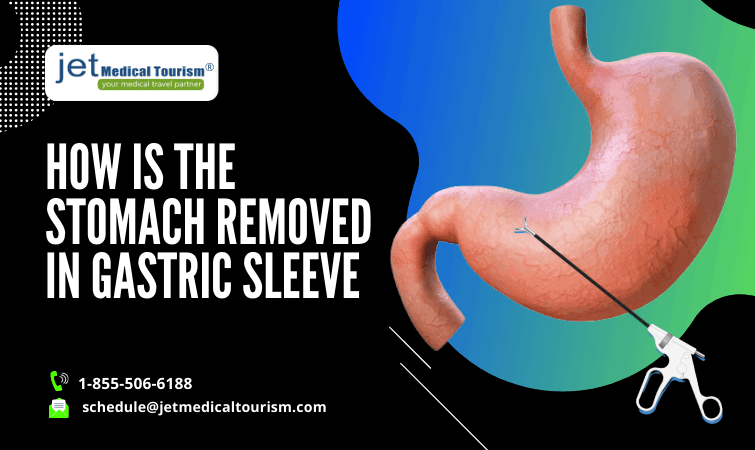
During a gastric sleeve surgery, the surgeon removes a large portion of the stomach, leaving behind a small, banana-shaped pouch. This smaller stomach restricts the amount of food that can be consumed, leading to reduced calorie intake and promoting weight loss. Unlike some other weight-loss surgeries, such as gastric bypass, the gastric sleeve does not involve rerouting the intestines.
Benefits of Gastric Sleeve Surgery
The gastric sleeve offers several benefits to individuals struggling with obesity:
- Rapid weight loss: Patients typically experience significant weight loss in the months following surgery.
- Improvement in obesity-related health conditions: Many patients see improvements in conditions such as type 2 diabetes, high blood pressure, and sleep apnea.
- Reduced hunger: The smaller stomach size can lead to decreased appetite and feelings of fullness with smaller portions.
Potential Risks and Considerations
While gastric sleeve surgery is generally considered safe and effective, it is important for patients to be aware of potential risks and considerations:
- Possible complications: Like any surgical procedure, there are risks associated with gastric sleeve surgery, including infection, blood clots, and leaks at the surgical site.
- Lifestyle changes: Successful long-term weight loss requires commitment to dietary changes, regular exercise, and ongoing medical follow-up.
- Nutritional deficiencies: Patients may need to take vitamin supplements to prevent deficiencies after surgery due to reduced food intake.
Is Gastric Sleeve Surgery Right for You?
Gastric sleeve surgery may be a suitable option for individuals with a body mass index (BMI) above a certain threshold or those who have not achieved significant weight loss through diet and exercise alone. It is essential to consult with a qualified healthcare provider to determine if this procedure is appropriate for your individual circumstances.
Overall, the gastric sleeve stomach offers a promising solution for individuals seeking sustainable weight loss and improved health outcomes. By understanding the procedure, benefits, risks, and considerations associated with gastric sleeve surgery, patients can make informed decisions about their weight-loss journey.
6 Essential Tips for a Successful Recovery After Gastric Sleeve Surgery
- Follow your surgeon’s post-operative instructions carefully.
- Eat small, frequent meals to aid in digestion and prevent discomfort.
- Stay hydrated by drinking plenty of water throughout the day.
- Incorporate regular physical activity into your routine to support weight loss and overall health.
- Monitor your progress and attend follow-up appointments with your healthcare provider.
- Seek support from a dietitian or counselor if needed to help adjust to dietary changes.
Follow your surgeon’s post-operative instructions carefully.
Following your surgeon’s post-operative instructions carefully is crucial for a successful recovery after gastric sleeve surgery. These instructions are designed to help you heal properly, minimize the risk of complications, and achieve optimal weight loss results. By adhering to guidelines regarding diet, activity levels, medications, and follow-up appointments, you can support your body’s healing process and set the foundation for long-term success with your gastric sleeve stomach. Remember that your surgeon’s guidance is tailored to your specific needs and plays a vital role in ensuring a smooth recovery and positive outcomes from the surgery.
Eat small, frequent meals to aid in digestion and prevent discomfort.
Eating small, frequent meals can be a beneficial strategy for individuals who have undergone gastric sleeve surgery. By consuming smaller portions more frequently throughout the day, patients can aid in digestion and prevent discomfort associated with larger meals. This approach allows the stomach to handle food more efficiently, reducing the risk of digestive issues and promoting better nutrient absorption. Additionally, eating smaller meals at regular intervals can help patients maintain steady energy levels and support their weight loss goals following gastric sleeve surgery.
Stay hydrated by drinking plenty of water throughout the day.
To support your health and aid in the success of your gastric sleeve surgery, it is crucial to stay hydrated by drinking plenty of water throughout the day. Adequate hydration not only helps maintain overall well-being but also assists in digestion and nutrient absorption after the procedure. By making a conscious effort to consume an ample amount of water daily, you can promote healing, prevent dehydration, and support your weight loss journey effectively. Remember that staying hydrated is essential for optimizing the benefits of your gastric sleeve stomach and ensuring a smooth recovery process.
Incorporate regular physical activity into your routine to support weight loss and overall health.
Incorporating regular physical activity into your routine is crucial for supporting weight loss and promoting overall health, especially after undergoing a gastric sleeve procedure. Engaging in physical exercise not only helps in burning calories and aiding in weight loss but also contributes to improving cardiovascular health, boosting metabolism, and enhancing overall well-being. By making exercise a consistent part of your daily routine, you can maximize the benefits of the gastric sleeve surgery and maintain a healthy lifestyle for long-term success.
Monitor your progress and attend follow-up appointments with your healthcare provider.
Monitoring your progress and attending follow-up appointments with your healthcare provider are crucial steps in ensuring the success and effectiveness of your gastric sleeve surgery. Regular check-ins allow your medical team to track your weight loss, assess any potential complications, and provide necessary guidance on diet, exercise, and overall health management. By staying proactive and engaged in your post-operative care, you can optimize the benefits of the gastric sleeve procedure and maintain long-term weight loss success.
Seek support from a dietitian or counselor if needed to help adjust to dietary changes.
Seeking support from a dietitian or counselor can be invaluable when adjusting to dietary changes after undergoing gastric sleeve surgery. These professionals can provide personalized guidance, meal planning assistance, and emotional support to help patients navigate the transition to a new eating regimen. By working closely with a dietitian or counselor, individuals can address any challenges, learn healthy eating habits, and ensure they are meeting their nutritional needs post-surgery. This collaborative approach can enhance the success of weight loss efforts and promote long-term health and well-being.