Exploring the Wonders of IVF: A Guide to Assisted Reproductive Technology
The Science and Process of In Vitro Fertilization (IVF)
In Vitro Fertilization (IVF) is a revolutionary assisted reproductive technology that has helped millions of couples worldwide fulfill their dream of having a child. IVF involves the fertilization of an egg with sperm outside the body in a laboratory setting, followed by the transfer of the resulting embryo into the uterus for implantation.
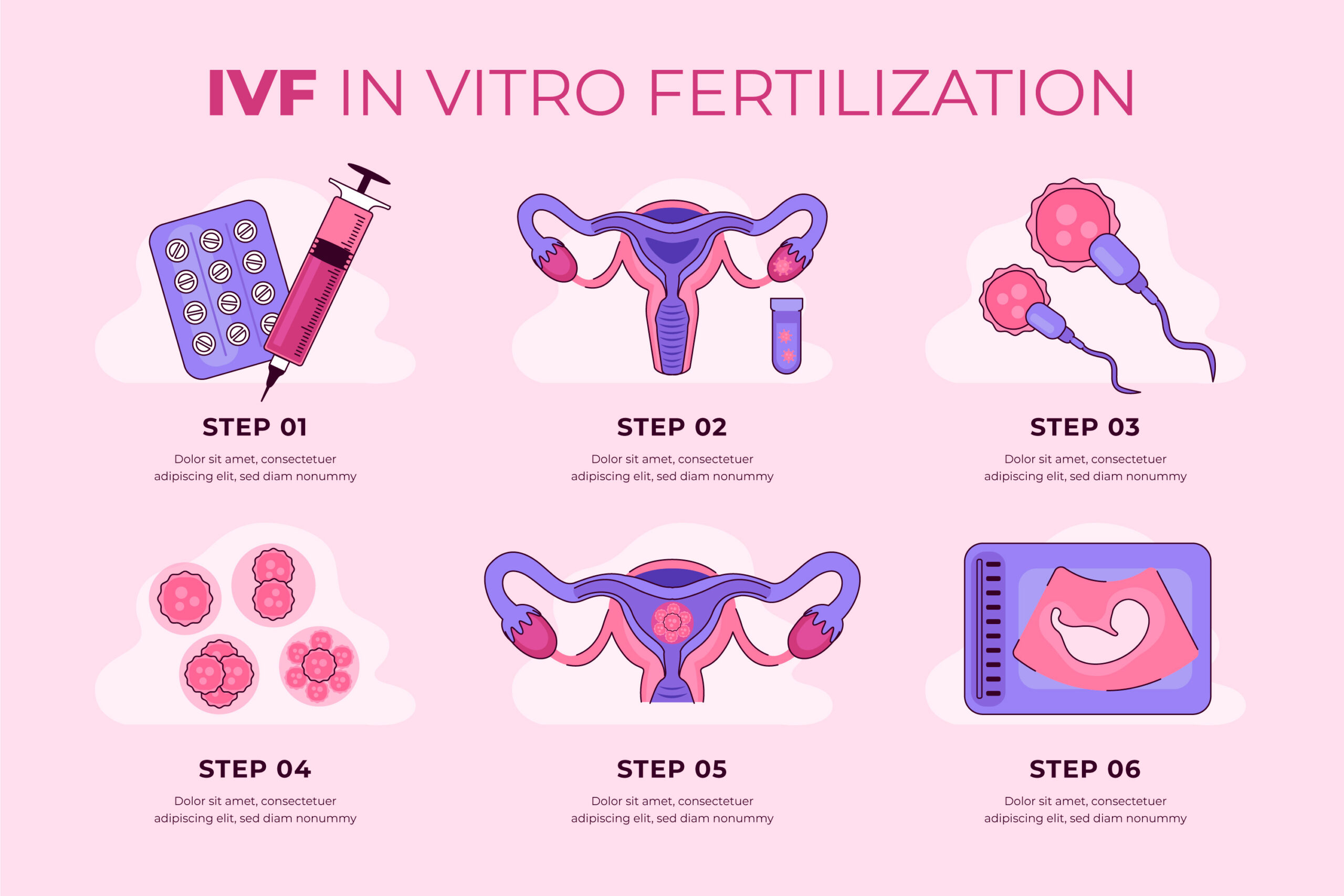
The IVF process typically begins with ovarian stimulation, where medications are administered to stimulate the ovaries to produce multiple eggs. These eggs are then retrieved through a minor surgical procedure known as egg retrieval. Meanwhile, sperm samples are collected from the male partner or a donor.
Next, in the laboratory, the retrieved eggs are combined with sperm in a controlled environment to facilitate fertilization. The resulting embryos are monitored for several days to assess their development before one or more healthy embryos are selected for transfer into the woman’s uterus.
After embryo transfer, patients undergo a waiting period before pregnancy tests can confirm whether implantation was successful. Additional embryos may be cryopreserved for future use if needed.
IVF has provided hope to couples facing infertility due to various reasons such as blocked fallopian tubes, male factor infertility, advanced maternal age, or unexplained infertility. It has also been instrumental in overcoming challenges related to genetic disorders or preserving fertility for individuals undergoing medical treatments that may impact their reproductive health.
While IVF success rates have significantly improved over the years due to advancements in technology and techniques, it is important to note that individual outcomes can vary based on factors such as age, underlying health conditions, and lifestyle choices.
Despite its complexities and emotional challenges, IVF remains a beacon of hope for many individuals and couples seeking to start or expand their families. With ongoing research and innovation in reproductive medicine, IVF continues to evolve, offering new possibilities and solutions for those on their journey towards parenthood.
Top 9 Frequently Asked Questions About In Vitro Fertilization (IVF)
- What is In Vitro Fertilization (IVF) and how does it work?
- Who is a suitable candidate for IVF treatment?
- What are the success rates of IVF procedures?
- What are the potential risks and side effects associated with IVF?
- How many cycles of IVF may be needed to achieve pregnancy?
- Are there any lifestyle changes or restrictions to follow during IVF treatment?
- What financial considerations should be taken into account when undergoing IVF?
- Can genetic testing be performed on embryos during the IVF process?
- What support services are available for individuals undergoing IVF?
What is In Vitro Fertilization (IVF) and how does it work?
In Vitro Fertilization (IVF) is an advanced fertility treatment that involves combining an egg with sperm outside the body in a laboratory setting. The process begins with ovarian stimulation to produce multiple eggs, which are then retrieved and fertilized with sperm. The resulting embryos are monitored for development before one or more healthy embryos are selected for transfer into the uterus. This procedure increases the chances of successful implantation and pregnancy for individuals or couples facing infertility challenges. IVF offers hope and a pathway to parenthood for those struggling to conceive naturally, providing a scientifically assisted method to achieve their dream of having a child.
Who is a suitable candidate for IVF treatment?
Determining the suitability of a candidate for IVF treatment involves a comprehensive evaluation by fertility specialists. Generally, individuals or couples facing challenges such as blocked fallopian tubes, endometriosis, ovulation disorders, male factor infertility, advanced maternal age, or unexplained infertility may be considered suitable candidates for IVF. Additionally, those seeking genetic screening or with a history of recurrent pregnancy loss may benefit from IVF. Factors like overall health, reproductive history, and lifestyle choices are also taken into account when assessing candidacy for IVF treatment. It is essential to consult with a fertility specialist to determine if IVF is the right option based on individual circumstances and goals.
What are the success rates of IVF procedures?
One frequently asked question regarding IVF procedures is about the success rates associated with them. Success rates of IVF procedures can vary depending on various factors, including the age of the woman, the underlying cause of infertility, the quality of embryos transferred, and the expertise of the medical team performing the procedure. Generally, younger women tend to have higher success rates compared to older women due to factors such as egg quality and reproductive health. It is important for individuals considering IVF to consult with their healthcare provider to understand how these factors may impact their chances of a successful outcome and to receive personalized guidance based on their unique circumstances.
What are the potential risks and side effects associated with IVF?
When considering In Vitro Fertilization (IVF), it is important to be aware of the potential risks and side effects associated with the procedure. Some common risks include ovarian hyperstimulation syndrome (OHSS), multiple pregnancies, ectopic pregnancy, and complications related to the egg retrieval process. Side effects may include bloating, cramping, mood swings, and reactions to fertility medications. It is essential for patients to discuss these risks and side effects with their healthcare provider before undergoing IVF to make informed decisions and ensure a safe and successful treatment journey.
How many cycles of IVF may be needed to achieve pregnancy?
The number of cycles of IVF needed to achieve pregnancy can vary significantly from person to person. While some individuals may achieve success after just one cycle, others may require multiple cycles to reach their desired outcome. Factors such as age, overall health, underlying fertility issues, and individual response to treatment can influence the number of IVF cycles needed. It is important for patients to consult with their healthcare provider to discuss their specific situation and develop a personalized treatment plan that maximizes the chances of success while considering factors like emotional readiness, financial considerations, and overall well-being throughout the process.
Are there any lifestyle changes or restrictions to follow during IVF treatment?
During IVF treatment, it is advisable for individuals to adopt certain lifestyle changes and adhere to specific restrictions to optimize the chances of a successful outcome. Health professionals often recommend maintaining a healthy diet rich in nutrients, regular exercise within moderation, avoiding alcohol consumption and smoking, managing stress levels effectively, and getting an adequate amount of sleep. Additionally, it is important to follow the prescribed medication regimen diligently, attend all scheduled appointments, and communicate openly with healthcare providers about any concerns or questions that may arise during the IVF process. By prioritizing self-care and making mindful choices, individuals undergoing IVF can support their overall well-being and enhance the likelihood of a positive treatment outcome.
What financial considerations should be taken into account when undergoing IVF?
When considering undergoing IVF, it is crucial to carefully assess the financial implications associated with the procedure. IVF treatment costs can vary significantly depending on factors such as the clinic location, specific services required, and any additional procedures or medications. Patients should inquire about the total cost of the IVF cycle, including consultation fees, diagnostic tests, medication expenses, and any potential additional services like genetic testing or egg freezing. It is advisable to check if insurance coverage includes any aspects of fertility treatment and explore alternative financing options such as payment plans or fertility grants. Understanding and planning for the financial aspects of IVF can help individuals and couples make informed decisions and alleviate some of the stress associated with the process.
Can genetic testing be performed on embryos during the IVF process?
During the IVF process, genetic testing can indeed be performed on embryos through a procedure known as preimplantation genetic testing (PGT). This advanced technique allows for the screening of embryos for genetic abnormalities before they are transferred into the uterus. PGT helps identify chromosomal abnormalities, genetic disorders, or specific gene mutations, enabling healthcare providers to select the healthiest embryos with the highest likelihood of successful implantation and development. By incorporating genetic testing into the IVF process, individuals and couples can make informed decisions regarding embryo selection, ultimately increasing the chances of a successful pregnancy and healthy baby.
What support services are available for individuals undergoing IVF?
Individuals undergoing IVF have access to a range of support services to help them navigate the emotional, physical, and logistical challenges associated with fertility treatment. Many fertility clinics offer counseling services to provide emotional support and guidance throughout the IVF process. Support groups and online forums are also available where individuals can connect with others going through similar experiences, share advice, and find a sense of community. Additionally, holistic services such as acupuncture, yoga, and mindfulness programs are often recommended to help reduce stress and improve overall well-being during the IVF journey. Overall, the availability of these support services aims to empower individuals undergoing IVF and provide them with a comprehensive network of care beyond medical treatment.