Unveiling the Intriguing World of Sperm: A Closer Look at the Microscopic Powerhouses of Reproduction
The Fascinating World of Sperm
Sperm, the microscopic powerhouse of human reproduction, plays a crucial role in creating new life. These tiny cells, produced in the male reproductive system, hold within them the genetic material necessary for fertilization.
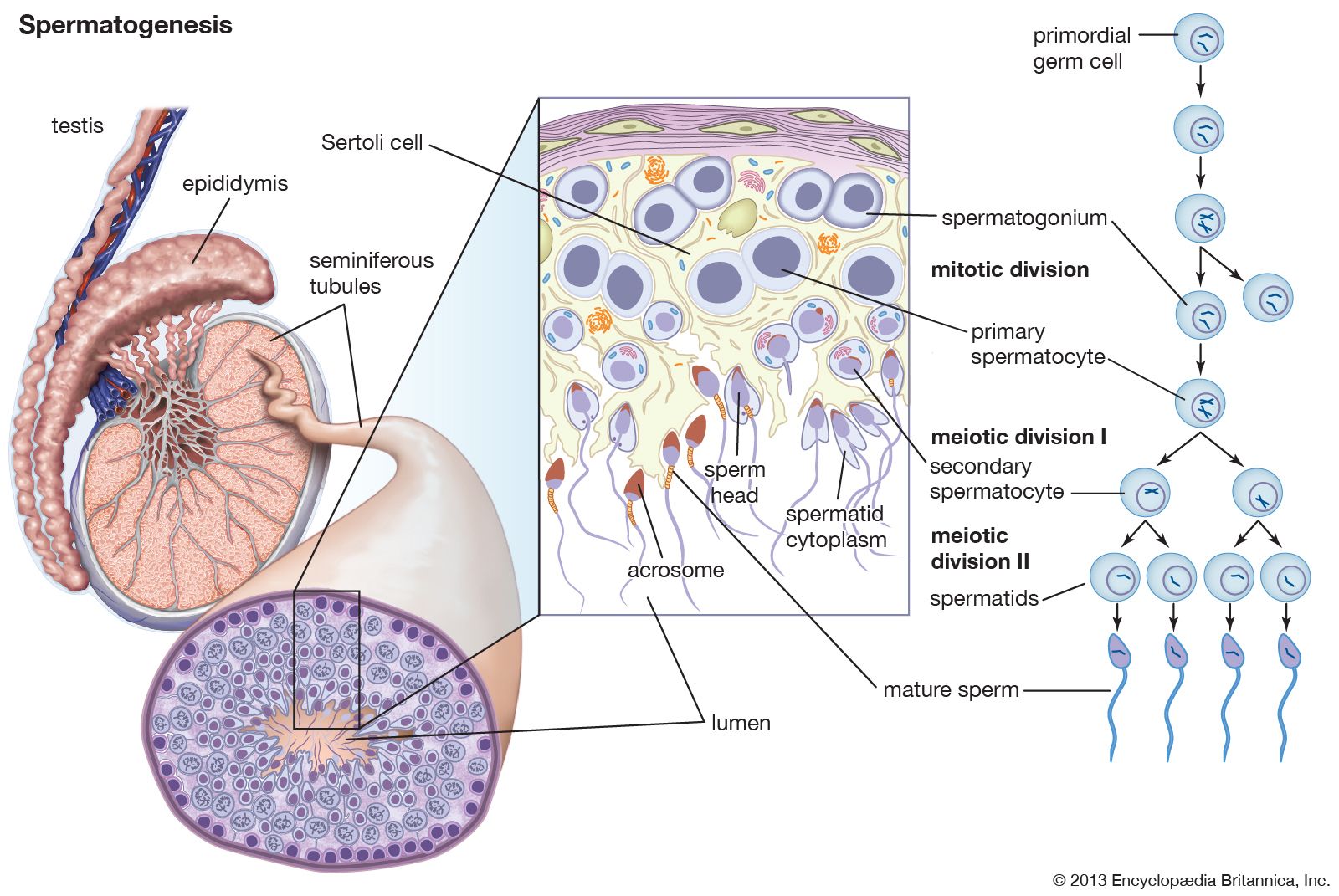
Each sperm cell is equipped with a head that contains the nucleus carrying genetic information, a midsection packed with mitochondria for energy production, and a tail that propels it forward towards the egg during fertilization.
Interestingly, sperm cells are constantly being produced in the testes through a process called spermatogenesis. This intricate process involves multiple stages of cell division and maturation to ensure the continuous production of healthy sperm.
When it comes to fertility and reproduction, the quality and quantity of sperm are crucial factors. Various factors such as lifestyle choices, environmental exposures, and underlying health conditions can impact sperm production and motility.
Understanding sperm health is essential for individuals and couples trying to conceive. Factors like maintaining a healthy diet, regular exercise, avoiding tobacco and excessive alcohol consumption, and managing stress can positively influence sperm quality.
Advancements in reproductive medicine have also opened up possibilities for individuals facing fertility challenges. Techniques like in vitro fertilization (IVF) and intracytoplasmic sperm injection (ICSI) offer hope to couples struggling with infertility due to male factor issues.
In conclusion, sperm cells may be small in size but their role in human reproduction is monumental. By understanding the importance of sperm health and taking proactive steps to maintain it, individuals can enhance their chances of achieving successful conception and starting a family.
8 Essential Tips for Boosting Sperm Health and Fertility
- Maintain a healthy diet and lifestyle to support sperm health.
- Avoid excessive alcohol consumption and smoking, as they can negatively impact sperm quality.
- Exercise regularly to help improve overall health, which can also benefit sperm production.
- Manage stress levels, as high stress can affect fertility in men.
- Avoid exposure to environmental toxins and chemicals that may harm sperm production.
- Wear loose-fitting underwear to prevent overheating of the testicles, which can affect sperm quality.
- Get regular check-ups with a healthcare provider to monitor reproductive health and address any concerns early on.
- Consider consulting with a fertility specialist if you are experiencing difficulties conceiving.
Maintain a healthy diet and lifestyle to support sperm health.
Maintaining a healthy diet and lifestyle is crucial for supporting optimal sperm health. A balanced diet rich in nutrients like vitamins C and E, zinc, and selenium can help improve sperm quality and motility. Regular exercise, adequate hydration, avoiding smoking, limiting alcohol intake, and managing stress are also important factors in promoting healthy sperm production. By adopting these healthy habits, individuals can positively impact their fertility potential and increase the chances of successful conception.
Avoid excessive alcohol consumption and smoking, as they can negatively impact sperm quality.
It is essential to avoid excessive alcohol consumption and smoking, as these habits can have detrimental effects on sperm quality. Research has shown that alcohol and tobacco use can impair sperm production, motility, and morphology, leading to reduced fertility potential. By making healthy lifestyle choices and abstaining from harmful substances, individuals can protect and improve their sperm health, increasing their chances of successful conception.
Exercise regularly to help improve overall health, which can also benefit sperm production.
Regular exercise is not only beneficial for overall health but can also have a positive impact on sperm production. Engaging in physical activity helps improve blood circulation, maintain a healthy weight, and reduce stress levels, all of which are important factors for optimal sperm health. By incorporating regular exercise into your routine, you not only enhance your general well-being but also support the healthy production of sperm, increasing the chances of successful conception.
Manage stress levels, as high stress can affect fertility in men.
Managing stress levels is crucial for maintaining optimal fertility in men. High levels of stress can have a negative impact on sperm production and quality, potentially leading to fertility issues. Chronic stress can disrupt hormonal balance, affecting the delicate process of spermatogenesis. By implementing stress-reducing strategies such as exercise, meditation, mindfulness practices, or seeking professional support, men can help safeguard their reproductive health and improve their chances of conception.
Avoid exposure to environmental toxins and chemicals that may harm sperm production.
It is crucial to avoid exposure to environmental toxins and chemicals that can potentially harm sperm production. Certain substances found in pesticides, plastics, and industrial pollutants have been linked to negative effects on sperm quality and quantity. By minimizing exposure to these harmful compounds, individuals can safeguard their reproductive health and improve their chances of achieving successful conception. Prioritizing a clean and toxin-free environment can play a significant role in supporting optimal sperm production and overall fertility.
Wear loose-fitting underwear to prevent overheating of the testicles, which can affect sperm quality.
Wearing loose-fitting underwear is a simple yet effective tip to help maintain optimal sperm quality. By allowing ample airflow and reducing the risk of overheating the testicles, this practice can safeguard the health and viability of sperm cells. Overheating of the testicles has been linked to decreased sperm production and motility, highlighting the importance of choosing comfortable undergarments that promote a cooler environment for the reproductive organs. Making this small adjustment in clothing choice can potentially have a significant impact on male fertility and overall reproductive health.
Get regular check-ups with a healthcare provider to monitor reproductive health and address any concerns early on.
It is essential to prioritize reproductive health by scheduling regular check-ups with a healthcare provider. By monitoring sperm health through routine examinations, any potential issues can be identified and addressed early on. Early intervention can help prevent or manage reproductive health concerns effectively, ensuring optimal fertility and overall well-being. Regular check-ups provide an opportunity to discuss any questions or concerns related to sperm health, enabling individuals to take proactive steps towards maintaining their reproductive wellness.
Consider consulting with a fertility specialist if you are experiencing difficulties conceiving.
If you are facing challenges in conceiving, it may be beneficial to seek guidance from a fertility specialist. Consulting with a fertility expert can provide valuable insights into the underlying factors affecting your ability to conceive and help you explore potential solutions. Fertility specialists have the knowledge and expertise to conduct thorough evaluations, recommend appropriate tests, and offer personalized treatment options tailored to your specific needs. By taking this proactive step, you can gain a better understanding of your reproductive health and increase your chances of achieving a successful pregnancy.