Navigating Indian Healthcare: A Comprehensive Guide
Indian Healthcare: A Comprehensive Overview
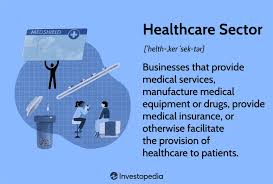
India’s healthcare sector is a complex landscape that reflects the country’s diverse population, economic disparities, and unique healthcare challenges. With a mix of traditional healing practices and modern medical facilities, India offers a wide range of healthcare options to its citizens.
Key Features of Indian Healthcare System:
- Diversity: India’s healthcare system encompasses public and private providers, traditional medicine, and modern hospitals.
- Affordability: While private healthcare can be expensive, public healthcare services are available at nominal costs or for free in government-run facilities.
- Traditional Medicine: Ayurveda, yoga, and other traditional healing practices play a significant role in Indian healthcare alongside modern medicine.
- Medical Tourism: India has emerged as a popular destination for medical tourists seeking high-quality treatments at affordable prices.
Challenges Facing Indian Healthcare:
Despite its strengths, the Indian healthcare system faces several challenges:
- Infrastructure Gaps: Rural areas often lack adequate medical facilities and trained healthcare professionals.
- Health Inequalities: Disparities in access to quality care exist between urban and rural populations as well as different socio-economic groups.
- Disease Burden: India grapples with high rates of infectious diseases, non-communicable diseases, and maternal & child health issues.
The Future of Indian Healthcare:
To address these challenges, the Indian government has launched various initiatives to improve healthcare accessibility and quality. Programs such as Ayushman Bharat aim to provide health insurance coverage to millions of vulnerable families. Additionally, investments in telemedicine and digital health technologies are transforming the delivery of care in remote areas.
In conclusion, Indian healthcare is a dynamic sector that continues to evolve to meet the needs of its diverse population. By leveraging its rich heritage of traditional medicine and embracing innovations in modern healthcare delivery, India is poised to make significant strides towards achieving universal health coverage for all its citizens.
9 Essential Tips for Navigating Healthcare in India
- 1. Familiarize yourself with the local healthcare system and services available in India.
- 2. Carry sufficient travel health insurance that covers medical expenses in India.
- 3. Stay hydrated and only drink bottled or boiled water to prevent waterborne illnesses.
- 4. Be cautious about food hygiene and opt for freshly cooked meals from reputable establishments.
- 5. Pack necessary medications, including prescription drugs, as they may not be readily available in all areas.
- 6. Protect yourself from mosquito-borne diseases by using insect repellent and wearing long sleeves/pants.
- 7. Seek medical advice before traveling to remote or rural areas where access to healthcare may be limited.
- 8. Be aware of air pollution levels in major cities and take precautions if you have respiratory issues.
- 9. In case of a medical emergency, dial 108 (emergency services) or seek assistance from your embassy.
1. Familiarize yourself with the local healthcare system and services available in India.
It is essential to familiarize yourself with the local healthcare system and services available in India when seeking medical care in the country. Understanding how the Indian healthcare system operates, including public and private providers, traditional healing practices, and modern medical facilities, can help you make informed decisions about your health needs. By being aware of the resources and options available, you can navigate the healthcare landscape more effectively and access appropriate care tailored to your requirements.
2. Carry sufficient travel health insurance that covers medical expenses in India.
When traveling to India, it is essential to prioritize your health and well-being by carrying sufficient travel health insurance that covers medical expenses in the country. Having comprehensive insurance ensures that you are financially protected in case of unexpected medical emergencies or illnesses during your stay in India. By investing in travel health insurance, you can have peace of mind knowing that you have access to quality healthcare services without worrying about the associated costs, allowing you to focus on enjoying your trip with confidence and security.
3. Stay hydrated and only drink bottled or boiled water to prevent waterborne illnesses.
To safeguard your health while in India, it is crucial to prioritize hydration by consuming bottled or boiled water exclusively. This simple yet essential tip can significantly reduce the risk of contracting waterborne illnesses during your stay. By ensuring that the water you drink is safe and free from harmful pathogens, you can enjoy your time in India with peace of mind and focus on experiencing the rich culture and diverse attractions that the country has to offer.
4. Be cautious about food hygiene and opt for freshly cooked meals from reputable establishments.
When navigating the Indian healthcare landscape, it is essential to prioritize food hygiene for your well-being. Tip number 4 advises being cautious about food safety and opting for freshly cooked meals from reputable establishments. By choosing to dine at trusted eateries that prepare meals with care and cleanliness, you can reduce the risk of foodborne illnesses and ensure a healthier dining experience during your time in India.
5. Pack necessary medications, including prescription drugs, as they may not be readily available in all areas.
When traveling in India, it is essential to pack necessary medications, including prescription drugs, as they may not be readily available in all areas. Access to specific medications can vary across different regions of India, especially in more remote or rural areas. By ensuring you have an ample supply of your prescribed medications on hand, you can avoid any potential disruptions to your treatment plan and ensure continuity of care while exploring the diverse landscapes and cultural treasures of India.
6. Protect yourself from mosquito-borne diseases by using insect repellent and wearing long sleeves/pants.
In the realm of Indian healthcare, safeguarding oneself against mosquito-borne diseases is paramount. Tip number 6 emphasizes the importance of protection through the use of insect repellent and wearing long sleeves and pants. By adopting these preventive measures, individuals can significantly reduce their risk of contracting illnesses such as dengue fever, malaria, and chikungunya that are prevalent in certain regions of India. Proactively defending against mosquito bites not only promotes personal health but also contributes to the overall well-being of communities by minimizing the spread of these potentially dangerous diseases.
7. Seek medical advice before traveling to remote or rural areas where access to healthcare may be limited.
It is advisable to seek medical advice before embarking on a journey to remote or rural areas in India where access to healthcare facilities may be limited. Consulting with a healthcare professional can help ensure that you are adequately prepared for any potential health risks or emergencies that may arise during your travels. By taking proactive steps and receiving guidance on preventive measures, you can better safeguard your health and well-being while exploring off-the-beaten-path destinations in India.
8. Be aware of air pollution levels in major cities and take precautions if you have respiratory issues.
It is crucial to stay informed about air pollution levels in major cities in India and take necessary precautions, especially if you have respiratory issues. With increasing urbanization and industrial activities, air quality can vary significantly across different regions. Monitoring pollution levels and following recommended safety measures, such as using masks or avoiding outdoor activities during peak pollution times, can help protect individuals with respiratory conditions from potential health risks associated with poor air quality.
9. In case of a medical emergency, dial 108 (emergency services) or seek assistance from your embassy.
In the event of a medical emergency in India, it is crucial to act swiftly and decisively. By dialing 108, the emergency services hotline, immediate assistance can be summoned to address the urgent medical situation. Additionally, seeking support from your embassy can provide valuable guidance and assistance in navigating the local healthcare system. Prompt action and reaching out to the appropriate authorities ensure that necessary help is received promptly during times of crisis.